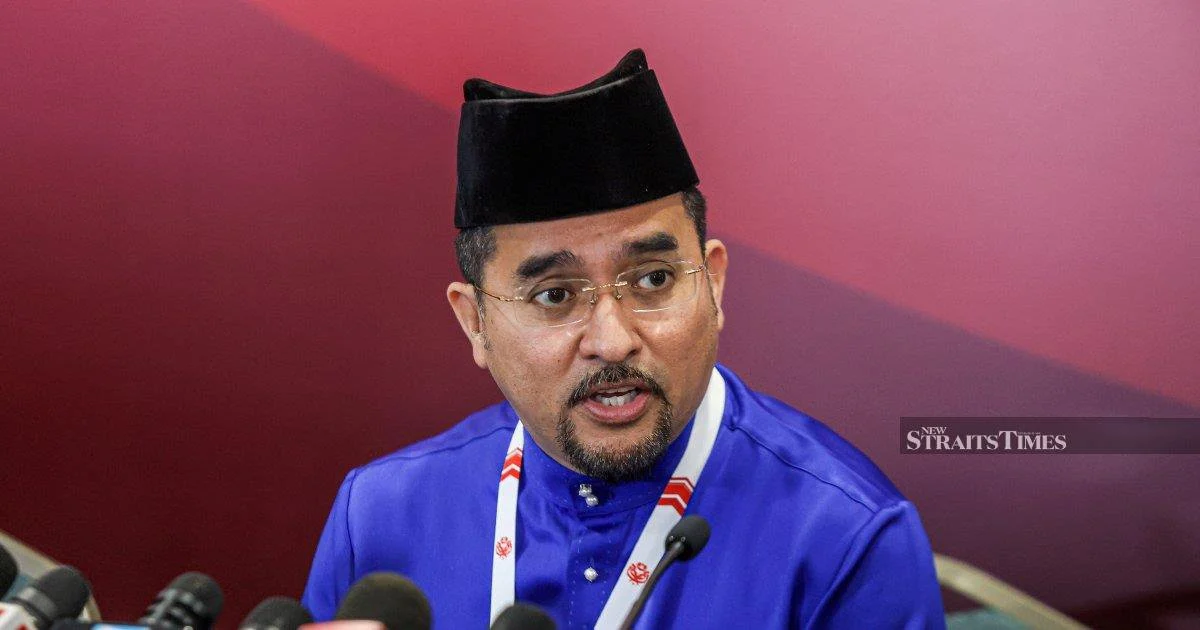
The Barisan Nasional coalition's delayed announcement of candidates contesting in the Johor state election stemmed from an exhaustive vetting procedure, according to Umno secretary-general Datuk Dr Asyraf Wajdi Dusuki, who defended the lengthy selection process as necessary for identifying suitable contenders.
The rigorous screening mechanism represented a deliberate decision by the coalition leadership to ensure candidates met exacting standards before their names were made public. Rather than rushing to unveil a slate of representatives, BN opted for a measured approach that prioritised quality assessment over speed, a strategy that carries implications for how the coalition presents itself to voters.
For Malaysian observers, the emphasis on stringent vetting reflects ongoing efforts by BN to rebuild its credibility following the 2018 electoral setback that saw the coalition lose federal power. By highlighting the thoroughness of its selection process, the coalition seeks to project an image of discipline and accountability—qualities that resonate with voters concerned about governance standards and ethical conduct among elected representatives.
The Johor election holds particular significance within the Malaysian political landscape, as the state represents a stronghold of Umno and traditional BN support. Any perception of haphazard candidate selection could undermine the coalition's positioning in a state where it has historically dominated. The decision to invest time in vetting therefore carries strategic weight beyond the immediate election cycle.
Johor's political importance extends beyond state-level considerations, influencing the trajectory of national politics. As home to multiple marginal parliamentary constituencies and a substantial voting bloc, electoral outcomes in the state frequently foreshadow broader trends in Malaysian politics. The care taken in candidate selection suggests BN's awareness of how a strong Johor performance could strengthen its hand in future federal contests.
The vetting process likely encompassed multiple dimensions, including evaluation of candidates' track records in public service, financial integrity, community standing, and alignment with party ideology. Such comprehensive assessment demands considerable time and administrative resources, explaining why announcement schedules slipped from initial timelines. The mechanism serves as a counterweight to purely political calculations or patronage considerations that have historically marred candidate selection in Malaysian politics.
For Southeast Asian context, Malaysia's major political coalitions operate under scrutiny regarding their internal democratic processes. BN's emphasis on structured vetting demonstrates an attempt to align with contemporary expectations around candidate quality and representation, even as critics might question whether the process truly eliminates cronyism or primarily creates an appearance of diligence.
The delayed announcement also reflects the complexity of balancing competing interests within BN's multi-ethnic, multi-party structure. The coalition encompasses Umno alongside component parties representing various communities, each with claims to certain constituencies and positions. Negotiating these internal dynamics while maintaining overall coherence requires considerable time, a factor that Datuk Dr Asyraf Wajdi Dusuki's explanation partially addresses.
Political analysts note that transparency regarding selection criteria remains limited in Malaysian electoral contexts. While BN's explanation focuses on vetting stringency, voters rarely receive detailed information about which candidates were rejected and why. This opacity permits the coalition to claim rigor while avoiding public accountability for decisions that may reflect political expediency dressed in neutral language.
The timing of the announcement delay also intersected with broader state-level political developments and considerations about state-federal dynamics. BN's leadership had to weigh regional party strength, factional balance, and potential cross-over risks when finalising candidate lists, all elements demanding extended deliberation beyond simple qualification assessment.
Moving forward, the quality of candidates ultimately selected will determine whether the extended vetting process yields tangible benefits for BN's electoral prospects in Johor. Voter reception of the candidate slate will serve as a practical test of whether the coalition's emphasis on stringent screening translated into substantively better representation options or merely represented standard political messaging.
The episode underscores broader patterns in contemporary Malaysian politics, where major coalitions simultaneously emphasise institutional reform and meritocracy while operating within systems where personal networks and patronage networks remain influential. BN's framing of the candidate announcement delay through the lens of careful vetting reflects an ongoing negotiation between traditional political practices and modernising rhetoric about governance standards.