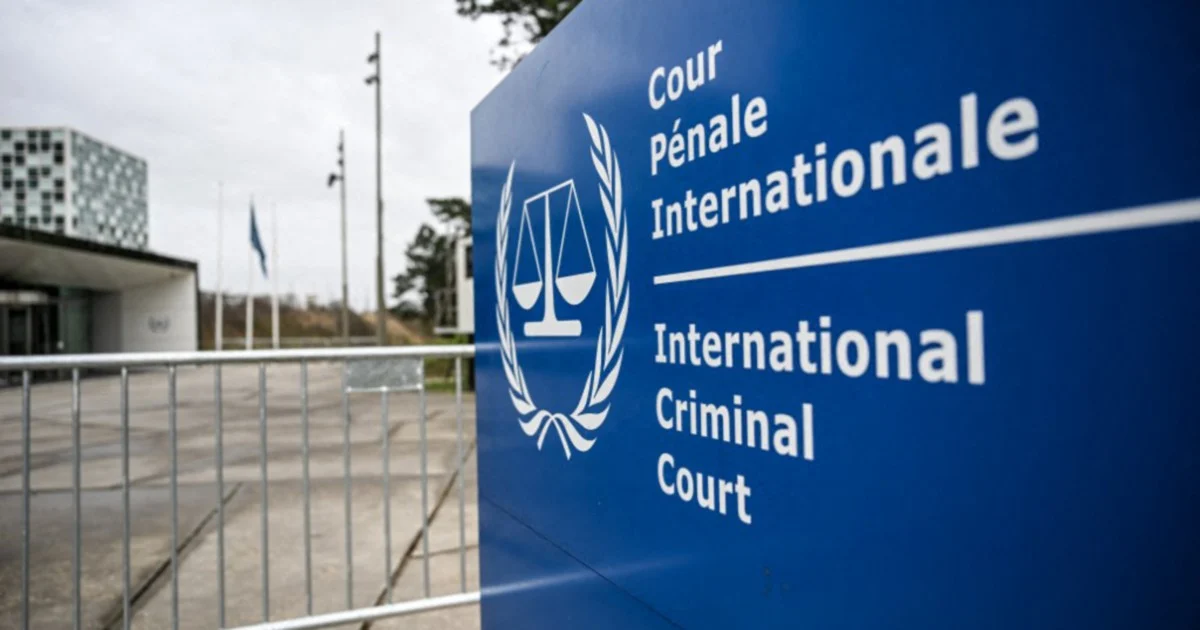
Two United States-based advocacy organisations have initiated legal action against the Trump administration, challenging the constitutionality of sanctions directed at the International Criminal Court. The lawsuit, filed on Wednesday, centres on the argument that these measures fundamentally breach First Amendment protections guaranteeing freedom of speech and assembly. The legal challenge arrives as American officials have intensified a coordinated diplomatic campaign aimed at undermining the institution's operations and influence.
The ICC, established in 2002 and headquartered in The Hague, represents a significant institutional development in international justice. Malaysia's relationship with the court has historically been complex, with the country maintaining its distance from the institution despite its role in addressing alleged war crimes and crimes against humanity across multiple continents. For Southeast Asian observers, the Trump administration's stance signals a broader shift in how major powers interact with multilateral judicial mechanisms that fall outside their direct control.
The crux of the advocacy groups' case rests on distinguishing between legitimate governmental regulatory authority and measures that impermissibly restrict the expression and advocacy activities of American citizens. Their legal argument suggests that sanctioning the ICC creates practical barriers preventing American lawyers, researchers, journalists, and civil society representatives from engaging with the institution's proceedings and supporting its mandate. This distinction carries particular weight given the constitutional tradition protecting Americans' rights to associate with international organisations and advocate for specific policy positions.
The Trump administration's diplomatic campaign against the ICC reflects longstanding American scepticism toward international bodies perceived as constraining national sovereignty. This approach is not unprecedented; previous administrations have also expressed concerns about the court's independence and decision-making processes. However, the current intensity and directedness of the effort to actively dismantle or severely restrict the institution represents a notable escalation in rhetorical and substantive hostility.
For Southeast Asia, this development carries significant implications. Countries in the region maintain varying relationships with international justice mechanisms. Thailand, for instance, has faced scrutiny over alleged human rights violations, while Myanmar's military actions have drawn international attention. The weakening of the ICC through American pressure could reshape how regional governments calculate the costs and benefits of international accountability mechanisms, potentially emboldening those resistant to external judicial review.
The lawsuit introduces a domestic constraint on executive foreign policy that transcends typical diplomatic channels. Constitutional litigation forces the Trump administration to articulate and defend its actions before American courts, creating public records and judicial reasoning that will likely influence broader debates about presidential authority over foreign relations. The outcome will establish important precedent regarding where constitutional protections end and executive discretion over international affairs begins.
Advocacy organisations filing such suits typically argue that sanctions regimes can function as de facto restrictions on Americans' ability to petition and organise. They point to practical consequences: individuals hesitant to associate with sanctioned entities, financial institutions avoiding transactions with ICC personnel and operations, and a chilling effect on American participation in international judicial processes. The legal theory essentially extends First Amendment protections beyond domestic speech into the realm of transnational advocacy and institutional engagement.
The Trump administration, conversely, would likely argue that sanctions represent legitimate tools of foreign policy that do not directly restrict any American's ability to speak, write, or advocate for positions. From this perspective, the measures target an international institution and its officials rather than American citizens engaging in protected expression. This line of reasoning emphasises the traditional separation of powers principle granting presidents substantial authority over foreign affairs without detailed congressional or judicial micromanagement.
The timing of this litigation reflects broader tensions within American governance over the ICC's legitimacy and utility. The court has issued arrest warrants for individuals from various nations, including allies of the United States, generating domestic political pressure to constrain its authority. Within this context, the advocacy groups' assertion that sanctions violate constitutional protections becomes part of a larger struggle over America's relationship with international justice institutions and the scope of presidential power in pursuing foreign policy objectives.
For Southeast Asian legal scholars and policymakers, this case demonstrates how constitutional law intersects with international relations. The outcome will signal whether American courts are willing to apply traditional constitutional protections to constrain executive conduct affecting international institutions. Should courts side with the advocacy groups, it would establish that even substantial foreign policy concerns cannot completely override individual rights to associate with and support international bodies. If the government prevails, it confirms that presidential authority over foreign relations remains largely insulated from constitutional challenge.
The broader significance extends to how international institutions themselves function when major powers actively oppose them. The ICC's effectiveness depends partly on cooperation from powerful nations and the willingness of their citizens to engage with its processes. American sanctions and diplomatic pressure create structural obstacles to such cooperation, potentially affecting the court's ability to investigate and prosecute cases involving multiple jurisdictions and parties. This dynamic becomes particularly relevant for Southeast Asian nations considering their own positions relative to international accountability mechanisms.
As the litigation proceeds through the American court system, it will generate extensive written arguments, testimony, and judicial reasoning accessible to international observers. This public dimension transforms what might otherwise remain an internal American policy dispute into a documented examination of how democracies balance constitutional protections with foreign policy objectives. Malaysian media consumers and policymakers should monitor this case for insights into how constitutional frameworks interact with international engagement—a tension increasingly relevant as regional nations navigate complex relationships with global institutions and powerful external actors pursuing divergent agendas.

