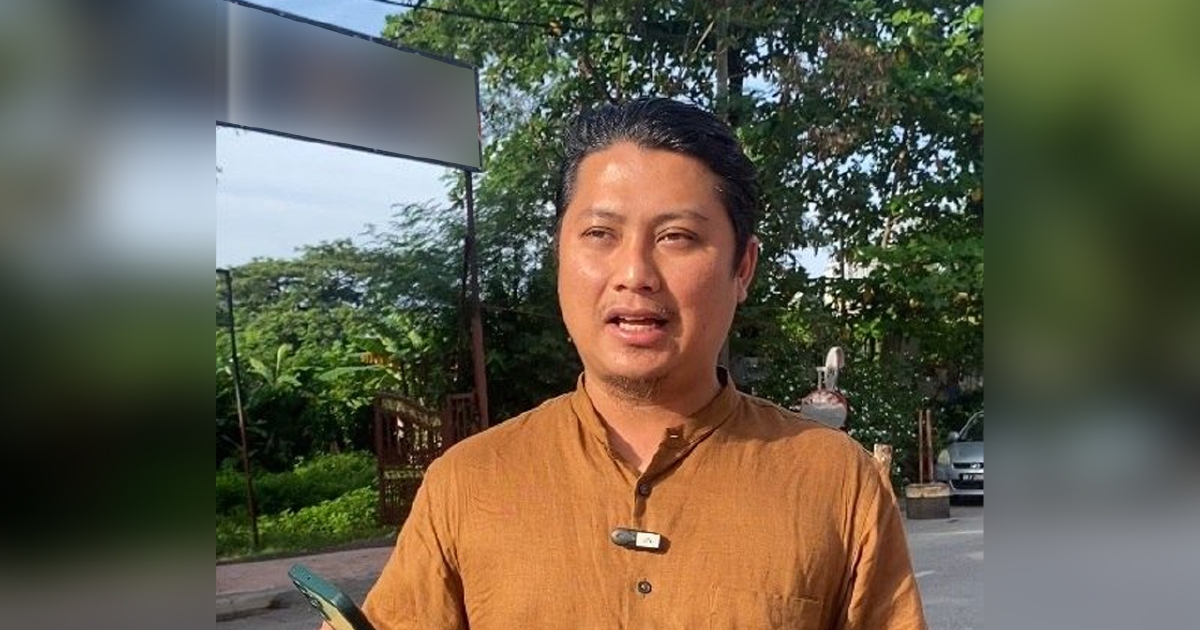
Activist Tamim Dahri Abdul Razak is expected to appear before magistrates in Langkawi tomorrow to face charges related to conduct allegedly intended to demean another religious faith. The case represents a fresh legal complication for the activist, who had previously been the subject of a separate Facebook threat investigation that prompted concerns about his safety and whereabouts.
The circumstances surrounding Dahri's return to Malaysia remain unclear at this stage. Reports had earlier suggested the activist had departed the country in response to threatening messages circulated on social media, which had raised questions about the adequacy of law enforcement protection and digital security risks faced by public figures engaged in activism. His reappearance for the court proceedings signals either that those safety concerns have been resolved or that he has chosen to address the pending legal matters directly.
The Langkawi magistrate's court proceeding will mark the formal initiation of what appears to be a serious investigation into Dahri's conduct. Religious sensitivity remains a carefully calibrated issue throughout Malaysia's legal and social landscape, with laws governing speech and conduct that touches on matters of faith applied with considerable rigour. The specific nature of the alleged violation has not been detailed, though the framing of the charge suggests actions that authorities have determined crossed established legal boundaries regarding respect for religious beliefs.
Dahri's situation reflects broader tensions within Malaysian society regarding the boundaries of activist expression and religious respect. Activists operating within the Malaysian context must navigate an intricate legal environment where advocacy on social and political matters frequently intersects with sensitive questions of religious identity and community harmony. The activist community has grown increasingly vocal on issues ranging from governance to social justice, yet cases such as this demonstrate the persistent legal risks associated with public engagement on certain topics.
The investigation process leading to this charge stage has likely consumed considerable time and resources from law enforcement authorities in Kedah. The transition from investigation to formal charging typically indicates that prosecutors have assembled sufficient evidence to proceed with court proceedings, suggesting a deliberate accumulation of material rather than a hastily constructed case. The specific allegations will become clearer once court documents are made available and the proceedings commence.
For observers monitoring civil liberties and freedom of expression in Southeast Asia, such cases carry significance beyond the immediate circumstances. Malaysia's approach to regulating speech on religious matters—whether through the Penal Code, the Communications and Multimedia Act, or state-level religious enactments—continues to shape the practical contours of public discourse in the country. Courts handling these matters must balance the legitimate protection of religious sensitivities against broader principles of open discourse in a democratic society.
The timing of the charge against Dahri may be notable for those tracking patterns in enforcement of religious and sensitive speech provisions. The interval between initial investigation and formal charges can indicate variations in prosecutorial priority or shifts in enforcement strategies. Whether this case represents an isolated incident or part of a broader pattern of similar prosecutions remains to be determined through legal analysis and judicial observation.
Langkawi, as both a tourist destination and a state jurisdiction within Kedah, has occasionally featured in high-profile legal proceedings. The magistrate's court's handling of this matter will be observed by legal professionals and civil society organisations with interest in how Malaysian courts interpret and apply laws touching on religious sensitivities. The court's reasoning and any sentencing guidance provided may influence future cases involving comparable allegations.
The broader implications for activists and public figures in Malaysia warrant consideration as well. Cases of this nature inevitably have a chilling effect on public discourse, prompting individuals to self-censor or withdraw from engagement with contentious topics. Whether such effects represent an appropriate safeguard for social harmony or an undue constraint on the marketplace of ideas remains contested among Malaysian legal scholars, journalists, and civil society advocates.
Dahri's legal defence strategy and the arguments presented in court will likely receive attention from observers interested in how Malaysian courts articulate the boundaries between protected expression and legally prohibited conduct. The outcome of the Langkawi proceedings may establish or reinforce precedent relevant to future cases of comparable nature, potentially affecting how similar investigations are conducted and prosecuted elsewhere in the country.

