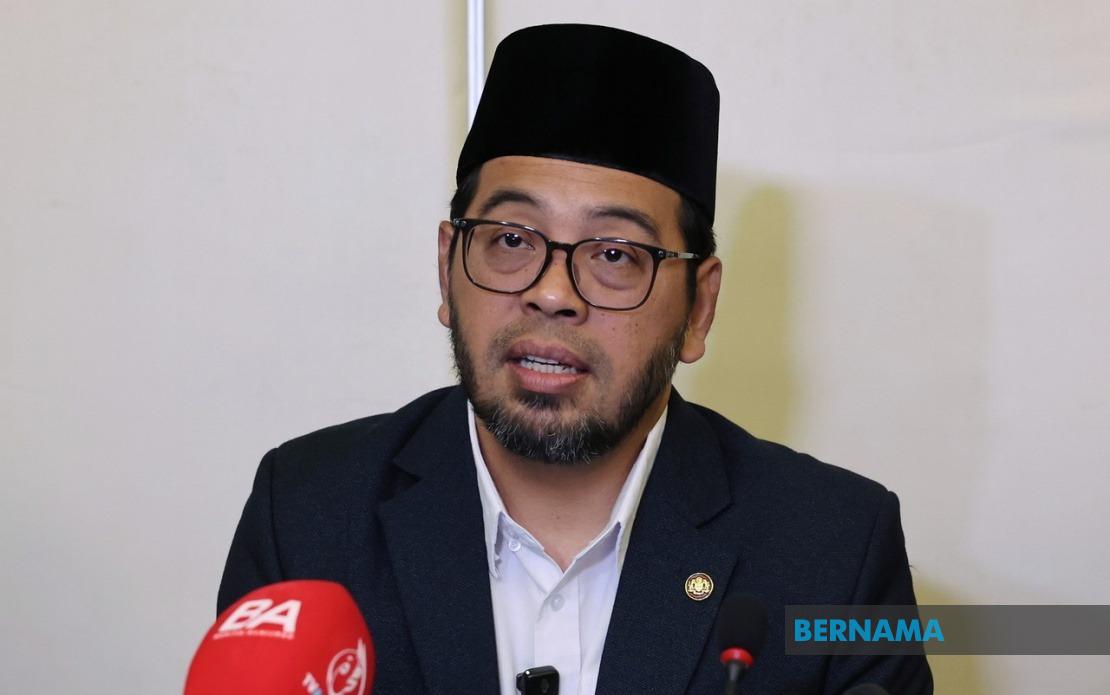
Parliament will convene in special sitting tomorrow to scrutinise the highly anticipated Royal Commission of Inquiry report into Lembaga Tabung Haji's management and operational practices during the six-year period spanning 2014 to 2020. Minister in the Prime Minister's Department (Religious Affairs) Dr Zulkifli Hasan will lead the ministerial briefing, marking a pivotal moment in what has become one of Malaysia's most significant institutional accountability exercises affecting the country's Muslim pilgrimage fund.
The 211-page inquiry report, made available to the public on July 29 following government approval for full disclosure, will form the centrepiece of parliamentary debate scheduled to commence at 10 am. This transparency represents a notable shift in how the government handles sensitive institutional investigations, particularly those touching on religious affairs and public finance management. The decision to release findings publicly before parliamentary discussion underscores the administration's commitment to accountability mechanisms, though observers note this also intensifies scrutiny of any recommendations or remedial actions that may follow.
Dr Zulkifli will be joined by Finance Minister II Datuk Seri Amir Hamzah Azizan in overseeing parliamentary proceedings, with both ministers slated to participate in winding up the subsequent debate. This dual ministerial involvement reflects the investigation's cross-portfolio implications, spanning religious institutional governance and broader fiscal stewardship. The pairing of ministerial voices suggests coordination between the Prime Minister's Department and the Finance Ministry in presenting government responses to whatever findings and recommendations the RCI has articulated.
In a short video address to media, Dr Zulkifli disclosed that the Cabinet has already signalled its intention to pursue action against individuals and possibly entities identified as culpable in the RCI's investigation. This preemptive statement signals governmental resolve to address accountability gaps, though it simultaneously raises questions about whether such declarations prejudge conclusions that parliamentarians are being asked to independently assess. The framing suggests government expects to implement consequences, subject to what Parliament's examination reveals.
The magnitude of parliamentary interest in the inquiry findings has proven substantial. Communications Minister Datuk Seri Fahmi Fadzil previously indicated that at least 40 MPs have signalled their intention to participate in the parliamentary debate. This level of engagement reflects broad concerns across the political spectrum regarding Tabung Haji's governance, management integrity, and stewardship of funds entrusted by millions of Malaysian Muslims preparing for pilgrimage. The breadth of participation also suggests this extends beyond typical partisan divides, touching on matters of institutional trust and religious responsibility.
Tabung Haji occupies a singular position within Malaysia's institutional landscape. As the primary savings and pilgrimage finance vehicle for Muslim Malaysians, it manages substantial public trust and religious significance. Inquiries into its operations carry implications far beyond conventional corporate governance, touching on community confidence in religious institutions and the state's capacity to protect assets designated for sacred purposes. The RCI's six-year investigation window covers a period of considerable economic and political change in Malaysia, including the transition between federal administrations.
The decision to conduct and publicly release such an inquiry reflects contemporary Malaysian governance trends emphasizing transparency and accountability. Yet the RCI process itself has drawn commentary regarding timeliness, with the six-year investigation period extending well beyond initial institutional concerns. Parliamentary debate tomorrow will likely probe not only what the inquiry discovered but also what remedial actions the government intends implementing and whether current management practices have already evolved in response to preliminary findings that presumably emerged during the RCI's investigation.
For Malaysian Muslims, particularly those actively engaged with Tabung Haji's services, the report carries direct relevance to their financial security and pilgrimage planning. Any findings regarding mismanagement, irregularities, or governance failures would influence public confidence in the institution's ability to safeguard accumulated funds. The parliamentary briefing thus transcends routine institutional accountability, touching on matters of personal financial security and religious observance for millions of contributors.
Regionally, Malaysia's handling of the Tabung Haji inquiry may carry broader significance for other Southeast Asian Muslim-majority nations managing similar pilgrimage and savings mechanisms. The transparency approach and parliamentary engagement model could establish precedents for institutional accountability within the Islamic finance and religious institution management spheres. How Malaysian parliament addresses the findings may influence governance practices across the region.
The special sitting represents an opportunity for substantive legislative scrutiny of executive institutional management. With opposition and government MPs presumably both participating, the debate will likely encompass diverse perspectives on governance adequacy, accountability mechanisms, and forward-looking institutional reforms. Parliament's conclusions and any recommendations will shape public understanding of what occurred within Tabung Haji and what safeguards exist to prevent recurrence.
Looking ahead, the parliamentary discussion tomorrow will be only the initial phase of potential accountability processes. Cabinet's preliminary indication regarding disciplinary action suggests additional administrative, potentially judicial, and possibly criminal proceedings may follow, depending on RCI findings. The sequence of public parliamentary debate preceding any enforcement actions allows democratic institutions to process and contextualize institutional failures before individual accountability is pursued.

