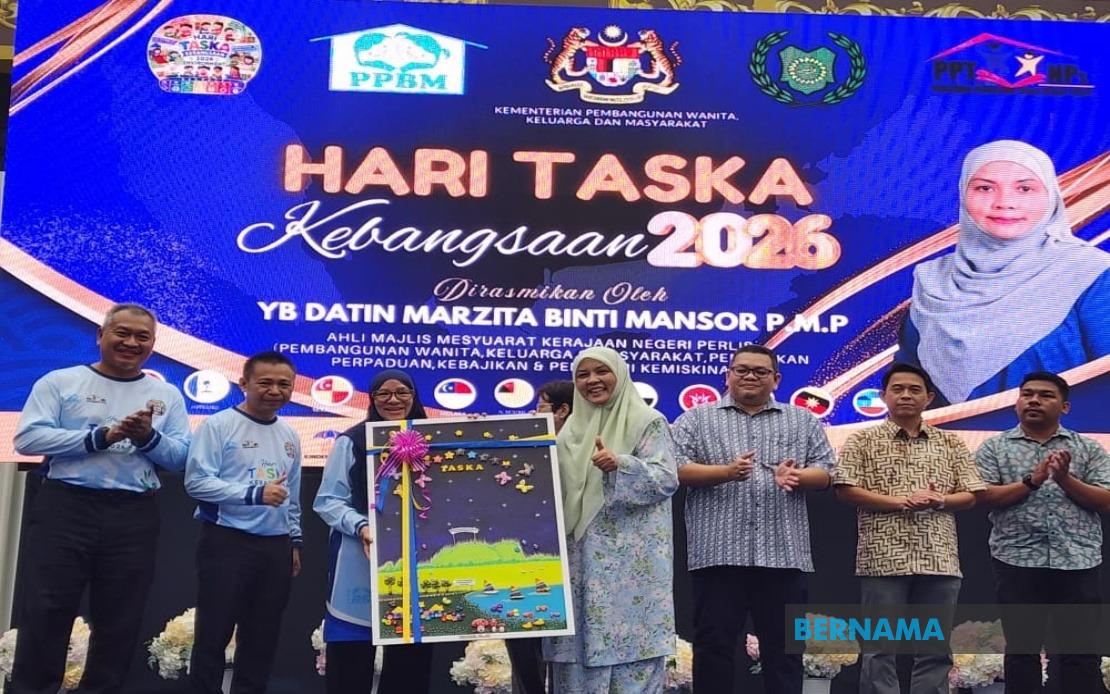
Malaysia's childcare sector must fundamentally reshape how it approaches early childhood development by treating the Convention on the Rights of the Child as a practical framework rather than merely an aspirational document, according to leaders in the childcare industry. Speaking at the 2026 National Childcare Day celebrations in Kangar, the Association of Registered Childcare Providers Malaysia (PPBM) stressed that institutional commitment to children's rights remains central to improving outcomes for the nation's youngest citizens.
Adjunct Professor Norsheila Abdullah, president of PPBM, articulated a vision of childcare that extends far beyond the conventional understanding of supervised care. The current approach, which often reduces childcare to provision of meals, maintenance of hygiene standards and basic physical supervision, represents an incomplete and inadequate framework for modern Malaysia. Instead, Norsheila contended that comprehensive childcare encompasses layers of responsibility: shielding children from harm, fostering positive interpersonal connections, delivering emotional nourishment, facilitating developmental learning and upholding the intrinsic worth of every child as an individual deserving of respect.
This expanded definition carries significant implications for how Malaysian families, communities and policymakers evaluate childcare quality. The distinction between care and protection is crucial. A centre may feed children adequately and keep premises clean while simultaneously failing to listen to children's concerns, validate their emotions or respect their developing autonomy. Norsheila's framing challenges childcare providers and parents to ask tougher questions: Are children being heard? Do they feel safe reporting problems? Are their emerging identities being nurtured or suppressed? These questions move beyond compliance metrics into the realm of genuine child wellbeing.
The emphasis on creating safe, caring, inclusive and stimulating environments emerged as a shared societal obligation rather than the sole responsibility of professional childcare workers. Parents, extended families, neighbours and broader community structures all play roles in either supporting or undermining children's developmental needs. This distribution of responsibility reflects the Malaysian government's broader push toward communal approaches to social challenges, acknowledging that institutional solutions alone cannot address complex issues around early childhood care and protection.
Central to PPBM's advocacy is the principle of "no child left behind," which demands that childcare systems actively respond to diverse developmental needs rather than operating one-size-fits-all models. Children with disabilities, developmental delays, behavioural challenges or social difficulties require additional support and individualised attention. Childcare environments that claim inclusivity while passively accommodating difference, rather than actively designing for it, fail this standard. The challenge for Malaysian childcare providers involves substantial investment in training, smaller staff-to-child ratios, specialised resources and flexible programming.
Safety and protection mechanisms must remain non-negotiable priorities. Norsheila emphasised that everyone involved in childcare needs constant alertness to warning signs of abuse, neglect and safety hazards. This extends beyond obvious physical dangers to encompass emotional abuse, isolation, inappropriate interactions and environments where children feel unable to voice concerns. Building protective systems requires transparent communication channels, staff background screening, regular training updates and open dialogue between providers and families about observations and concerns.
The research foundation supporting early investment in childcare remains compelling. Children who develop within safe, nurturing environments demonstrate measurably stronger capabilities across physical health, emotional regulation, social skills, cognitive development, language acquisition and moral character. These early foundations have cascading effects throughout their educational trajectories and adult lives. A child who learns to trust adults, express needs verbally and navigate social relationships successfully at age three faces far better prospects than one who enters formal education having experienced inconsistent care, unresponsive adults or chaotic environments.
From a macroeconomic perspective, investing in early childhood development represents intelligent long-term national planning. While initial outlays for quality childcare infrastructure, staff training and support systems require substantial budgets, the subsequent returns manifest across decades: reduced special education expenses, lower social service interventions, improved educational attainment, higher adult earning potential and decreased criminal justice system involvement. Malaysia's aspirations to develop a high-income knowledge economy depend partly on ensuring that children from all socioeconomic backgrounds receive strong developmental foundations during their most formative years.
The officiation of the National Childcare Day by Perlis Women, Family and Community Development, Education, Unity, Welfare and Poverty Eradication Committee chairman Datin Marzita Mansor reflected government recognition of childcare's importance to broader social and economic agendas. However, acknowledgment of importance must translate into tangible resource allocation, regulatory frameworks and professional support. Malaysian childcare providers often work with limited funding, minimal formal training requirements and insufficient social recognition despite their crucial societal role.
PPBM's positioning of childcare as a rights-based endeavour rather than a custodial service represents a conceptual shift with practical consequences. This framework demands higher standards for provider selection, ongoing professional development, transparent accountability mechanisms and genuine partnership with families. It requires moving beyond treating childcare primarily as a workforce participation enabler for parents toward recognising it as a fundamental service supporting optimal human development during critical developmental windows.
The National Childcare Day theme, "The Environment as a Driver of Holistic Child Development," underscores that physical spaces, social relationships and emotional atmospheres within childcare settings actively shape developmental outcomes. Children do not develop despite their environments but rather through constant interaction with them. Thoughtfully designed spaces that invite exploration, responsive adults who validate emotions and peer relationships that teach cooperation and conflict resolution become tools for supporting the comprehensive development that PPBM advocates.
Moving forward, Malaysia's childcare sector requires systematic support for implementation of these principles. This includes establishing clearer quality benchmarks aligned with international best practices, ensuring competitive compensation attracts qualified professionals, mandating regular training and professional development, implementing transparent inspection and accountability systems, and recognising childcare work as a valued profession rather than a low-status occupation. PPBM's call represents not merely an idealistic vision but a practical roadmap for building childcare systems that genuinely serve children's rights and wellbeing while strengthening national human capital for generations ahead.

