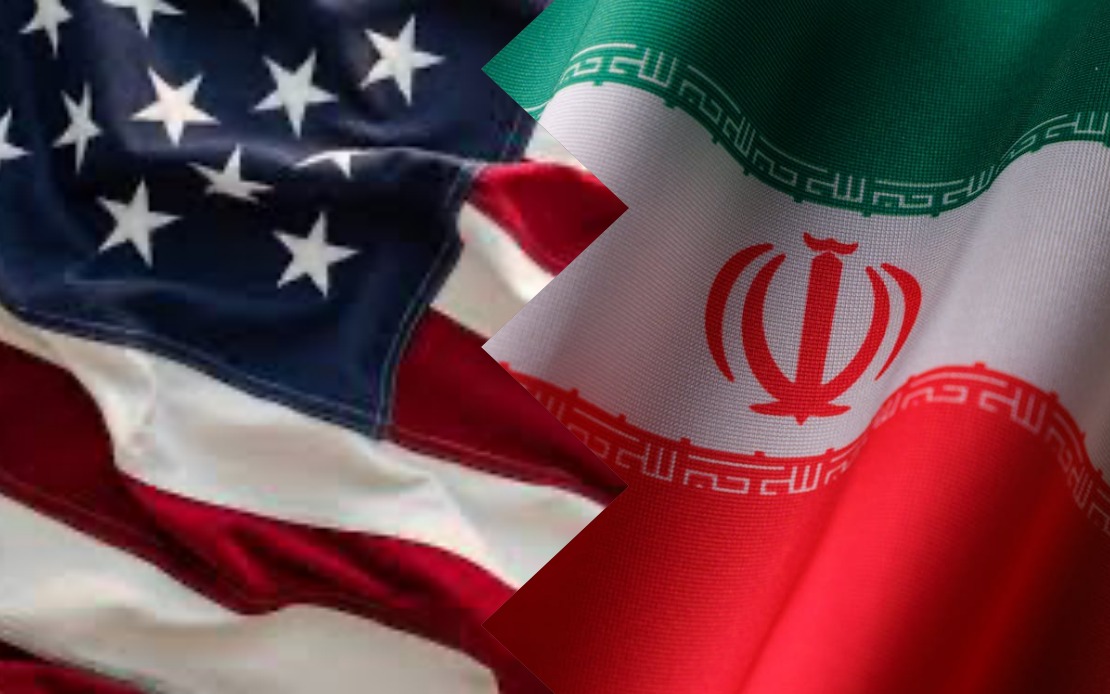
Diplomatic mediators announced Wednesday that weeks of indirect negotiations between American and Iranian representatives in Doha have yielded tangible progress, signalling renewed momentum in efforts to restore stability to one of the world's most volatile geopolitical relationships. Qatar and Pakistan, serving as neutral intermediaries, concluded separate meetings with both delegations and reported meaningful advancement on substantive matters outlined in the Islamabad Memorandum of Understanding, the framework established during the Lake Lucerne Summit.
The announcement came through Qatar's Foreign Ministry spokesman Majed Al Ansari, who disclosed the session's outcomes on social media. Both parties agreed to maintain their engagement through additional rounds of dialogue scheduled to commence at the earliest available juncture, indicating neither side wishes to allow momentum to dissipate. This commitment to continued talks represents a notable signal of serious intent, particularly given the high-stakes nature of discussions involving nuclear policy, regional security, and sanctions architecture.
The timing of the announcement reflects carefully calibrated diplomatic sensitivity. The scheduled pause in negotiations coincides with the funeral processions for Ali Khamenei, the former Iranian Supreme Leader whose death on February 28 following a US-Israeli military operation had threatened to derail diplomatic progress entirely. By acknowledging this pause and explicitly tying the resumption of talks to the completion of mourning ceremonies, mediators demonstrated respect for Iran's political circumstances while maintaining the fragile thread of engagement.
The Lake Lucerne Summit, which preceded these Doha talks, had established the underlying framework through which negotiators are now operating. That earlier gathering presumably addressed fundamental principles governing future discussions and established the preliminary parameters within which the Islamabad Memorandum of Understanding would function. The fact that Doha talks are making measured progress on issues related to this memorandum suggests the initial framework remains robust and acceptable to both parties, despite the dramatic intervening events.
For Southeast Asian observers and policymakers, these developments carry significant implications. Regional stability, energy security, and international commerce all depend substantially on reduced tensions in the Persian Gulf region. Malaysia, as a maritime nation with substantial shipping interests and energy import dependencies, has direct interest in preventing escalation between the United States and Iran. Any progress toward de-escalation and normalised diplomatic channels reduces risks of conflict that could disrupt global supply chains, elevate energy prices, and force regional nations to navigate increasingly constrained geopolitical options.
Qatar's central role as mediator reflects its unique positioning within the Middle East—maintaining relations across regional divides while developing sophisticated diplomatic infrastructure. Pakistan's involvement adds weight from a major Islamic nation with historical ties to Iran, lending credibility to the mediation process among Iranian decision-makers. This two-nation mediation structure appears to have successfully managed the delicate challenge of keeping channels open despite profound mutual suspicion and recent military escalation.
The substantive progress reported, while deliberately vague in its public articulation, suggests negotiators have moved beyond preliminary positioning and are engaging with concrete issues. The specific reference to the Islamabad Memorandum of Understanding as the focus area indicates discussions likely involve nuclear programme limitations, verification mechanisms, sanctions relief sequencing, and related technical matters. Such discussions represent advancement beyond symbolic gestures or confidence-building measures into substantive negotiation territory.
The death of Ali Khamenei introduced genuine uncertainty about whether Iran's new leadership would maintain commitment to ongoing negotiations. Revolutionary transitions create windows of unpredictability as new power structures solidify and succession dynamics play out. By successfully maintaining engagement through this transition period and securing agreement to resume talks post-funeral, mediators have demonstrated skilled crisis management and secured implicit acceptance of the negotiating framework from Iran's transitional authority.
Looking ahead, the next scheduled meeting will be crucial in determining whether Doha represents a momentary breakthrough or sustained diplomatic momentum. Successful multilateral negotiations typically feature patterns of incremental progress interrupted by periodic complications and setbacks. The challenge for mediators will involve preventing any disruption during Iran's leadership transition from unravelling the progress achieved thus far or becoming a pretext for either party to abandon the process.
For Malaysia and other Southeast Asian nations, maintaining stability in great-power relationships and avoiding entanglement in great-power competition remains a core strategic interest. These US-Iran talks, though distant geographically, significantly influence the regional security environment and the international rules-based order upon which smaller nations depend for protection. Successful de-escalation improves conditions for regional cooperation and economic development. Conversely, continued US-Iran confrontation narrows policy options for middle powers and elevates risks of being drawn into conflicts they did not initiate.
The positive assessment from mediators should be interpreted carefully—success in diplomatic processes is often incremental, measured in sustained engagement rather than dramatic breakthroughs. However, the fact that both parties agreed to continue discussions and that mediators reported genuine progress suggests sufficient common ground exists to justify sustained engagement. Whether this represents the beginning of a sustained process leading toward comprehensive resolution or merely a temporary reprieve remains to be determined over the coming months.

