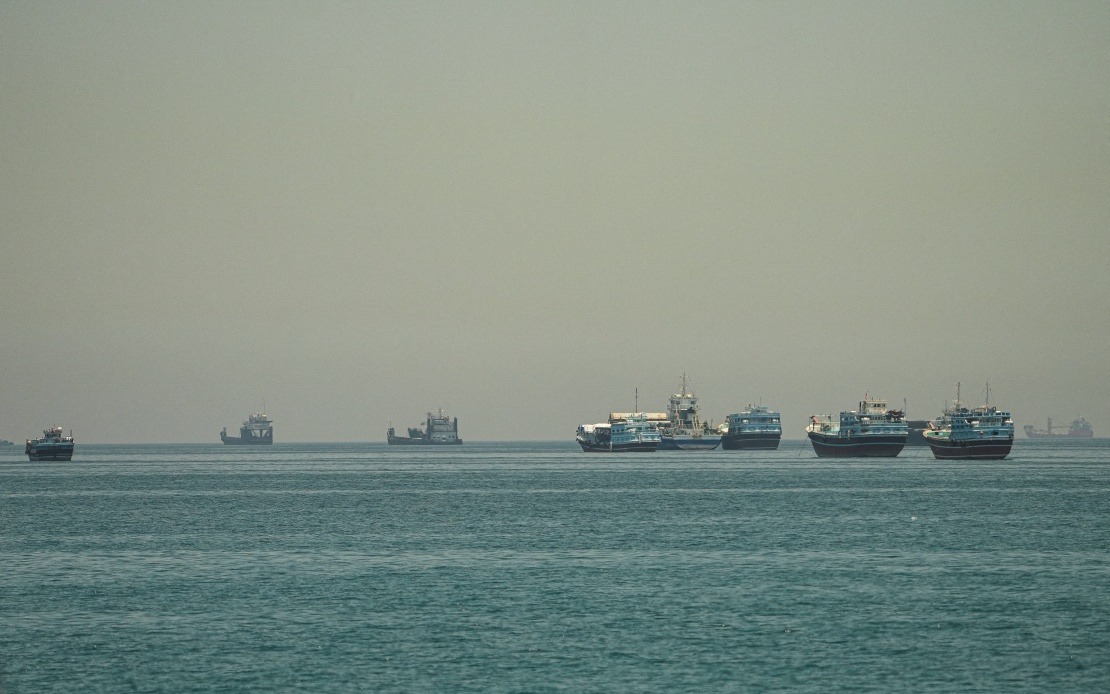
Qatar's maritime sector has returned to full operational status after the country's Ministry of Transport announced the immediate resumption of navigation for all marine vessels on Sunday. The decision brings an end to a precautionary suspension that had been in place for less than a week, reflecting authorities' response to a serious incident involving a missing vessel discovered in the Persian Gulf.
The transport ministry's statement emphasised the importance of strict compliance with existing maritime regulations and safety protocols. All vessel owners and operators have been directed to maintain comprehensive equipment checks and verify that their craft meet the highest safety and security standards before embarking on voyages. This reinforcement of safety requirements suggests that the incident that prompted the suspension raised questions about operational preparedness in the region's waters.
The temporary closure was implemented on Monday as a precautionary measure, demonstrating how regional security concerns can have immediate economic implications for maritime-dependent economies. Qatar, which relies significantly on shipping and port operations as part of its broader economic infrastructure, took this step to protect public safety and allow authorities to complete their investigation into what had occurred. The brief nature of the suspension indicates that officials determined the underlying risk had been sufficiently addressed to allow normal operations to resume.
The chain of events began when Qatar's Interior Ministry disclosed details of a search and rescue operation that recovered a missing vessel in the early hours of June 28. During this operation, emergency responders located two individuals requiring assistance. A Qatari citizen was pronounced dead at the scene, having sustained fatal injuries from shrapnel that had resulted from military operations being conducted in the broader region. An Arab resident who was also aboard the vessel sustained injuries and was transported to hospital care, where medical personnel reported his condition had stabilised.
The circumstances surrounding the vessel's disappearance and the subsequent discovery point to the complex security environment that exists in the Persian Gulf region. The presence of military operations in the area created hazards that extended beyond traditional maritime risks, a reality that affected the decision-making of transport authorities. The fatality, caused by shrapnel rather than maritime accident, underscores how geopolitical tensions and active military activities in proximate waters create unpredictable dangers for civilian shipping.
For regional shipping operators and international maritime commerce, such incidents and the regulatory responses they trigger carry significant implications. Temporary navigation suspensions, even brief ones, can disrupt supply chains, delay cargo deliveries, and create uncertainty about operational continuity. Malaysian shipping companies and traders with interests in Gulf commerce would have monitored the situation closely, as any extended closure could have affected routes and schedules connecting Southeast Asian ports to Middle Eastern markets.
The restoration of normal maritime operations signals that Qatari authorities have determined the immediate risk has diminished sufficiently to permit resumed transit. However, the underlying security situation that contributed to the incident remains relevant for vessel operators planning activities in these waters. The incident serves as a reminder that maritime operators in the Persian Gulf must remain cognisant of regional military activities and exercise heightened vigilance when planning voyages through areas where such operations occur.
The ministry's emphasis on equipment compliance and adherence to safety regulations may also reflect lessons learned from the incident. Whether the missing vessel's disappearance was facilitated by equipment failure, inadequate communication systems, or other operational shortcomings, the transport authorities clearly intend to ensure that future vessels operating in Qatar's maritime jurisdiction maintain the highest operational standards. This renewed focus on safety compliance could establish a new baseline for maritime operations in the region.
For international shipping interests and maritime insurers, the reopening of Qatar's waters returns certainty to one of the Gulf's important shipping corridors. The incident and response illustrate how quickly maritime authorities can respond to security concerns and how regional instability can have tangible effects on commercial shipping. Going forward, operators will likely incorporate this incident into their risk assessments for the Gulf region, recognising that while normal operations have resumed, the underlying geopolitical environment continues to present unique challenges distinct from other international maritime jurisdictions.

