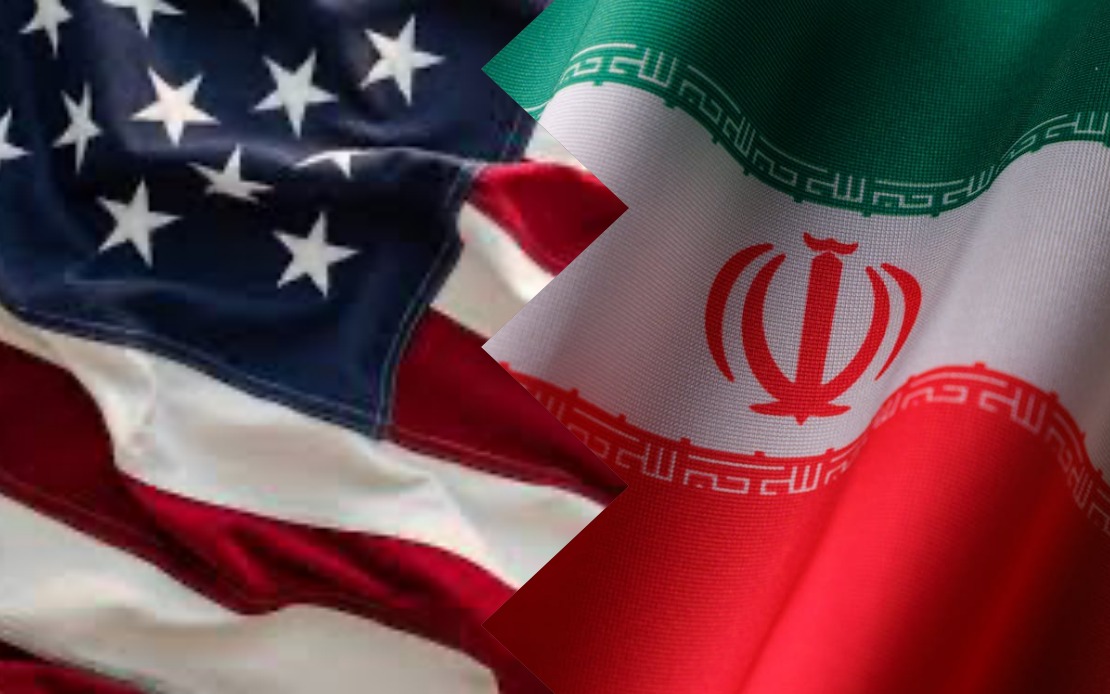
Qatar is rallying its Gulf neighbours to unite behind efforts to enforce a US-Iran peace agreement, signalling Doha's commitment to preventing further escalation in a region gripped by recurring military tensions. Prime Minister and Foreign Minister Sheikh Mohammed bin Abdulrahman Al Thani initiated separate diplomatic consultations with counterparts across the United Arab Emirates, Saudi Arabia, Kuwait, Oman, and Bahrain, pressing the case for coordinated implementation of the memorandum of understanding signed between Washington and Tehran.
The timing of these consultations underscores the fragile state of Middle Eastern geopolitics. Al Thani's diplomatic outreach reflects Qatar's traditional mediator role—a position the country has cultivated through its hosting of regional and international organisations, its financial resources, and its capacity to maintain channels of communication across fractious divides. For Malaysian observers, this development carries particular significance given the region's importance to Southeast Asian trade, energy security, and maritime commerce.
At the heart of Qatar's initiative lies concern over the implementation of specific provisions within the memorandum, particularly safeguarding freedom of navigation through the Strait of Hormuz. This waterway carries approximately one-third of globally traded seaborne oil, making its security a matter of concern for energy-dependent nations across Asia, including Malaysia. Disruptions to shipping or renewed military confrontations in these waters would reverberate through regional economies far beyond the Gulf itself.
The memorandum in question represents a tentative breakthrough following months of deteriorating relations. After the US and Israel conducted military strikes against Iran in February, Tehran responded with direct retaliatory attacks on multiple targets across the region, raising fears of uncontrolled escalation. The subsequent ceasefire achieved in April appeared to offer a pathway toward de-escalation, culminating in June when Pakistan facilitated signing of the memorandum aimed at ending military hostilities and establishing a durable peace framework.
However, the collapse of this agreement just last month demonstrated the fragility of recent diplomatic gains. Fresh rounds of military exchanges between American and Iranian forces over nearly two weeks illustrated how quickly the situation can deteriorate without sustained commitment to dialogue and enforcement mechanisms. This volatility explains Qatar's urgency in convening its Gulf partners—without collective commitment and coordinated monitoring, individual agreements lack enforcement capacity and invite opportunistic violations.
Al Thani's messaging emphasised the indispensability of sustained commitment to dialogue and diplomatic channels. This rhetorical emphasis reflects the understanding that military solutions have repeatedly failed to produce lasting outcomes in Middle Eastern conflicts. Qatar's advocacy for comprehensive peace arrangements speaks to its experience hosting prolonged negotiations and its stake in regional stability. The country's emphasis on implementing existing memorandum provisions suggests recognition that the agreement, though imperfect, offers the best available framework for preventing further deterioration.
The call for coordinated Gulf action addresses a persistent challenge in regional diplomacy: the absence of unified institutional mechanisms comparable to those in other regions. Unlike ASEAN in Southeast Asia, which provides forums for dialogue and confidence-building even among states with significant differences, the Gulf lacks equivalent structures for managing collective security concerns. Qatar's initiative attempts to create ad hoc coordination, filling this institutional gap through bilateral engagement with key partners.
For Southeast Asian nations monitoring developments, the implications extend beyond immediate regional security. Malaysia and other ASEAN members depend on uninterrupted access to Gulf energy markets and rely on the Strait of Hormuz for essential shipping lanes. Regional conflicts that disrupt these flows impose direct costs on Southeast Asian economies through higher energy prices, insurance premiums, and supply chain disruptions. Additionally, instability in the Gulf can exacerbate sectarian tensions that occasionally surface in Southeast Asian Muslim-majority societies.
Oman's inclusion in Qatar's diplomatic circuit deserves particular note. As a neighbour sharing a border with both Iran and the UAE, Oman has historically positioned itself as a neutral party capable of bridging divides—a role it played successfully in earlier Iran-US negotiations. Its participation in these consultations suggests that even traditionally quieter voices in Gulf diplomacy recognise the stakes involved and the necessity for active engagement.
Saudi Arabia and the UAE, as the region's most powerful actors economically and militarily, represent the critical test case for Qatar's coordination efforts. Both nations have pursued aggressive regional policies, though their approaches differ in emphasis and execution. Saudi Arabia's focus remains centred on containing Iranian influence, while the UAE has undertaken cautious normalisation with Iran alongside maintaining security partnerships with Western powers. Bringing these actors into alignment on implementation of the memorandum requires acknowledging their distinct strategic interests while emphasising shared benefits from stability.
The broader context involves not only bilateral US-Iran relations but the complex web of strategic alignments shaping the modern Middle East. Israel's role in earlier military operations adds another layer of complexity, as does the involvement of non-regional powers including the United States. Qatar's framing of its initiative around the memorandum rather than broader regional restructuring may reflect diplomatic pragmatism—focusing on an achievable, limited objective rather than attempting comprehensive regional realignment.
Looking forward, the success of Qatar's coordination efforts will depend on whether participating states can transform diplomatic consultation into concrete mechanisms for monitoring, verification, and enforcement. The memorandum's collapse last month suggests that agreements alone, without sustained commitment and institutional support, prove insufficient. Qatar's renewed push indicates recognition that this moment represents a critical juncture—either Gulf states mobilise collectively to preserve the diplomatic opening, or they allow recent gains to dissipate into renewed confrontation with incalculable consequences for regional and global stability.

