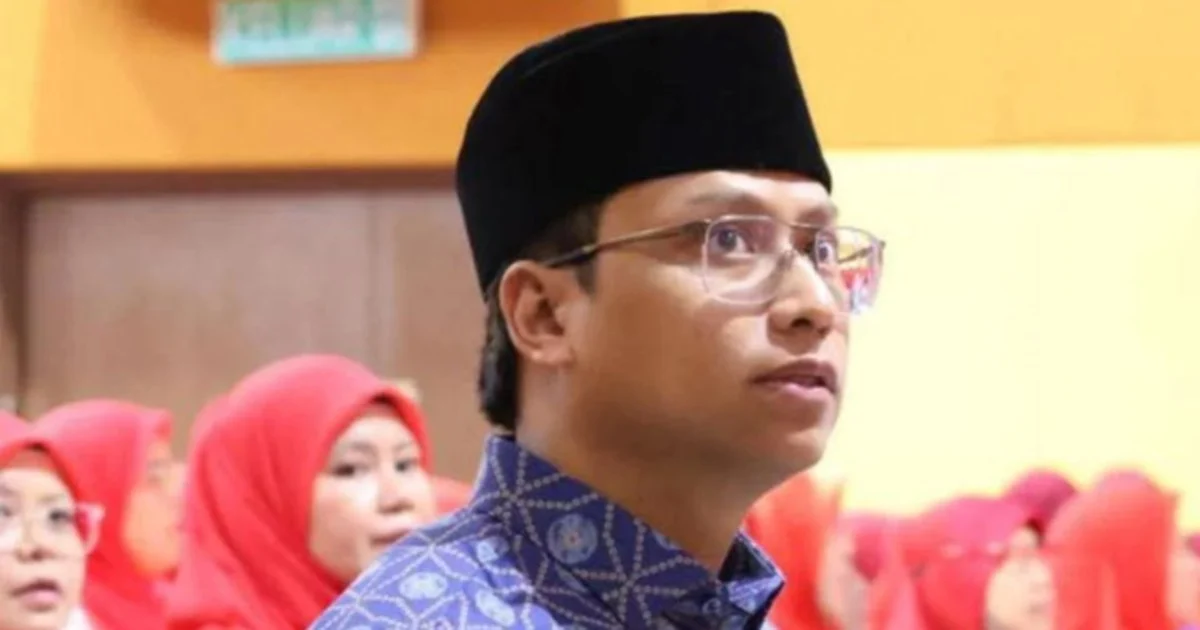
The family of former Umno Supreme Council member Datuk Dr Mohd Puad Zarkashi has moved to shield the prominent party figure from mounting criticism, with his son stepping forward to reframe the veteran politician's controversial recent statements as constructive counsel rather than destructive dissent. Speaking in Kuala Lumpur, the younger Zarkashi sought to emphasize that his father's willingness to voice concerns about Umno's strategic direction stems from genuine concern for the organization's enduring strength and electoral prospects, not from any personal grievance or factional positioning within the party machinery.
The timing of this familial intervention reflects the sensitivity surrounding internal Umno debates over the party's future orientation. As Malaysia's dominant political force for decades, Umno faces mounting pressure to maintain relevance amid shifting electoral dynamics, leadership transitions, and evolving voter preferences. Puad Zarkashi, whose long tenure on the Supreme Council positioned him as an institutional voice within the party hierarchy, has evidently departed from the kind of public silence that traditionally characterizes Umno elders regarding sensitive internal matters. This departure has triggered the sort of organizational tension that typically presages deeper factional struggle or philosophical reckoning within the party.
The elder Zarkashi's decision to articulate his concerns publicly appears to reflect a conviction that Umno's traditional approaches require fundamental reassessment if the party is to navigate an increasingly complex political terrain. His son's defense suggests the family views this as an act of patriarchal responsibility toward the party itself, casting his father not as a dissident but as a custodian attempting to preserve institutional vitality. This framing becomes crucial given Umno's historical sensitivity to accusations of internal disloyalty or attempts to undermine party unity during moments of leadership transition or policy uncertainty.
The defense also implicitly acknowledges that Puad Zarkashi's remarks have generated sufficient organizational discomfort to require family-level rebuttal. The invitation for history to judge Umno's stance carries additional weight when considered against the party's own historical experience: Umno has endured previous cycles of internal criticism that later proved prescient, and others that appeared merely obstructionist. By invoking historical judgment, Zarkashi's son appears to be setting a longer timeline for evaluating his father's intervention, suggesting that the wisdom of the elder's position may only become apparent as Umno's trajectory unfolds over coming years.
For Malaysian political observers, this episode illuminates ongoing tensions within Umno regarding adaptation and tradition. The party has long balanced competing impulses: the conservative instinct to maintain established organizational practices and ideological moorings, and the reformist recognition that contemporary electoral competition demands strategic innovation. Puad Zarkashi's apparent alignment with those questioning Umno's current path suggests that significant sections of the party's intellectual and institutional infrastructure harbor doubts about the direction set by current leadership, even if they do not uniformly voice those doubts in public forums.
The family's public defense also carries implications for understanding succession dynamics within Umno's upper echelons. When former Supreme Council members continue to exert influence over party discourse following their official departure from formal positions, it signals that institutional authority within Umno extends beyond titular roles. Zarkashi's willingness to comment, and his family's willingness to defend him, underscores how Umno's informal networks of influence and prestige remain consequential for the party's self-perception and policy conversations.
Regionally, Umno's internal grappling with strategic direction has implications for Malaysian politics writ large. The party's choices about governance, opposition engagement, institutional reform, and electoral positioning ripple outward to affect coalition dynamics and governmental effectiveness. When prominent Umno figures signal publicly that the party faces directional questions requiring candid internal examination, it shapes perceptions among coalition partners, opposition competitors, and the broader electorate about the stability and coherence of Malaysia's political establishment.
The son's invocation of historical judgment also reflects a broader Malaysian political pattern: disputes over party direction are often framed retrospectively, with participants claiming vindication once events overtake initial skepticism. Umno's institutional memory is long enough to contain multiple examples of controversial decisions that were later either celebrated as wise or condemned as disastrous. Puad Zarkashi's apparent bet is that his skepticism about the party's current trajectory will ultimately appear prescient when evaluated against medium-term political outcomes.
Looking ahead, this episode may signal the beginning of more open discussion within Umno about strategic alternatives. The family's decision to mount a public defense, rather than allowing criticism to fade quietly, suggests they believe the issue warrants sustained engagement rather than containment. This posture could embolden other senior figures within the party to articulate their own reservations about current direction, potentially intensifying the party's already complex internal conversations about identity, electoral viability, and institutional purpose in an era of rapid political change.

