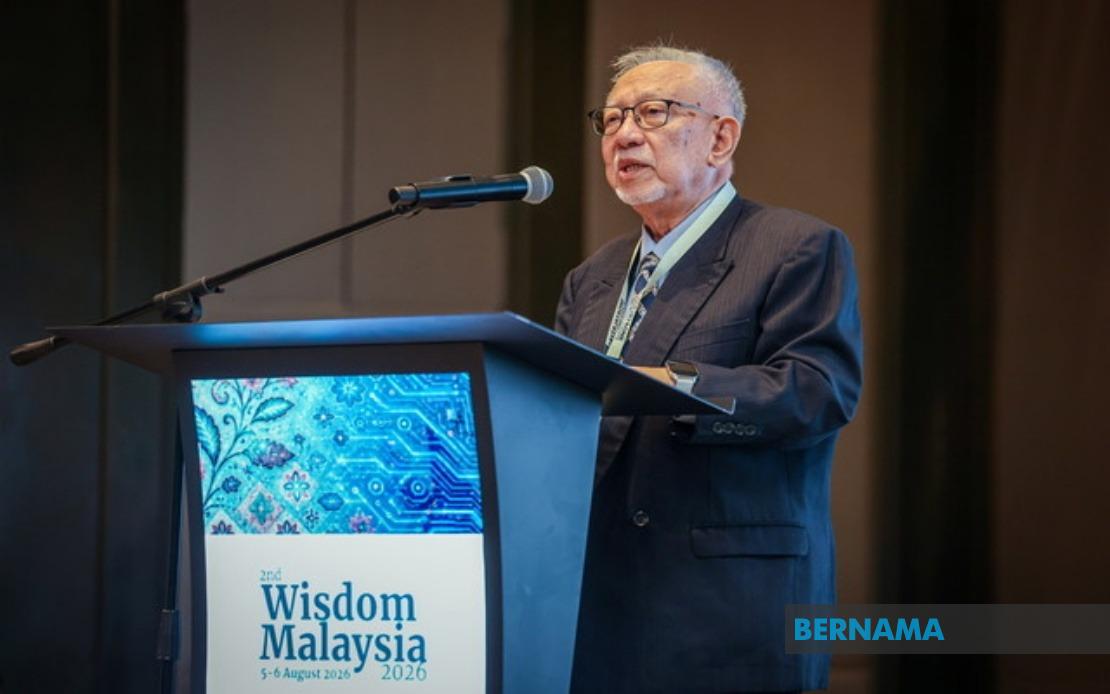
The integrity of any anti-corruption framework depends fundamentally on the willingness of honest individuals within institutions to speak out against wrongdoing. Yet this essential safeguard remains under threat when whistleblowers face intimidation and suppression rather than protection, according to Datuk Syed Ahmad Idid Syed Abdullah, former High Court Judge of Malaya and Borneo. Speaking at the 2nd Wisdom Malaysia Conference 2026 in Kuala Lumpur on August 6, he articulated a sobering reality facing Malaysia's fight against graft: a chilling effect that discourages ethical officers from exposing abuses of power.
The consequences of creating such an environment extend far beyond the individual whistleblower. When organisations respond to allegations with intimidation tactics rather than genuine investigation, they send a clear signal that those in positions of power prioritise self-protection over accountability. This dynamic transforms institutions into breeding grounds for systematic misconduct, where potential informants retreat into silence, calculating that the personal cost of speaking up outweighs the institutional benefit of transparency. The result is not merely the perpetuation of existing corruption schemes, but the creation of conditions that invite increasingly brazen and elaborate financial crimes. Malaysia's track record with major scandals suggests that many cases went undetected not because the evidence was unavailable, but because the systems designed to surface wrongdoing had been compromised by fear.
Syed Ahmad Idid emphasised a crucial distinction often lost in public discourse: whistleblowing represents an act of justice, not slander or disloyalty. This reframing carries particular weight in Malaysian cultural and institutional contexts, where concerns about harmony and hierarchy sometimes conflate the reporting of misconduct with betrayal. During the dialogue session titled 'The Life, Conscience and Costs of the Principled', he challenged participants to recognise whistleblowing as a legitimate mechanism for addressing both corruption and hazardous workplace conditions. This positioning aligns with international best practices, where whistleblower protections are treated as essential infrastructure rather than exceptions to standard employment relationships.
The financial dimensions of corruption recovery present a compelling argument for strengthening whistleblower protections. Syed Ahmad Idid outlined the transformative potential of recovered illicit proceeds, noting that successful asset recovery programmes could redirect substantial resources toward public benefit. The scale of this opportunity becomes apparent when translated into concrete infrastructure: those same funds could establish at least two general hospitals in every Malaysian state, substantially addressing disparities in healthcare access across regions. Beyond hospitals, the recovery could finance between 20 and 50 high-quality educational institutions nationwide, fundamentally altering Malaysia's human capital trajectory.
The implications for education deserve particular attention given Malaysia's aspirations toward becoming a high-income nation. Resources recovered from corruption could enable comprehensive school facility upgrades, acquisition of modern educational equipment, and enhanced teacher training programmes. These investments would not merely improve test scores but create the conditions for developing world-class human capital capable of competing in sophisticated global markets. Syed Ahmad Idid highlighted an additional security dimension: improved educational and training standards would generate more effective security personnel and elite athletes, contributing to both national safety and Malaysia's standing in international sporting competition. This multiplier effect illustrates how anti-corruption enforcement extends beyond financial rectitude to encompass broader development outcomes.
The challenge, however, extends beyond systemic reforms to encompass cultural and interpretive practices within institutions and wider society. Syed Ahmad Idid called on all stakeholders to resist the temptation to offer lenient or distorted interpretations of corrupt practices, a warning particularly relevant in contexts where administrative discretion and informal norms sometimes override formal rules. The phenomenon of rationalising misconduct as standard practice represents perhaps the greatest threat to integrity frameworks, because it normalises wrongdoing at the grassroots level where corruption actually occurs. Rather than allowing such erosion of standards, he advocated for unwavering commitment to principles of justice and accountability as essential to safeguarding Malaysia's long-term trajectory.
For Malaysian policymakers, the message carries immediate relevance. Current whistleblower protection frameworks, while present in legislation, often lack robust implementation and sufficient independence to insulate informants from retaliation. Government agencies and private sector organisations that establish credible channels for anonymous reporting, coupled with genuine investigative follow-up and protection guarantees, will outperform those that merely pay lip service to transparency. The 2nd Wisdom Malaysia Conference itself, organised by Kerjaya One PLT and designed as a platform for industry leaders to exchange knowledge and insights with emerging professionals, demonstrated recognition that combating corruption requires sustained dialogue among stakeholders rather than top-down directives alone.
The broader Southeast Asian context underscores the urgency of Syed Ahmad Idid's message. Across the region, nations competing for investment and international standing recognise that corruption undermines competitiveness, deterring foreign capital and skilled migration. Countries that successfully cultivate whistleblower cultures tend to experience improved governance rankings, enhanced investor confidence, and more efficient public expenditure. Malaysia, positioned as a regional financial centre and democratic leader, stands to gain considerably from strengthening these protections. Conversely, permitting environments where silence is enforced through intimidation risks reinforcing negative perceptions of institutional integrity that persist internationally.
Looking forward, the most challenging aspect of protecting whistleblowers involves moving beyond rhetorical endorsement to structural change. This requires establishing independent oversight bodies with real investigative authority, guarantees of anonymity that genuinely withstand institutional pressure, and compensation schemes that adequately offset career consequences for those who speak out. It demands cultural shifts within organisations, where reporting misconduct is framed as a leadership responsibility rather than a career liability. Most fundamentally, it requires political will to accept that transparency occasionally reveals uncomfortable truths about institutions and individuals in power. Yet the alternative—allowing corruption to compound unchecked while honest officers retreat into silence—carries far greater costs for Malaysia's democratic institutions, economic development, and social cohesion.

