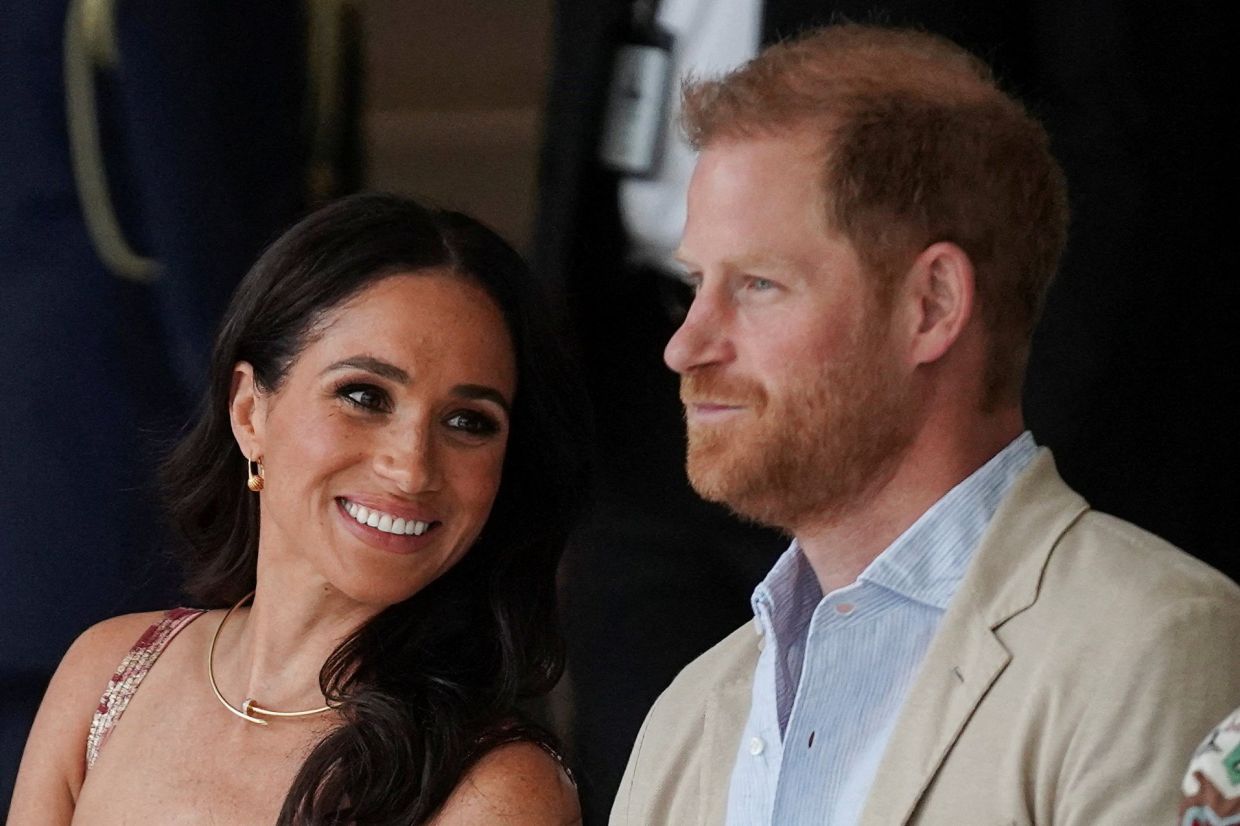
Prince Harry and his wife Meghan have decided to establish a base in the United Kingdom, though they will not resume their former status as active working members of the Royal Family, according to reports from British media outlets on Wednesday evening. The move marks a significant shift for the couple who departed for California over six years ago, though they will maintain their lucrative entertainment contracts with Netflix and Spotify. Their children, Prince Archie aged seven and Princess Lilibet aged five, have already secured places at British educational institutions and are scheduled to begin their studies when the academic year commences in September.
The announcement comes amid a gradual thaw in relations between Harry and his father, King Charles III, who is currently undergoing treatment for cancer. King Charles only learned of the couple's intentions on Sunday, rather than being informed during Harry and Meghan's previous visit to Britain last month. The timing suggests a deliberate decision by the couple to handle the disclosure carefully, recognising the sensitivities involved in their return to British soil. Buckingham Palace has maintained its customary stance of not commenting on matters relating to non-working members of the royal household, while representatives for the couple have similarly declined to offer any public statement.
The pair's relationship with the broader royal family has been characterised by considerable strain following their departure to Montecito in Southern California. Public discord intensified through a series of interviews and Harry's recently published memoir, which contained candid revelations about family dynamics and personal grievances. These tensions have been further aggravated by Harry's prolonged legal campaign against British tabloid publications, which he contends engaged in phone hacking and invasive privacy violations during his earlier years. The prince has experienced limited success in these judicial proceedings, with several cases resulting in unfavourable outcomes that have left him facing substantial financial obligations.
A particularly costly judgment emerged from a recent trial where Harry and fellow plaintiffs were held liable for Associated Newspapers' legal expenses, which totalled £34.5 million (US$47 million). This financial burden adds another layer of complexity to his relationship with the British legal system and media establishment. Beyond his media disputes, Harry has also been engaged in a separate confrontation with the British government regarding security provisions. After a governmental committee declined to grant police protection for the prince and his family during visits to the UK, Harry pursued legal action arguing that his status as a royal family member warranted armed security regardless of his working role.
Following the loss of this security case last year, Harry appeared to reassess his approach, signalling a desire to reconcile with his family. In an interview with the BBC, he articulated this sentiment with striking candour, stating his wish to end the cycle of conflict while emphasising the finite nature of his father's remaining years. This declaration suggested a fundamental shift in his negotiating stance and priorities. A preliminary indication of improving relations materialised last month when Harry visited the UK for charitable commitments, and Meghan and the children accompanied him for portions of the trip. During this visit, the family spent time together at Highgrove, the king's residence in western England, providing the first opportunity for Archie and Lilibet to interact with their grandfather since attending Queen Elizabeth II's platinum jubilee celebrations in 2022.
The relocation represents a calculated attempt to reconstruct fractured family connections while navigating the practical and reputational challenges that have accumulated over recent years. For Meghan and the children, the move offers an opportunity to reestablish roots in Britain, where the duchess initially embarked on her professional journey as an actress. The decision to enrol the children in British schools suggests a long-term commitment rather than a temporary arrangement, indicating the couple's intention to maintain a substantial presence in the country. This development carries important implications for the broader narrative of the royal family's internal dynamics and public perception.
However, the pathway toward full family reconciliation remains considerably more complicated regarding Harry's relationship with his older brother, Prince William, heir to the throne. No substantive evidence has emerged suggesting an improvement in relations between the two brothers, whose relationship has become perhaps the most visible casualty of the earlier conflicts. Former BBC royal correspondent Peter Hunt characterised the news as likely to provoke strong reactions from William, suggesting the announcement would render him highly displeased. Hunt further contended that while the relocation would enable Harry to deepen his reconciliation with his father, the physical proximity created by a UK base would make it increasingly difficult for William to avoid confronting the estrangement.
The geopolitical dimension of this development extends beyond the immediate family drama, as it reflects broader patterns within contemporary monarchy regarding adaptability and evolving definitions of royal duty. The precedent being established through Harry and Meghan's arrangement—whereby royal family members can maintain non-working status while residing in Britain—presents novel constitutional and administrative questions. Palace officials will need to navigate questions surrounding security provision, media management, and ceremonial participation without clearly defined parameters in modern royal practice.
For Malaysian and Southeast Asian readers, this narrative offers interesting parallels regarding the management of family conflicts within hierarchical institutions and the intersection of personal desire with institutional obligation. The couple's decision to seek reconciliation while maintaining financial independence through commercial ventures reflects contemporary attitudes toward work-life balance and personal autonomy that resonate across the region. The public handling of the announcement also underscores how even the highest-profile families must navigate disputes through careful communication rather than confrontation, a lesson applicable to business leadership and family enterprise management across Asia.

