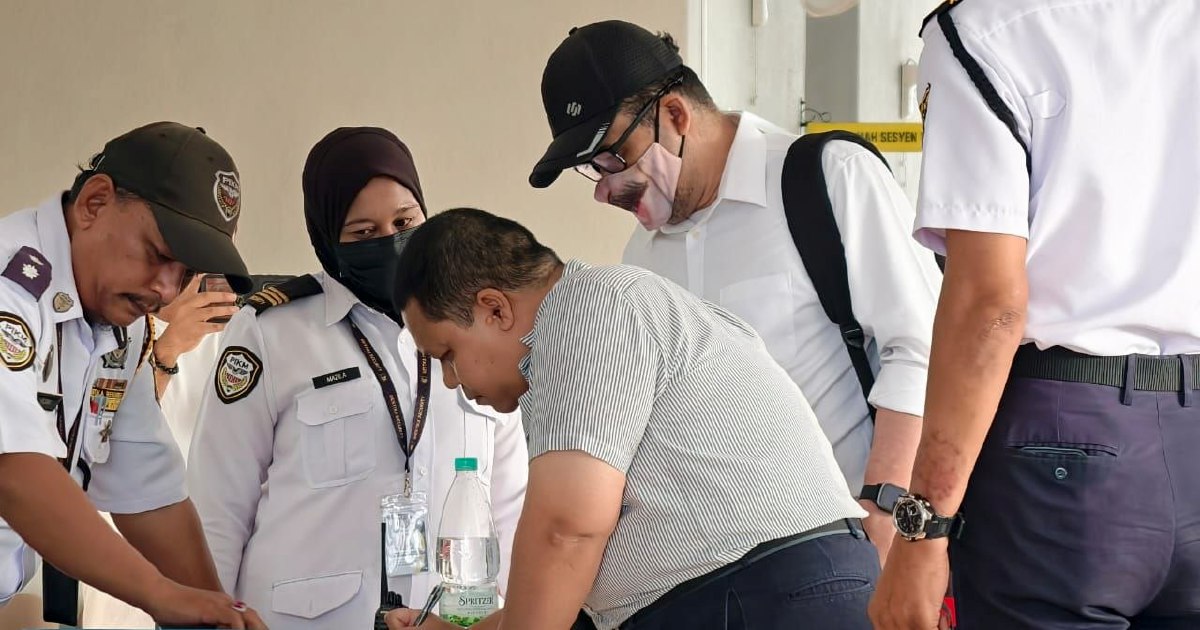
A preschool educator in Seremban appeared before the Sessions Court today facing two separate charges of committing physical sexual assault against an eight-year-old male pupil, with the alleged offences occurring during April. The formal lodging of charges marks a significant development in what authorities describe as a serious breach of trust within an educational setting where young children are placed under the care and supervision of qualified staff members.
The circumstances surrounding this case highlight the vulnerability of very young children within institutional environments and the critical importance of robust safeguarding protocols in schools and preschools across Malaysia. When allegations of this nature emerge, they inevitably prompt broader questions about background screening procedures, monitoring systems, and the protective measures currently in place within early childhood education facilities throughout the country.
Educational institutions, particularly those serving preschool and primary age groups, operate under the premise of fulfilling a duty of care toward their students. This fundamental responsibility extends beyond academic instruction to encompassing the physical safety and emotional wellbeing of children who spend considerable portions of their day under institutional supervision. The breach of this trust, should allegations prove substantiated through the judicial process, represents a serious violation of professional ethics and legal obligations.
The Sessions Court proceedings will likely involve detailed examination of evidence, witness testimony, and expert assessment to establish the factual basis for the allegations. Malaysian courts handle such sensitive matters with particular gravity given the age of the alleged victim and the position of authority held by the accused. The judicial process will determine culpability while also serving to document the circumstances that allowed such incidents to occur.
Parental reactions to such allegations typically reflect deep concerns about child safety within educational settings. Families place immense trust in institutions to provide secure environments where children can develop and learn without risk of harm. When that trust is undermined by allegations of abuse by teaching staff, it reverberates through entire school communities and often prompts parents to reassess their confidence in institutional safeguarding measures more broadly.
The Ministry of Education and relevant state authorities will likely conduct parallel reviews of safety protocols at the affected institution. These investigations typically examine whether existing procedures for hiring, vetting, and monitoring staff were properly implemented and whether any warning signs were missed or inadequately addressed. Such reviews serve the dual purpose of determining institutional accountability and identifying systemic improvements needed across the educational sector.
Malaysia's legal framework provides specific provisions addressing sexual offences against children, with enhanced penalties reflecting the severity of crimes committed against minors. The judicial system recognizes that children require heightened legal protection due to their developmental stage and inability to fully understand or consent to inappropriate conduct. Sentencing guidelines in such cases typically reflect the need for both individual punishment and broader deterrence.
Beyond the immediate legal proceedings, this case raises important questions about transparency and communication between schools and parents. Educational institutions have responsibility to inform families promptly when serious allegations emerge, particularly those affecting student safety. The manner in which such information is conveyed can significantly impact community trust and shape perceptions of institutional accountability.
Preschool and primary education sectors across Southeast Asia have increasingly implemented enhanced background checks and psychological screening for teaching candidates in response to growing awareness of child protection issues. Malaysia continues developing more sophisticated approaches to vetting and ongoing monitoring of educational staff, though implementation varies across different states and school types. International best practices in this domain suggest combining rigorous initial screening with periodic reassessment and creating effective reporting channels for concerned staff and parents.
The coming court proceedings will establish factual details through evidence and testimony presented by both prosecution and defence. These proceedings will be critical in determining individual responsibility while also providing important information about how such serious breaches of institutional trust occurred and what systematic failures, if any, existed at the school level.
For the broader Malaysian education system, this case underscores the ongoing need for investment in child protection infrastructure, staff training on recognizing concerning behaviours, and clear protocols for investigation and response when allegations emerge. Creating genuinely safe learning environments requires commitment beyond policy documents to encompassing genuine cultural change within institutions and robust implementation of protective measures.

