The Agricultural Farmers' Organisation (PPK) is embarking on an ambitious restructuring programme to transform its nationwide network of 90 farmers' outlets into modern retail operations capable of holding their own against established food and beverage chains and major supermarket brands. This strategic initiative, unveiled during the 51st Farmers, Breeders, and Fishermen's Day celebration at Padang Siding in Perlis, signals a fundamental shift in how Malaysia's cooperative farming sector presents itself to consumers and competes in an increasingly sophisticated marketplace.
Thirty of these farmers' outlets have already undergone comprehensive modernisation, according to Marlina Mohd, director of the Farmers' Organisation Authority (LPP) Economic Development Division. The upgrades encompass far more than cosmetic changes, extending to revamped logos, refreshed visual identity and branding approaches, enhanced promotional strategies, and reconfigured product cataloguing systems measured in Stock Keeping Units. This technical overhaul reflects recognition that farmer-produced goods, regardless of quality, struggle in the marketplace without professional presentation and marketing infrastructure comparable to multinational food retailers.
The organisation has set an aggressive timeline for the next phase, targeting another 30 outlets for upgrading within the coming period. This measured but steady approach reflects both budgetary constraints and the need to ensure that each upgraded outlet functions as a model of success before rolling out improvements across the wider network. The ultimate vision positions these outlets as legitimate competitors to premium retail brands, bridging the traditional gap between farm-to-table operations and consumer expectations shaped by supermarket convenience and professional merchandising.
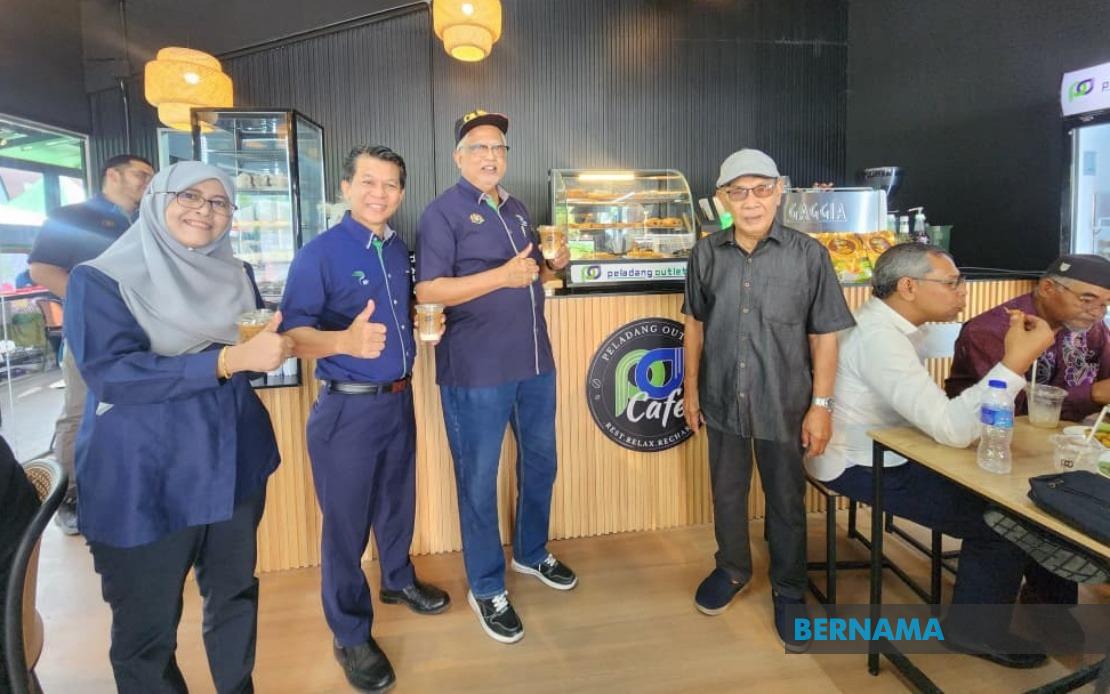
Padang Siding's PPK outlet, formally inaugurated today by LPP chairman Datuk Mahfuz Omar with LPP director-general Amir Matamin in attendance, exemplifies the successful application of this modernisation blueprint. The facility has demonstrated impressive public reception since beginning operations this April, attracting more than 20,000 visitors in its opening months. These numbers validate the underlying commercial logic: consumers respond positively when local agricultural products are presented in professional, accessible retail environments offering genuine value proposition.
The outlets function as consolidated distribution hubs rather than traditional farming cooperatives. By aggregating quality agricultural products from multiple local entrepreneurial farmers under one roof, the PPK platform eliminates traditional supply chain inefficiencies and intermediaries that historically compressed farmer profits. Consumers gain direct access to farm-produced goods without the markup typically imposed by wholesale distributors and retail chains, creating a genuine price advantage at point of sale.
For Malaysian agricultural stakeholders, this initiative addresses a persistent structural challenge in the sector. Smallholder and medium-scale farmers have long struggled with market access and consumer visibility, particularly when competing against vertically integrated agribusiness corporations and international imports. The PPK outlet network, when properly equipped with contemporary retail infrastructure and marketing capabilities, provides these producers with a competitive channel that would otherwise require prohibitive individual investment.
From a regional economic perspective, Malaysia's modernisation of farmer distribution networks carries relevance across Southeast Asia, where similar challenges of agricultural value chain efficiency plague multiple countries. The PPK model demonstrates that cooperative organisation combined with contemporary retail practices can make locally produced agricultural goods commercially viable at scale, rather than relegating them to niche or export markets only.
The expansion plans indicate confidence in the model's sustainability and replicability. Future nationwide expansion would establish PPK outlets as a recognisable retail brand with standardised operations and customer expectations, similar to established convenience store chains. This brand consistency becomes increasingly important in markets where consumers have grown accustomed to predictable retail experiences and reliable product availability.
However, the modernisation initiative's success ultimately depends on execution at individual outlet level. Upgraded branding and improved Stock Keeping Unit systems mean little without trained retail staff, reliable supply logistics, competitive pricing discipline, and responsive inventory management. The LPP's focus on progressively empowering outlets suggests awareness that sustainable transformation requires building operational capacity, not merely applying cosmetic improvements.
The public reception demonstrated at Padang Siding—with over 20,000 visitors since April—indicates genuine market appetite for the value proposition these outlets offer. Malaysian consumers increasingly demonstrate willingness to support local agricultural products when quality and pricing are competitive with imported alternatives. The PPK outlet network, once fully modernised, positions itself to capture this growing preference for locally sourced food products while providing farmers with viable, stable market access.

