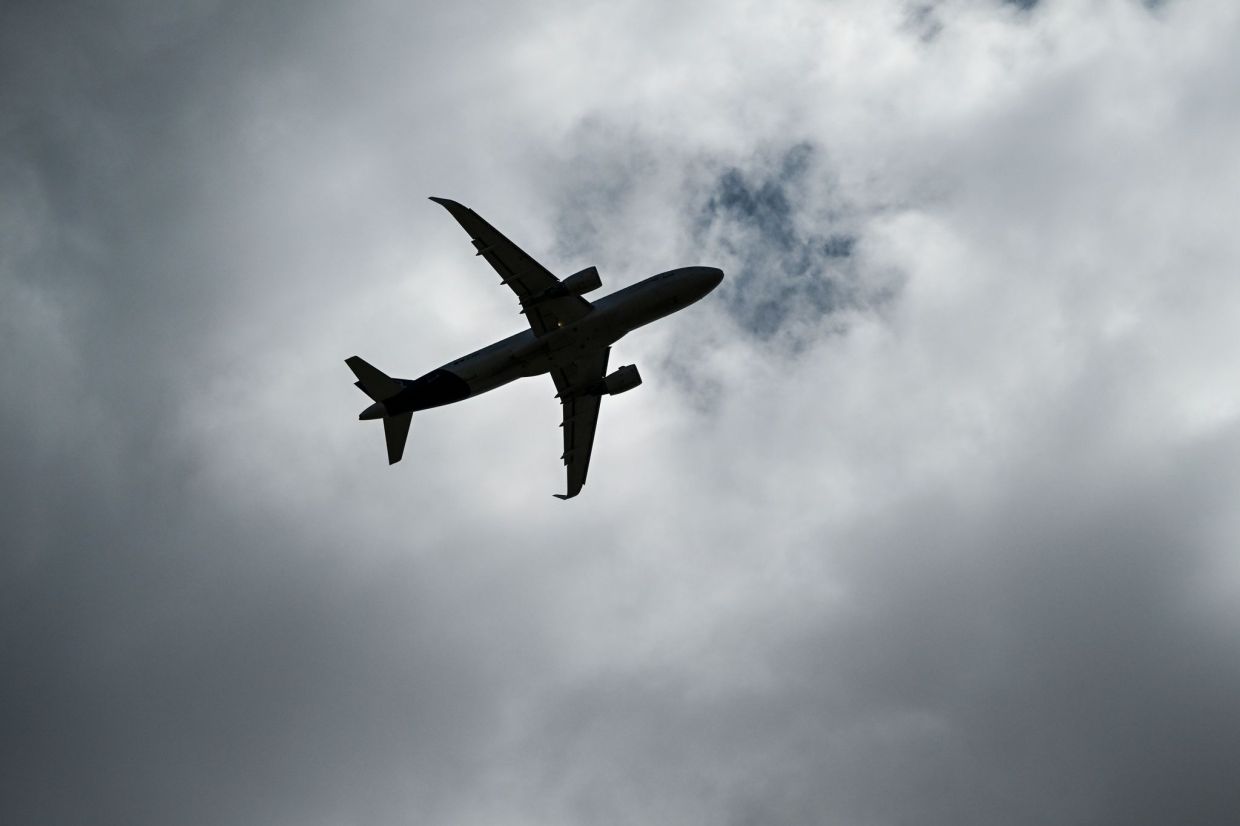
A Swiss International Air Lines aircraft carrying 206 passengers experienced an in-flight emergency when a power bank ignited, forcing the transatlantic service from Zurich to Boston to divert and land in Dublin. The incident underscores growing concerns within aviation about lithium-ion battery safety at high altitude, a challenge that has escalated sharply enough to warrant immediate regulatory responses across major airline groups.
This marks the second occurrence within a fortnight involving electronic device malfunction aboard Lufthansa Group carriers. Both incidents highlight the critical importance of proper storage and handling protocols for portable power devices, equipment that has become nearly ubiquitous among modern travellers yet remains poorly understood in terms of fire risk. The pattern has prompted airlines to reinforce safety messaging ahead of peak travel seasons, when passenger volumes and the prevalence of personal electronics reach their highest levels.
Lufthansa Group introduced comprehensive restrictions on power banks effective from the start of 2026, policies that align with recommendations issued by leading international aviation authorities worldwide. Under these guidelines, passengers may transport a maximum of two power banks per person, but these devices are strictly prohibited from being used or charged during flight. The airline has designated only three approved storage locations: the seat pocket directly in front of the passenger, the passenger's body or clothing, or within carry-on luggage positioned under the seat.
The regulatory framework explicitly prohibits storing power banks in checked baggage or overhead compartments, citing serious fire risk. Units with capacity ratings between 100 watt-hours and 160 watt-hours require prior approval from the airline before transport. This tiered approach reflects international safety research indicating that larger batteries pose elevated hazards when confined in aircraft fuselages, where ventilation is limited and evacuation becomes problematic during cruise altitude. Approved medical devices remain exempt from these restrictions, acknowledging that certain passengers depend on battery-powered equipment for health and safety.
The Swiss flight incident activated the airline's emergency declaration protocol, which prioritises the aircraft for immediate landing clearance. However, Lufthansa clarified that declaring an emergency signal does not automatically constitute a formal emergency landing—rather, air traffic control grants priority handling to ensure the quickest possible descent to a suitable airport. Dublin's proximity to the transatlantic corridor made it the logical diversion point, where the aircraft landed safely without reported injury.
Passenger welfare received immediate attention following the landing. All 206 travellers were accommodated in hotels while Swiss arranged onward travel to their final destination. The airline's handling of the diversion reflected established protocols for managing disrupted services without compromising safety, though such diversions inevitably create cascading complications for passengers with tight connections and ground arrangements dependent on scheduled arrival times.
The preceding incident occurred in July when another Swiss flight from Zurich to New York experienced unscheduled descent into Bangor, Maine, following smoke detection in the cabin. Investigation revealed the culprit was a charging case designed for wireless headphones that had dislodged from a passenger's control and become wedged between seat structures. Mechanical damage to the battery casing triggered thermal runaway, the technical term for uncontrolled battery discharge generating heat and smoke. This sequence of events demonstrates that hazards arise not only from deliberate misuse but from simple accidents involving improperly secured items.
The convergence of two serious incidents within fourteen days has concentrated industry focus on passenger education. Airlines operating transatlantic and long-haul routes face particular urgency given the extended exposure time at altitude, where rapid response and evacuation become constrained by environmental factors. Lufthansa Group's communication strategy emphasises the critical need for travellers to review airline-specific regulations before packing, a straightforward precaution that could prevent dangerous situations entirely.
These regulations apply equally to e-cigarettes and vaping devices, which employ similar lithium-ion battery technology and present comparable fire hazards. The restrictions reflect scientific consensus from aviation safety bodies, though passenger compliance remains inconsistent across regions where awareness campaigns have been limited. Malaysian travellers heading to Europe, North America, or beyond should verify their carrier's specific policies, as requirements vary between airlines and may differ from familiar domestic regulations.
The broader context involves lithium-ion battery proliferation throughout modern life. Personal electronics have become integrated into travel routines in ways that passengers often take for granted, yet the battery technology powering these devices remains poorly understood by the general public. At sea level, thermal runaway incidents are typically contained and extinguished with conventional methods. At cruising altitude, however, fire suppression becomes significantly more challenging, and smoke evacuation depends on mechanical air exchange systems not designed for managing battery fires.
Lufthansa Group's approach—combining clear restrictions with designated storage zones and capacity thresholds—represents a measured response balancing passenger convenience against safety imperatives. The regulations neither prohibit power banks entirely nor impose excessive burdens on normal usage patterns. Instead, they establish guardrails preventing the most hazardous scenarios. Enforcement through ground staff training and passenger briefings requires investment, yet represents the most feasible approach given the prevalence of these devices.
As air travel gradually normalises following pandemic disruptions, managing emerging hazards from consumer technology will increasingly occupy airline safety committees. The incidents aboard Swiss aircraft suggest that current policies may need refinement based on operational experience. Malaysian authorities and regional carriers should monitor this situation closely, as international safety standards typically cascade through global aviation networks, eventually influencing domestic carriers' procedures. Passengers should treat airline device regulations as seriously as they would treat security screening requirements, recognising that compliance protects everyone aboard.

