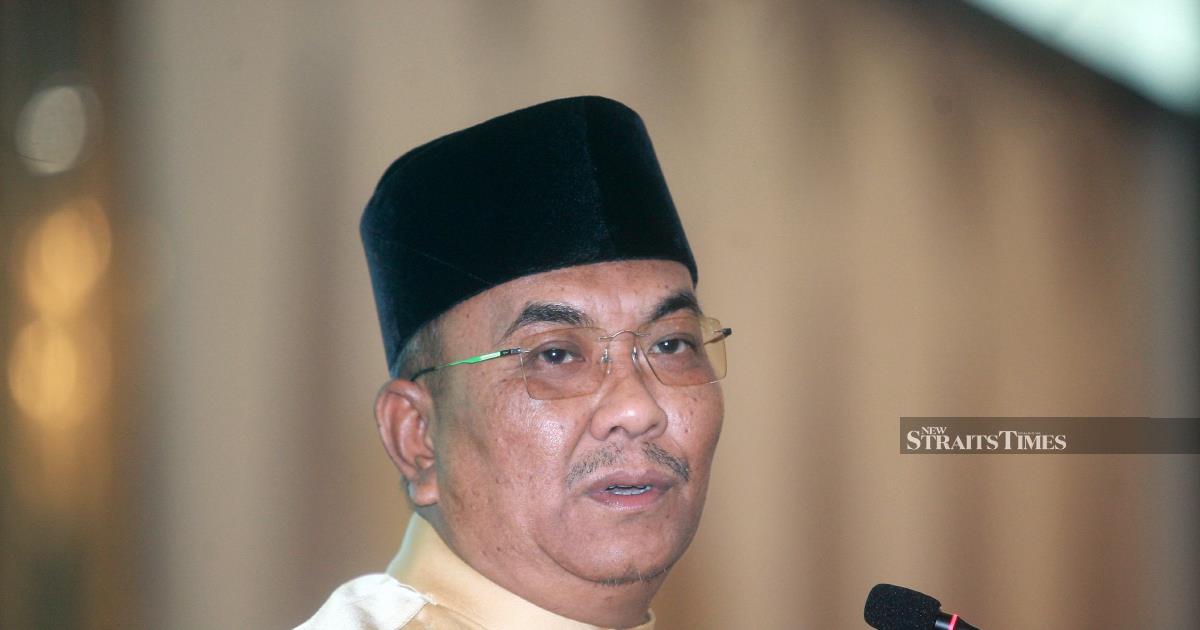
Police have announced plans to summon Kedah Menteri Besar Datuk Seri Muhammad Sanusi Md Nor and a Rembau-based Umno politician for questioning regarding statements they made during the Negri Sembilan state election campaign. The development marks an escalation in scrutiny of campaign conduct during the recent polling exercise in the state, with authorities examining whether the remarks contravened election-related laws or guidelines governing political discourse during formal campaigning periods.
The decision to call the two figures for interviews underscores the Malaysian police's role in monitoring campaign activities and investigating potential violations of electoral standards. Campaign periods, particularly during state-level contests, are subject to specific regulations designed to ensure fair competition and prevent statements deemed inflammatory, misleading, or otherwise inappropriate under electoral law. The fact that both individuals hail from Umno or Umno-aligned backgrounds adds a layer of political significance to the inquiries, as the party is one of Malaysia's major political forces.
Datuk Seri Muhammad Sanusi Md Nor's position as Kedah's chief minister brings particular weight to his involvement in the Negri Sembilan campaign. As a senior figure within his party, any statements he makes—especially those at formal campaign events in other states—attract heightened attention from regulatory authorities. His participation in campaigning across state lines is common practice among national political leaders seeking to bolster support for their coalition partners, but it also subjects such figures to greater scrutiny of their remarks.
The Rembau Umno leader's summons indicates that concerns about campaign conduct extended beyond a single individual, suggesting a pattern the authorities felt warranted investigation. Rembau, as a parliamentary constituency, may have particular importance in the broader political landscape, and statements made by its Umno representative during state election activities would naturally fall under police review if deemed potentially problematic.
Malaysia's electoral framework includes provisions addressing how political figures communicate during official campaign seasons. These rules are intended to maintain electoral integrity and prevent campaigns from descending into acrimony or misinformation that could undermine public confidence in the democratic process. When police launch inquiries into campaign remarks, they are typically responding to complaints or monitoring that suggests possible breaches of these standards.
The Negri Sembilan election itself represents a significant political moment for the state, with various coalitions competing for voter support and legislative control. Campaign activity intensifies during such contests, with politicians from across Malaysia often travelling to support local candidates aligned with their parties. This interconnected campaign ecosystem means that statements made by figures like Datuk Seri Muhammad Sanusi Md Nor in Negri Sembilan can have ramifications reaching back to their home states and national politics more broadly.
For Malaysian readers, the summonses highlight the ongoing tension between freedom of political expression and regulatory oversight of campaign conduct. While politicians require latitude to communicate their political positions and critique opponents, authorities also maintain responsibility for ensuring campaigns conform to legal and ethical standards. The specific nature of the remarks that triggered these inquiries remains a focal point, as different statements warrant different levels of concern depending on their content and potential impact.
The involvement of police rather than the Election Commission in these inquiries may reflect the nature of the alleged violations. While the Election Commission oversees electoral procedures and ballot management, police typically investigate statements potentially violating criminal law or laws governing public conduct. This distinction between regulatory and law-enforcement response is crucial to understanding how Malaysia's electoral system operates during active campaigning.
Such developments can influence broader political dynamics, particularly if the summonses are viewed differently by various communities or political constituencies. The manner in which police conduct their investigations and the conclusions they reach can shape perceptions about whether enforcement of electoral standards is applied fairly across political lines. This perception of fairness is vital for maintaining public trust in Malaysia's electoral processes and police institutions.
The summonses also come at a time of heightened attention to campaign standards following various contests across Malaysia. As the country continues to hold elections at state and federal levels, questions about acceptable campaign conduct, rhetoric, and the boundaries of political speech remain subjects of public debate and regulatory focus. The Negri Sembilan case will likely serve as a reference point for understanding how authorities interpret and enforce these standards moving forward.
For political observers across Southeast Asia, Malaysia's approach to monitoring campaign conduct offers insights into how democracies in the region balance political freedoms with regulatory frameworks. The willingness of authorities to scrutinise statements by senior figures demonstrates that no politician operates entirely beyond electoral oversight, though questions persist about consistency and impartiality in application of these standards across different political parties and individuals.

