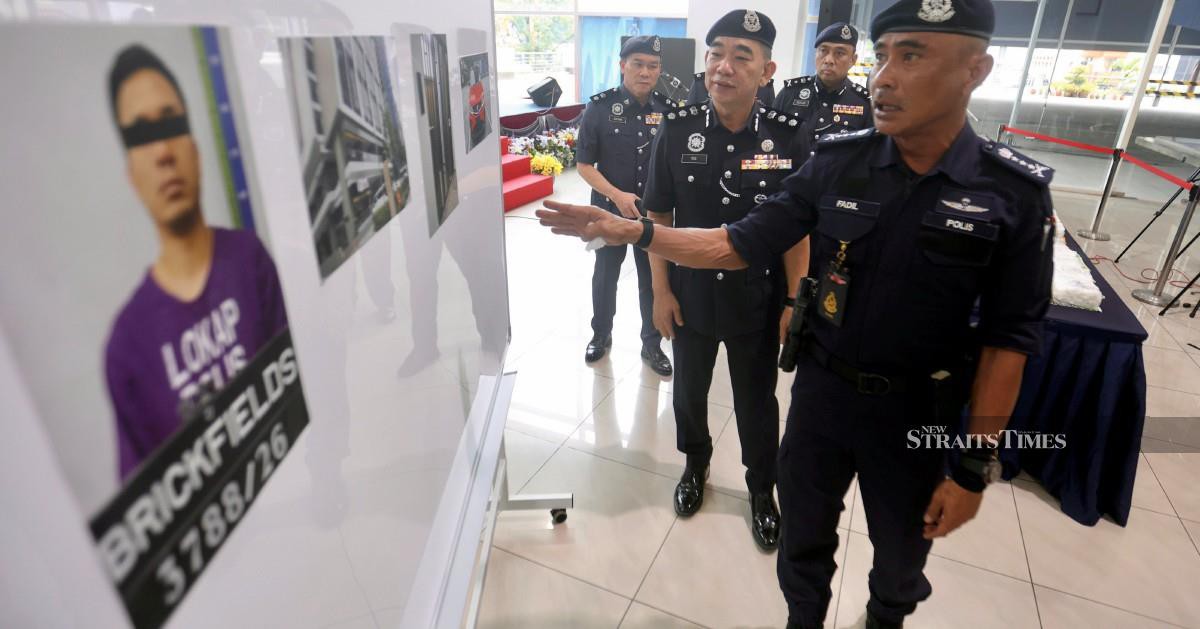
A significant drug trafficking network operating in central Kuala Lumpur has been disrupted following a coordinated police operation that yielded one of the region's notable recent drug seizures. The Brickfields operation resulted in the confiscation of nearly 80 kilogrammes of methamphetamine and 30 kilogrammes of ecstasy, with combined drug and asset values reaching RM8.3 million. The bust represents a substantial blow to organized drug distribution networks that have increasingly targeted the Klang Valley corridor.
The operation underscores the persistent challenges Malaysian law enforcement faces in combating sophisticated transnational drug trafficking syndicates. Brickfields, traditionally identified as a transit and distribution hub within the capital's drug supply chain, continues to draw the attention of narcotics officers despite enhanced policing efforts over recent years. The neighbourhood's accessibility, dense commercial activity, and proximity to transportation networks make it strategically valuable for traffickers seeking to move products toward consuming markets across the peninsula.
The foreign national arrested during the operation is currently assisting with investigations that authorities expect will yield intelligence on broader trafficking connections. International collaboration between Malaysian authorities and neighbouring intelligence agencies has increasingly become essential in tracing the upstream sources of methamphetamine and synthetic designer drugs entering Southeast Asia. The profile of this operation—involving substantial quantities of both traditional stimulants and newer psychoactive substances—reflects how trafficking organizations have diversified their product portfolios to maximize profit across different consumer demographics.
Methamphetamine remains the narcotic of greatest concern for regional drug enforcement bodies. The drug's manufacture in clandestine laboratories across the Golden Triangle and its subsequent distribution through established smuggling corridors has made it the primary challenge for law enforcement throughout Malaysia and Southeast Asia. The 80-kilogramme seizure in this operation, while substantial, represents only a fraction of the estimated quantities transiting the region monthly. Street-level retail value of such quantities typically exceeds the wholesale drug value assessed by authorities, indicating significant profit margins that sustain trafficking operations despite regular interdictions.
Ecstasy seizures have gained prominence in Malaysian enforcement statistics as recreational drug consumption patterns have shifted among younger populations and in entertainment districts. The 30-kilogramme haul suggests this particular network catered to multiple market segments, from established methamphetamine users to the nightlife and entertainment venue clientele that drives demand for MDMA and related compounds. This diversification strategy complicates enforcement efforts, as it requires tailored intelligence gathering and disruption approaches targeting distinct distribution chains and customer bases.
The asset value component of the RM8.3 million figure likely includes vehicles, cash, communications equipment, and property involved in the trafficking operation. Malaysian authorities have progressively emphasized asset seizure and forfeiture as complementary enforcement tools alongside criminal prosecution, recognizing that disrupting a trafficker's infrastructure and financial capacity produces deterrent effects beyond imprisonment alone. These proceeds typically fund subsequent counter-narcotics operations and community drug prevention initiatives across enforcement agencies.
Brickfields has witnessed intensified police presence following establishment of enhanced surveillance protocols and intelligence-sharing arrangements among federal and state-level enforcement bodies. The area's cultural and commercial prominence—housing significant Indian-Malaysian business communities, religious establishments, and transport connections—means that large-scale police operations must be executed with sensitivity to legitimate commercial activity and community concerns. The timing and execution of this particular raid demonstrate coordination capabilities that have improved within the Royal Malaysian Police's drug enforcement divisions.
The arrest and ongoing investigation will likely generate intelligence regarding distribution networks extending beyond Brickfields toward secondary markets in other Klang Valley municipalities and beyond. Traffickers apprehended with quantities of this magnitude typically maintain records or communications revealing downstream contacts and payment arrangements. Digital forensics applied to seized mobile devices and computers have increasingly become critical intelligence sources, allowing investigators to map entire supply chain structures and identify priority targets for subsequent operations.
Southeast Asia's position as both a transit corridor and emerging consumption market for synthetic drugs ensures that operations like this Brickfields bust will remain routine rather than exceptional components of the regional law enforcement landscape. The international nature of modern drug trafficking—involving production in Southeast Asian laboratory networks, transport through maritime routes and land crossings, and distribution in urban centers throughout the region—requires Malaysian authorities to maintain sustained enforcement pressure while simultaneously developing longer-term supply reduction strategies targeting manufacturing capacity upstream.

