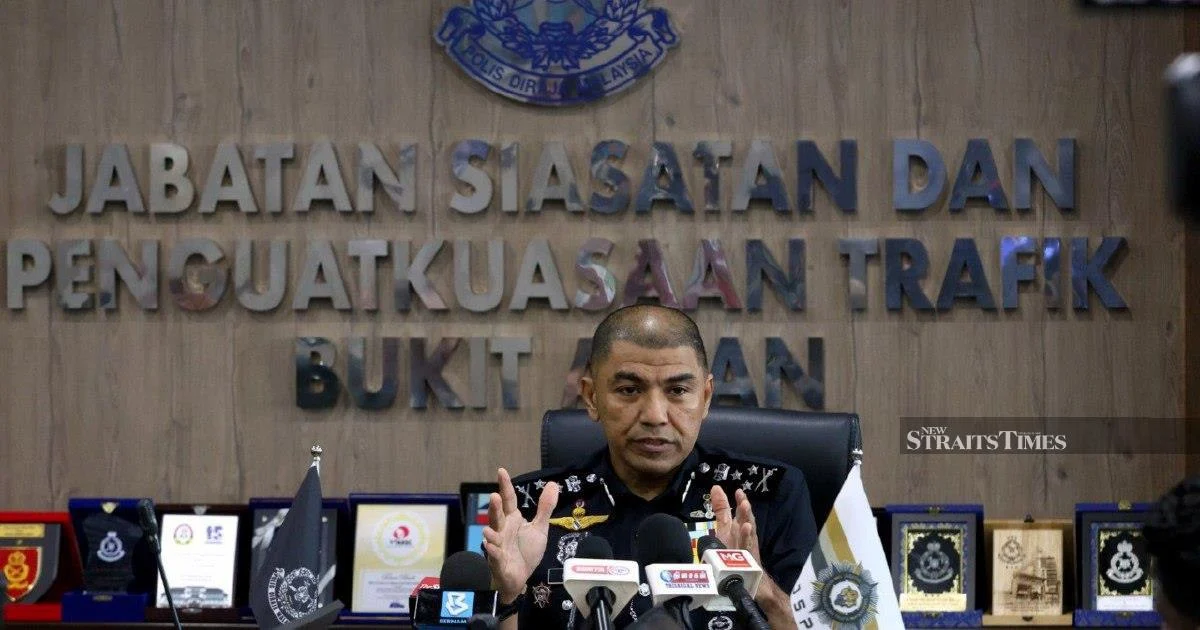
Police have arrested 121 commercial vehicle drivers across Malaysia for allegedly operating their vehicles while impaired by drugs, according to a nationwide enforcement operation conducted over a three-month period. The arrest figures underscore growing anxiety within law enforcement and transport safety circles regarding substance abuse among those piloting heavy goods vehicles, tankers, and passenger buses on Malaysian roads.
The scale of the crackdown reflects intensified efforts by authorities to combat a persistent safety hazard that endangers not only drivers themselves but also other road users. Commercial vehicles operating under drug influence present a particularly acute public safety concern given their size, weight, and the critical role they play in Malaysia's logistics and transportation networks. An impaired heavy vehicle operator navigating expressways or congested urban routes poses exponentially greater risks of catastrophic accidents compared to a compromised passenger vehicle driver.
The three-month duration of this enforcement operation suggests a coordinated, sustained approach rather than ad-hoc spot-checks. Such sustained campaigns typically involve multiple police jurisdictions, checkpoints on major routes, and enhanced screening protocols at transport hubs. The scale and reach of catching 121 offenders indicates that authorities deployed considerable resources across peninsular Malaysia and possibly East Malaysia to identify and apprehend suspects.
The prevalence of drug use among commercial drivers reflects broader societal substance abuse patterns but carries specific occupational dimensions. Long-distance driving schedules, irregular working hours, and pressure to meet tight delivery deadlines create conditions where some operators may resort to stimulants to maintain alertness. Methamphetamine and other controlled substances offer a dangerous shortcut to combating fatigue, though they fundamentally impair judgment and reaction times—the very capacities most critical for safe vehicle operation.
For Malaysia, where the transport and logistics sector represents a substantial economic component, such enforcement actions carry implications beyond public safety. Operators convicted of drug-related driving offences face potential license suspensions or revocations, creating workforce disruptions in freight and passenger transport. Insurance implications also ripple through the industry, as insurers adjust risk assessments and premiums for operators and companies with tainted records.
The arrest figures warrant contextualisation within Malaysia's broader road safety metrics. Commercial vehicle accidents feature prominently in national road fatality statistics, and substance impairment stands as one contributing factor among speeding, fatigue, and poor maintenance. However, pinpointing the exact proportion of accidents attributable to drug-impaired commercial drivers remains challenging without comprehensive accident investigation data that systematically screens for narcotics involvement.
Police operations of this magnitude typically employ roadside drug testing kits, saliva screening, or field sobriety assessments to identify suspects for further laboratory confirmation. The arrested individuals would face toxicology testing to establish drug presence and concentration levels, with proceedings following Malaysia's drug laws and road traffic legislation. Depending on substance type and blood concentration thresholds, charges may range from driving under the influence to more serious drug possession allegations.
The enforcement operation's timing and intensity may reflect intelligence regarding hotspots or periods when impaired driving occurs frequently among commercial operators. Night-time operations on major economic corridors—such as the North-South Expressway, East Coast routes, or routes connecting port facilities—likely formed part of the strategy, as heavy commercial traffic peaks during specific hours and many operators undertake night journeys to avoid daytime congestion.
Stakeholder responses will shape what happens next. Transport associations and logistics companies may face pressure to implement stricter internal monitoring, fatigue management systems, and potentially mandatory drug testing for their workforces. Regulatory bodies could tighten conditions for commercial vehicle operator licenses or route permits. Public health authorities might expand harm reduction or addiction support services targeting occupational groups with documented substance abuse patterns.
The enforcement operation also sends a symbolic message to an industry accustomed to operating with considerable autonomy on Malaysia's roads. Commercial drivers occupy a distinctive position: heavily regulated yet often working in dispersed, difficult-to-monitor circumstances. Visible police action against drug-impaired operators reinforces that the state maintains capacity and willingness to enforce transport safety standards, potentially influencing voluntary compliance among operators weighing risk-benefit calculations.
Deriving meaningful lessons from these arrests requires understanding the broader ecosystem surrounding commercial driver behaviour. Root causes—whether stemming from addiction, economic desperation, inadequate rest facilities, workplace pressure, or limited drug treatment access—differ from enforcement-only approaches. Comprehensive solutions addressing both supply reduction and demand-side factors through treatment, occupational support, and workplace culture change typically prove more effective than enforcement alone in reducing substance-related impaired driving over the long term.
The crackdown's success ultimately depends on whether arrests translate into sustained behavioural change and reduced incidence of drug-impaired commercial driving. Prosecution outcomes, public awareness campaigns, and integration of lessons into driver training and licensing standards will determine whether this operation constitutes an isolated enforcement action or the foundation for systematic improvement in commercial transport safety.

