Malaysian law enforcement authorities have launched a formal investigation into a death that occurred while an individual remained in police custody, following escalating concerns raised by human rights watchdog Suaram regarding potential misconduct and mistreatment. The development marks another high-profile scrutiny of detention practices within the country's criminal justice system at a time when civil society organisations continue to flag concerns about safeguards and oversight mechanisms.
Suaram, which operates as an independent human rights monitoring organisation, has meticulously documented allegations suggesting that abuse may have accompanied the circumstances surrounding the death. Such documentation by established rights groups carries particular weight in the Malaysian context, where transparency in detention facilities has remained an ongoing point of contention between government agencies and accountability advocates. The emergence of these allegations underscores persistent tensions between security operations and international human rights standards that Malaysia has committed to upholding.
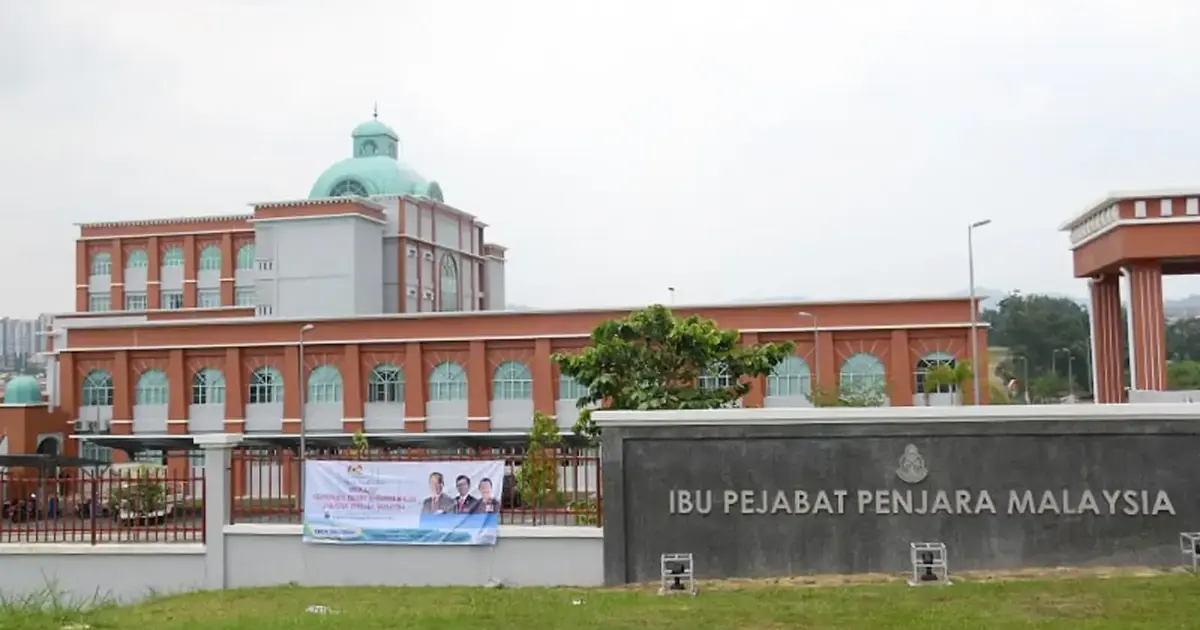
The Prisons Department, the state institution responsible for managing correctional facilities nationwide, has issued a statement emphasising its commitment to full participation in all investigative proceedings. This cooperative stance reflects acknowledgement of the seriousness with which such allegations are being treated by relevant authorities. The department's willingness to facilitate inquiries represents an important procedural step, though rights groups typically maintain that transparency must extend beyond passive cooperation to include proactive disclosure and external oversight mechanisms.
For Malaysian readers and observers across Southeast Asia, custodial deaths and allegations of abuse represent a recurring challenge within regional criminal justice systems. These incidents periodically generate international attention and criticism from bodies such as the United Nations, which has repeatedly called upon member states to strengthen protections for individuals in state custody. Malaysia's response to the current investigation will likely influence both domestic perceptions of institutional accountability and the country's standing within regional human rights frameworks.
The timing of this inquiry coincides with broader regional and international scrutiny of detention practices. Several Southeast Asian nations have faced criticism for inadequate oversight of police facilities and prisons, with documented cases suggesting that deaths in custody sometimes occur without transparent investigation or accountability. Malaysia's commitment to conducting a thorough examination of the circumstances could establish a constructive precedent, provided the investigation achieves genuine independence and produces publicly accessible findings.
Suaram's role in bringing these allegations to light exemplifies the monitoring function that independent human rights organisations perform within democracies. By systematically collecting evidence and documentation, such groups create pressure for institutional accountability that might otherwise remain absent. The organisation's engagement with this specific case demonstrates how civil society participation remains indispensable for investigating sensitive matters involving state actors and vulnerable individuals within detention systems.
The investigation's scope will likely encompass the immediate medical and physical circumstances of the death, as well as the broader conditions under which the individual was held. Questions regarding access to legal counsel, medical care, and adherence to custodial protocols typically form central components of such inquiries. The thoroughness with which investigators address these dimensions will substantially influence whether the outcome produces meaningful accountability and procedural improvements.
For the Malaysian public and international observers, the investigation's eventual findings and any resulting institutional reforms will serve as indicators of the government's genuine commitment to upholding custodial safeguards. Previous cases within Malaysia and across the region have sometimes resulted in investigations that conclude without producing actionable reforms or clear accountability measures, generating scepticism about the adequacy of official mechanisms. This particular inquiry therefore represents an opportunity for demonstrating that institutional accountability can function effectively within Malaysia's governance structures.
The prisons department's call for restraint in public speculation reflects standard official practice, yet it simultaneously underscores the transparency challenge inherent in sensitive investigations. Civil society organisations and media scrutiny play essential roles in ensuring that inquiries maintain momentum and resist pressure to conclude without substantive findings. The balance between allowing investigative processes to proceed without prejudgement and maintaining public accountability remains a persistent tension within Malaysian institutional practices.
Looking forward, this case may inform broader discussions within Malaysia and Southeast Asia regarding the establishment of more robust independent oversight mechanisms for detention facilities. Many analysts have advocated for civilian review boards, mandatory external inspections, and enhanced legal protections for individuals in custody. Whether this particular investigation catalyses such systemic improvements will partly depend on how thoroughly authorities pursue accountability and whether their findings lead to concrete policy adjustments and legislative reforms.

