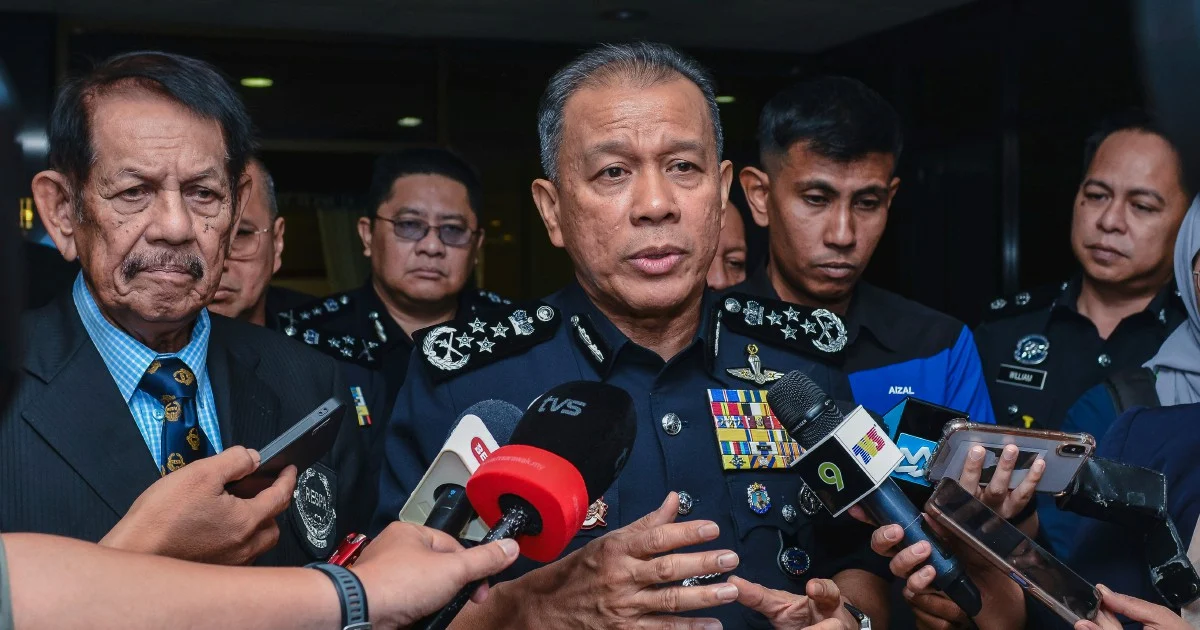
The Royal Malaysian Police have opened a formal disciplinary investigation into one of its officers following widespread social media circulation of a video in which he allegedly made insulting remarks directed at local residents during an official visit to China, according to a statement from the Inspector-General of Police.
The incident has drawn considerable public attention across Malaysian social media platforms, where the video rapidly accumulated views and sparked heated discussion about the conduct and professionalism expected of law enforcement personnel representing the country abroad. The controversy underscores growing scrutiny of how police officers conduct themselves when travelling internationally, particularly in sensitive neighbouring countries where their actions can have diplomatic implications.
The disciplinary process represents a standard internal response by the Royal Malaysian Police to allegations of misconduct involving its personnel. Such investigations typically examine whether the officer's behaviour violated the force's code of conduct and professional standards, potentially resulting in formal sanctions if wrongdoing is substantiated. The decision to pursue formal proceedings signals that police leadership has determined the allegations warrant serious consideration rather than dismissal.
International conduct by law enforcement officials carries particular weight in Malaysia's foreign relations, especially regarding neighbouring countries like China. Any incident perceived as disrespectful toward local populations can generate diplomatic friction and damage Malaysia's reputation. The police force is acutely aware that officers abroad serve as unofficial ambassadors, and their actions reflect upon the entire nation's standing in the international community.
The timing of the investigation highlights the Malaysian authorities' commitment to addressing public concerns swiftly. In an era where viral videos can shape public opinion within hours, police leadership recognizes that delayed response or perceived inaction could amplify criticism and erode public confidence in the force's ability to maintain internal discipline. The proactive approach suggests the Inspector-General's office is attempting to demonstrate that misconduct allegations receive appropriate attention regardless of rank or circumstances.
Social media's role in bringing the incident to official attention reflects broader changes in how misconduct becomes visible in Malaysia. Previously, such incidents might have remained localized or unexamined; now, rapid sharing across platforms creates immediate public pressure for institutional response. This dynamic has fundamentally altered the accountability landscape, making it significantly harder for organizations to overlook potential breaches of conduct standards.
The allegation's nature—allegedly insulting conduct toward civilians—strikes at the heart of police-community relations. Even in foreign contexts, officers are expected to maintain respectful demeanor and refrain from offensive remarks. Such behaviour can reinforce negative stereotypes about Malaysian law enforcement and contradict the force's stated commitment to professional standards and courteous public interaction. The investigation will likely examine whether the officer's conduct violated specific provisions of police regulations governing officer behaviour.
For Malaysian officials and citizens, the incident raises questions about overseas training programmes and posting assignments. Many police personnel undertake international duties, including training exchanges, bilateral meetings, and conference attendance in countries throughout Asia and beyond. This investigation may prompt broader institutional review of guidance provided to officers before they travel internationally, ensuring they understand the expectations and potential consequences of their conduct abroad.
The diplomatic dimension cannot be overlooked. China remains a crucial economic and strategic partner for Malaysia, and maintaining positive working relationships between law enforcement agencies of both nations is valuable. Any suggestion that Malaysian police officers disrespect Chinese citizens could, if left unaddressed, create tension in bilateral security cooperation. The decision to investigate signals to Chinese counterparts that Malaysia takes such matters seriously and maintains professional standards.
The investigation's outcome will carry significance beyond the individual officer involved. If substantiated misconduct is confirmed, the case may inform future disciplinary precedent and potentially trigger updates to guidelines governing overseas conduct. Conversely, if the investigation determines the allegations were exaggerated or misconstrued, the findings could provide useful perspective on how social media can amplify isolated incidents into broader controversies.
For the officer under investigation, the disciplinary process represents a significant moment that could affect his career trajectory and professional standing. Depending on findings, outcomes could range from formal warning or reprimand to more serious sanctions. The process will likely include opportunity for the officer to present his account of events, a fundamental principle of natural justice in Malaysian disciplinary proceedings.
The broader implications extend to how Malaysian institutions respond to public pressure transmitted through digital platforms. This investigation demonstrates that viral videos can trigger institutional action, a reality with both positive and cautionary dimensions. While it ensures accountability for genuine misconduct, it also means officers and officials face heightened scrutiny where context and complete information may become secondary to immediate public reaction.
Moving forward, this case will likely become a reference point in discussions about professional standards in Malaysian law enforcement and the responsibilities officers carry when representing the country internationally. Police leadership will need to balance supporting personnel who operate in complex overseas environments with maintaining institutional accountability and public confidence in the force's commitment to professional conduct.