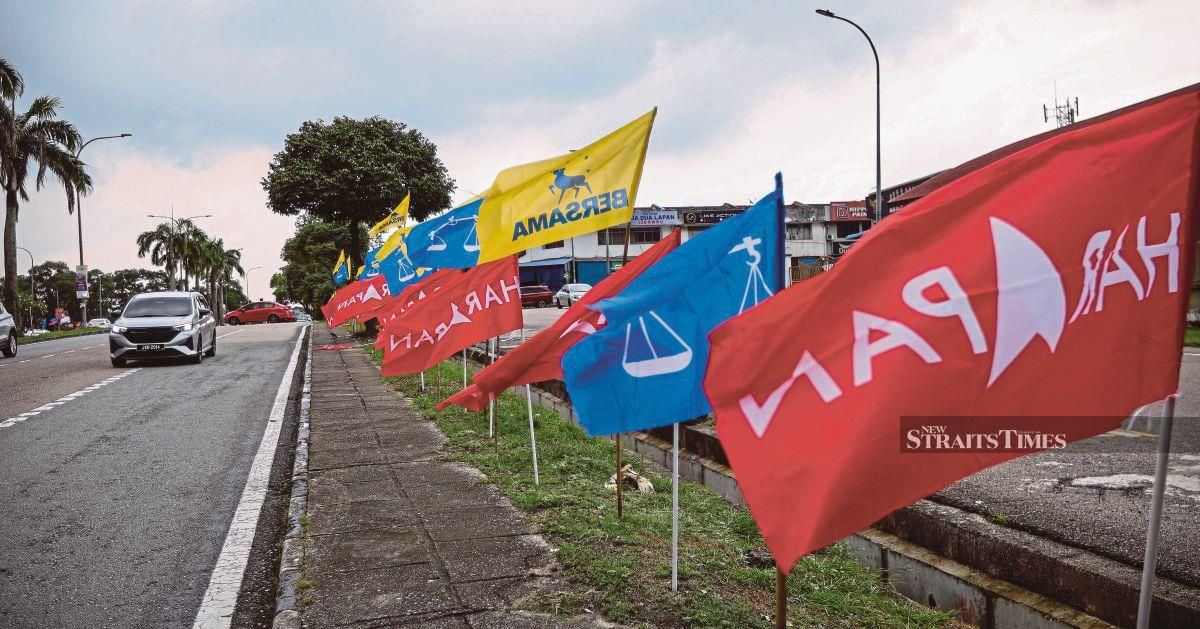
Police investigating the conduct of Johor's 16th state election have opened formal investigation papers into 18 alleged breaches of election law, following a campaign period that stretched from 27 July through to recent days. The development reflects growing scrutiny of political conduct in Malaysia's southern state during what proved to be an extended and closely watched electoral contest. Among the 56 complaints lodged with authorities, 18 met the threshold for official probe initiation, underscoring the law enforcement response to accusations of wrongdoing across the political spectrum.
The decision to launch formal investigations rather than treat all complaints as mere reports signals the seriousness with which police are treating the allegations. Election offence cases in Malaysia typically encompass a broad range of prohibited conduct, from improper use of state machinery and premature campaigning through to breaches of electoral advertising rules and intimidation of voters. The threshold for opening a paper—rather than simply recording a report—suggests authorities determined sufficient prima facie evidence existed to warrant active investigation into these 18 matters.
Johor elections hold particular significance within Malaysia's political landscape. The state, governed by the sultry of Johor and home to over 4 million people, represents a crucial battleground where national political trends often crystallise into tangible electoral outcomes. The 16th election was no exception, attracting intense campaign activity from multiple coalitions and parties vying for legislative control. This heightened competition typically correlates with elevated risk of electoral misconduct, as competing factions jockey for advantage through both legitimate campaigning and occasionally questionable tactics.
The campaign period's length reflects the statutory requirements governing Malaysian state elections. The formal campaign window, running from late July through to the polling day announced by the Sultan, provides candidates and parties with a defined period within which electoral activities are permitted and regulated. Complaints arising during this window fall under the jurisdiction of the Election Commission and law enforcement authorities tasked with ensuring compliance with electoral law. The receipt of 56 separate reports across this timeframe suggests the electorate remained vigilant in monitoring campaign conduct.
Election offences in Malaysia are prosecuted under the Elections Offences Act 1954 and related legislation, with penalties ranging from fines to imprisonment depending on offence severity. Common violations include premature campaign activity, misuse of government resources, bribery, treating, undue influence, and breaches of spending limits. The specific nature of the 18 investigation papers opened by Johor police remains undisclosed pending investigation completion, though past election cycles have seen charges brought across this spectrum of conduct.
For Malaysian voters, the initiation of police investigations underscores the law enforcement apparatus's role in protecting electoral integrity. Public confidence in election administration depends partly on visible action against alleged breaches. However, the gap between 56 reports and 18 investigations also raises questions about complaint filtering—whether legitimate concerns were dismissed or whether some reports lacked sufficient merit for formal investigation. Such transparency issues remain persistent across Malaysian electoral processes.
The political implications of these investigations merit consideration. Depending on which parties or candidates face investigation, outcomes could influence voter perceptions of fairness and law enforcement impartiality. Malaysia's electoral history includes periodic accusations that investigations and prosecutions disproportionately target opposition figures, though individual case circumstances require examination before drawing broader conclusions. The investigations' trajectory will therefore merit close monitoring by election observers and civil society organisations.
From a regional perspective, Johor's electoral conduct reflects broader Southeast Asian trends in political competition. As democratic processes mature across the region, attempts to police electoral conduct have intensified, yet enforcement remains inconsistent and sometimes controversial. Malaysia's approach—combining the Elections Commission's administrative oversight with police criminal investigation—represents one model, though critics argue integration could improve coordination and reduce opportunities for political manipulation of the investigative process.
The investigation papers opened by Johor police will now proceed through normal procedures, with detectives gathering evidence, interviewing witnesses, and preparing case files for prosecution consideration. Depending on findings, the Public Prosecutor may decide to charge or discontinue matters. This process typically unfolds over weeks or months, extending well beyond the election campaign itself. Voters and political stakeholders will watch whether investigations proceed fairly and reach transparent conclusions.

