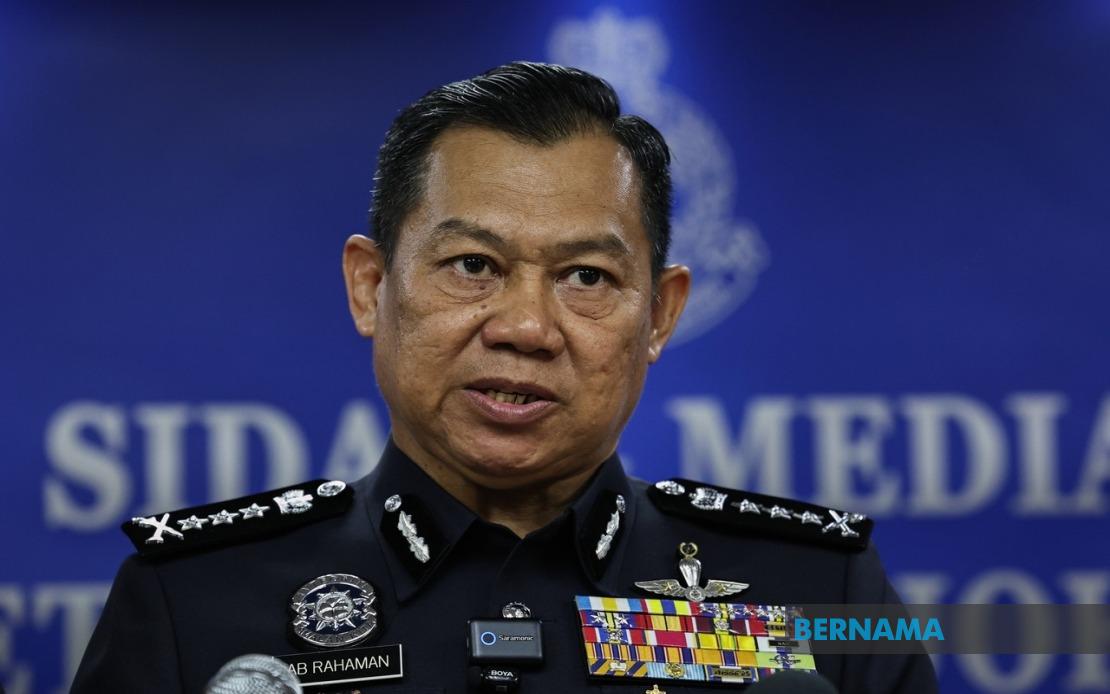
The Royal Malaysia Police (PDRM) is preparing for a substantial security operation ahead of the Johor State Election, committing nearly 12,000 personnel to maintain order and oversee a smooth electoral process. According to Johor Police Chief Datuk Ab Rahaman Arsad, this large-scale deployment represents a comprehensive approach to safeguarding the election, with personnel distributed strategically throughout the voting period to respond to operational requirements as they arise.
The security operation will unfold across five distinct phases, each calibrated to address different stages of the electoral cycle. Rather than maintaining a static force throughout, the PDRM has designed its deployment structure to flex according to the specific demands of each phase—from pre-election activities through polling day and beyond. This phased methodology allows the police force to concentrate resources where they are most needed while maintaining overall readiness across the state.
Datuk Ab Rahaman revealed the deployment strategy during a media briefing held at the Johor Police Contingent Headquarters, emphasising that police strength would be adjusted dynamically based on ground conditions and operational necessities. The flexibility embedded in the deployment plan reflects lessons learned from previous state-level elections, where rigid force structures sometimes left gaps in critical areas while over-stationing personnel in quieter zones. By building in capacity for real-time reallocation, the police aim to respond more effectively to emerging situations.
Beyond the core PDRM contingent, the Johor police operation will benefit from reinforcement by specialised federal units operating under the Internal Security and Public Order Department (KDNKA). These support forces represent a complementary layer of enforcement capability, bringing expertise in crowd management, rapid response, and public order maintenance. The total auxiliary force comprises 54 officers and 701 personnel drawn from several elite units, each contributing specific operational strengths to the overall security framework.
The General Operations Force (GOF), known for its counterinsurgency and crowd control expertise, will provide a significant portion of the reinforcements. This unit's experience in managing large gatherings and tense public situations makes it particularly valuable during elections, when large crowds assemble at polling stations and campaign events. The Federal Reserve Unit brings similarly sophisticated capabilities in rapid deployment and tactical response, while the PDRM Air Unit and Marine Police Force add surveillance and mobility dimensions critical for a geographically diverse state like Johor.
The deployment of nearly 12,000 total personnel underscores official recognition that state elections demand substantial security infrastructure. In Malaysia's federal context, state elections typically attract high voter engagement, significant political passion, and potential flashpoints around polling stations. The scale of this Johor operation signals that authorities anticipate robust participation and remain vigilant against any incidents that might disrupt the democratic process or undermine public confidence in electoral integrity.
For Malaysian voters and the broader public, the visible police presence during elections often serves dual purposes: it deters potential troublemakers while also reassuring citizens that authorities take election security seriously. However, the challenge lies in striking the right balance—sufficient deployment to maintain order without creating an atmosphere of intimidation that might discourage legitimate voting or peaceful political assembly. The multi-phase approach suggests the PDRM has attempted to calibrate this balance, concentrating resources during high-risk periods while maintaining a lighter footprint at other times.
Regionally, Malaysia's approach to election security reflects patterns seen across Southeast Asia, where police deployments during electoral events have become standard practice. Countries including Thailand, Indonesia, and the Philippines have all deployed comparable or larger security forces during state and national elections. The Malaysian model, emphasising phased deployment and specialised unit support, represents a relatively measured approach that maintains democratic norms while acknowledging legitimate security requirements.
The integration of federal paramilitary units into a state police operation also highlights the vertical coordination mechanisms within Malaysia's security apparatus. The involvement of KDNKA-controlled forces suggests that federal authorities view the Johor election as significant enough to warrant their attention, even though state elections typically fall primarily under state police jurisdiction. This layered command structure, while potentially complex, enables information sharing and resource optimisation across different security agencies.
Maintaining public order during elections in Johor carries particular weight given the state's economic importance, large population, and history of competitive political contests. Any disruption to the electoral process or post-election violence could have ripple effects throughout the state's commercial and social fabric. The substantial deployment reflects this understanding, positioning security forces to prevent rather than merely respond to potential incidents.
From an electoral administration perspective, the presence of extensive police deployment creates both opportunities and considerations. While officers can assist with crowd management and physical security at polling stations, they must remain strictly neutral and avoid any appearance of partisan influence. The PDRM's professional standards and training are designed to meet this challenge, though tensions between security imperatives and electoral impartiality remain an ongoing consideration in Malaysian electoral management.
Looking forward, the success of this deployment will likely inform future state election planning across Malaysia. Data collected on force utilisation across the five phases, incident rates, and resource efficiency will provide valuable insights for tailoring security operations to specific state contexts. As Malaysia continues to manage increasingly complex electoral environments with rising voter awareness and political engagement, the mechanisms for balancing security with democratic freedom will remain central to maintaining both electoral integrity and public confidence in the process.