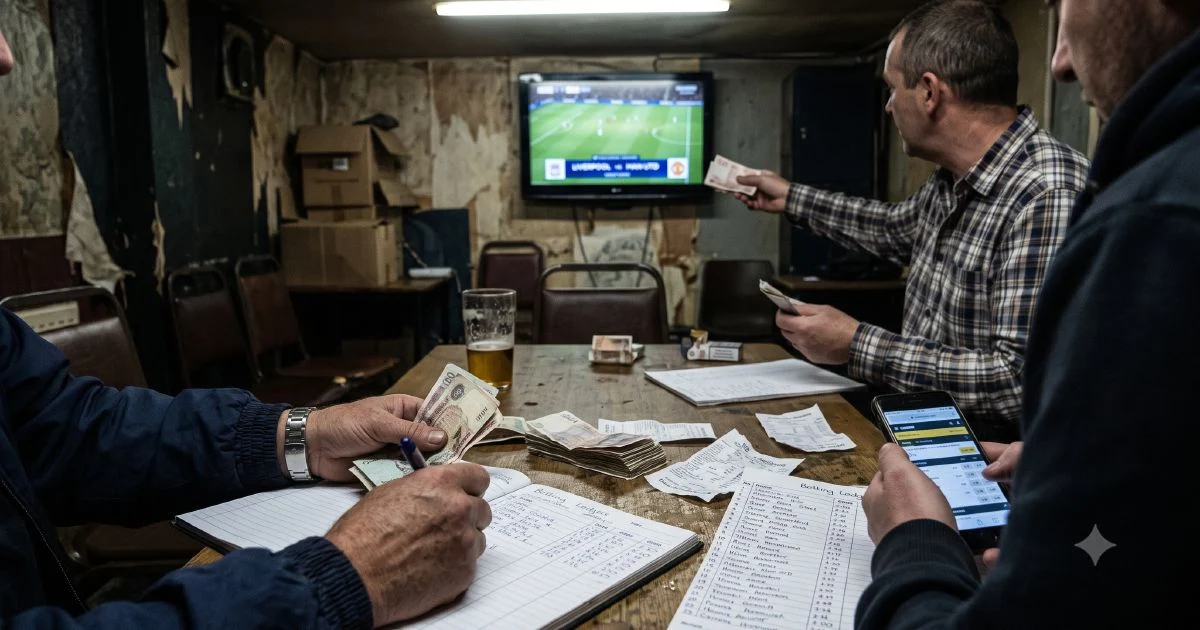
Authorities in Malaysia have intensified enforcement against underground gambling networks following the arrest of 331 individuals connected to illegal betting operations centred on the upcoming FIFA World Cup 2026. The coordinated nationwide operation, designated Op Soga XI, has proven to be a significant intervention against unlicensed gambling syndicates, with investigators uncovering betting transactions totalling more than RM2.63 million during the campaign.
The scale of the crackdown reflects growing concerns among Malaysian law enforcement regarding the proliferation of illegal sports betting infrastructure, particularly as major international sporting events generate substantially higher gambling activity. The FIFA World Cup, with its global reach and passionate fan base across Southeast Asia, has historically attracted considerable illicit betting operations that operate outside regulatory frameworks. By targeting these networks proactively, police aim to disrupt operations before the tournament attracts even larger volumes of underground wagers.
Unlicensed gambling in Malaysia remains a persistent challenge for authorities, operating through networks that often employ sophisticated methods to evade detection. These underground operations circumvent legal betting channels, depriving the government of tax revenue whilst simultaneously exposing participants to fraud, money laundering, and organised crime elements. The coordination demonstrated through Op Soga XI suggests a recognition amongst enforcement agencies that comprehensive, multi-jurisdiction actions prove more effective than isolated local operations.
The enforcement action carries particular significance for Malaysia's regulatory environment surrounding gambling. The country maintains strict licensing requirements for lawful sports betting, which has created a substantial gap between legal and illegal operations. This underground market flourishes partly because legitimate channels remain limited, driving bettors towards unlicensed operators who often offer more favourable odds or higher betting limits to attract customers. The tension between demand and legal supply continues to fuel organised gambling networks.
World Cup tournaments specifically catalyse betting activity across Asia, given the global prominence of the competition and the substantial prize pools associated with major tournaments. The 2026 World Cup, which will be hosted across the United States, Canada, and Mexico, represents the first expansion to a 48-team format, potentially extending match schedules and creating additional betting opportunities. Malaysian authorities evidently recognise that preparation must begin well in advance to contain illegal betting infrastructure before tournament momentum builds.
The RM2.63 million in uncovered transactions likely represents only a fraction of actual illegal betting volumes, as sophisticated operators typically maintain encrypted communications and distributed payment systems designed to obscure the full extent of their activities. This suggests the detected amount serves as an indicator of substantially larger underground markets that continue operating despite law enforcement intervention. The figure underscores the commercial scale upon which these networks operate and their capacity to mobilise capital.
Organised crime elements frequently control these underground gambling operations, utilising them as mechanisms for money laundering, debt collection enforcement, and loan sharking activities. Individuals participating in unlicensed betting therefore expose themselves not merely to financial loss but potentially to coercion and violence from criminal organisations. The protection of vulnerable populations from exploitation by these networks constitutes a significant public safety justification for enforcement operations.
The operation also reflects international coordination pressures, as the FIFA World Cup involves regulatory attention from multiple nations and international sporting bodies concerned with match-fixing and betting-related corruption. Malaysia's enforcement efforts contribute to broader efforts to maintain the integrity of the tournament and prevent criminal betting syndicates from infiltrating competitions through manipulation of match outcomes or player behaviour.
Looking forward, the success of Op Soga XI may inform strategy for future major sporting events, including the Olympics and continental competitions that similarly attract substantial illegal betting activity. Malaysian authorities appear committed to developing capacity for rapid, coordinated responses that target entire networks simultaneously rather than pursuing fragmented enforcement against individual operators. This approach recognises that dismantling underground infrastructure requires simultaneous action across multiple locations and channels.
The distinction between regulation and prohibition remains relevant to Malaysian policy discussions regarding gambling. While the government maintains strict licensing controls that effectively prohibit most private sports betting, the persistent demand evident in these enforcement figures suggests that alternative regulatory approaches—whether licensing expansion or enhanced legal betting options—might channel activities into monitored channels where taxation and integrity monitoring become feasible. However, such policy shifts would require broader political consensus regarding gambling's role in Malaysian society.

