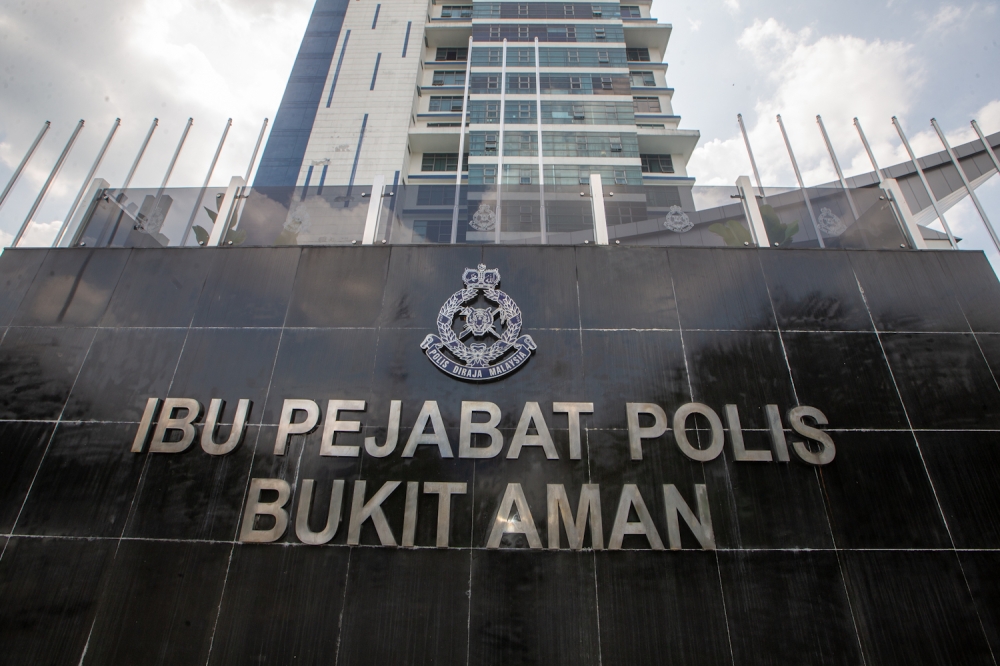
Malaysian police authorities have signalled their readiness to work closely with Indonesian counterparts following the arrest of a local pilot at Soekarno-Hatta International Airport in Jakarta. The incident marks another chapter in law enforcement cooperation between the two neighbouring nations on drug-related offences, a persistent regional concern that has drawn increased scrutiny from authorities on both sides of the Strait of Malacca.
The unnamed pilot, believed to be employed by a Malaysian airline, was detained at the Jakarta airport after authorities discovered drugs in his possession. While specific details regarding the type and quantity of narcotics remain under investigation, the discovery has triggered a formal coordination mechanism between Malaysia's Bukit Aman Criminal Investigation Department and their Indonesian law enforcement counterparts. This kind of transnational coordination has become routine as both nations grapple with complex drug trafficking networks that exploit maritime and air routes between Malaysia and Indonesia.
The arrest underscores a troubling pattern affecting Malaysia's aviation sector, where personnel with access to international routes have occasionally been implicated in drug smuggling operations. Commercial pilots and airline staff occupy a particularly sensitive position within supply chains, given their unimpeded access to aircraft and their frequent movements across international borders. The discovery of narcotics on an individual with such credentials naturally raises questions about whether the arrest represents an isolated incident or signals deeper systemic vulnerabilities within operational security at Malaysian carriers.
Bukit Aman's Criminal Investigation Department, which oversees serious crime investigations including drug offences, has committed to maintaining transparent communication channels with Indonesian authorities as the case unfolds. This collaborative approach reflects the bilateral understanding between Malaysia and Indonesia that drug-related crimes require coordinated responses, particularly when perpetrators hold positions that could facilitate larger smuggling operations. Both nations have witnessed how criminal networks attempt to exploit gaps in coordination between jurisdictions to move contraband across borders.
The timing of this arrest also arrives amid broader regional efforts to combat transnational drug trafficking. Southeast Asia has become increasingly important in global narcotics distribution networks, with Indonesia and Malaysia serving as critical transit points for substances destined for markets across the Asia-Pacific region. The involvement of aviation personnel in such networks complicates enforcement efforts, as legitimate commercial activity provides cover for illicit movement of controlled substances.
Indonesian authorities have been conducting their own preliminary investigation into the circumstances surrounding the arrest and the source of the narcotics. Malaysian authorities will be particularly interested in understanding whether the pilot was acting as a lone operator or forming part of a larger smuggling syndicate. Should evidence emerge of organised criminal involvement, the investigation could expand significantly, potentially implicating individuals or networks on the Malaysian side of the border.
The case will likely prompt reviews of security protocols at Malaysian airlines, particularly those screening procedures and vetting mechanisms applied to crew members with international responsibilities. Airlines operating across Southeast Asia face mounting pressure from regulators to strengthen internal controls that prevent personnel from utilising their positions for contraband movement. The financial incentives offered by trafficking organisations to individuals with airport and aircraft access remain substantial, making this an ongoing challenge for aviation security.
From a legal standpoint, the arrest raises questions about jurisdiction and prosecution. Indonesian law will govern proceedings related to offences committed at Jakarta airport, though Malaysian authorities may pursue separate charges if evidence suggests the pilot obtained the narcotics in Malaysia or intended to distribute them domestically. Such dual jurisdiction scenarios require careful coordination between prosecutors to ensure comprehensive accountability without double jeopardy concerns.
The incident also reflects the effectiveness of airport security screening at major Southeast Asian hubs. Soekarno-Hatta International Airport, Indonesia's principal aviation gateway, maintains substantial security infrastructure, and the successful interception of this contraband demonstrates that such systems can function as intended. However, it simultaneously illustrates that no screening mechanism achieves complete prevention, and organised networks continue seeking new methodologies to circumvent detection.
For Malaysian aviation industry stakeholders, this development may intensify internal scrutiny of employee conduct and background checks. Industry bodies and individual carriers may face pressure from regulators to implement enhanced monitoring systems and integrity testing programs. The reputational implications of having a crew member arrested for drug possession can affect airline operations, customer confidence, and regulatory standing.
As information emerges from Indonesian investigators, Malaysian authorities will assess whether additional charges or investigations are warranted domestically. Bukit Aman's stated commitment to cooperation suggests that Malaysian police will request comprehensive briefings on all findings, including details about the narcotics, their apparent destination, and any connections to Malaysian-based networks. Such intelligence gathering contributes to broader mapping of transnational drug operations affecting the region.

