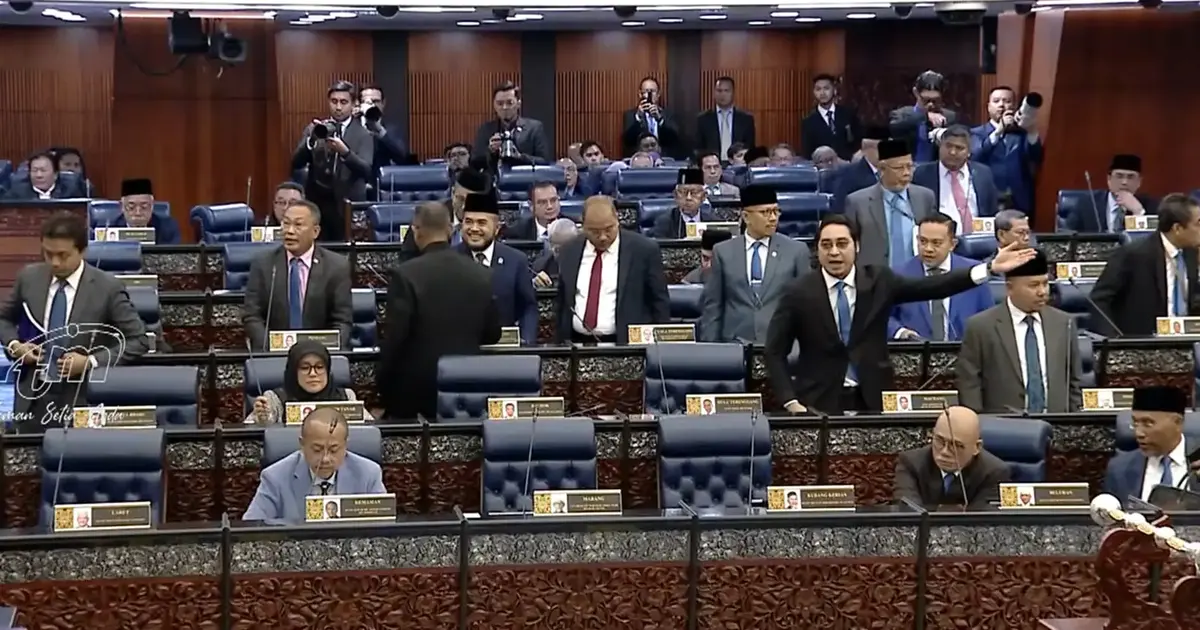
Perikatan Nasional lawmakers orchestrated a dramatic exit from the Dewan Rakyat on Monday after the Speaker declined their request to defer a special parliamentary sitting focused on Terengganu Holdings, the state's sovereign wealth fund. The coalition's MPs withdrew from the chamber in protest, though notably Bersatu, a key PN component, chose not to participate in the walkout, underscoring internal divisions within the opposition bloc on parliamentary tactics and strategy.
The core of PN's objection centred on timing and procedural propriety. Opposition MPs contended that the special sitting should be rescheduled to coincide with the prime minister's availability, arguing that the chief executive's physical presence was essential for substantive parliamentary debate on a matter of significant national importance. This demand reflected broader concerns within PN about the legitimacy of proceedings when the principal executive authority remained absent, particularly when discussing issues touching on governance and public finance.
The Terengganu Holdings matter has emerged as a focal point of parliamentary scrutiny in recent months. The special sitting was convened to examine governance structures, financial management, and accountability mechanisms within the entity, questions that have assumed greater prominence as lawmakers seek transparency in state-linked financial institutions. PN's insistence on the prime minister's attendance suggests the coalition views the proceedings as sufficiently weighty to warrant the highest levels of engagement from the executive branch.
However, the Speaker's refusal to accommodate the postponement request revealed the limits of opposition leverage over parliamentary procedure. Under standing orders, the Speaker possesses considerable discretion regarding the scheduling and conduct of sittings. By rejecting PN's plea, the presiding officer essentially affirmed the parliamentary calendar as established and signalled that the sitting would proceed as scheduled, regardless of executive availability. This represents a recurrent tension between executive convenience and parliamentary autonomy.
Bersatu's decision to remain in the chamber while PN walkout demonstrates the fragility of coalition unity on tactical matters. The party, once part of the Pakatan Harapan government and now aligned with PN, appears to hold a different assessment of the boycott's utility and legitimacy. This divergence hints at potential fault lines within the opposition coalition that could have implications for future parliamentary manoeuvres and broader political cooperation. The internal split may also suggest that Bersatu prioritises substantive participation in the TH discussion over solidarity in protest action.
For Malaysian parliamentary observers, the episode illustrates the ongoing contestation between executive prerogatives and legislative independence. The government's apparent indifference to PN's procedural objections underscores the ruling coalition's control over parliamentary business. This dynamic has been evident throughout the current parliament, with the government frequently able to advance its legislative agenda despite opposition obstruction. The walkout, while symbolically forceful, yielded no practical concessions.
The Terengganu Holdings issue itself warrants scrutiny as a matter of public accountability. State-linked enterprises and sovereign wealth vehicles command significant public resources and exercise considerable economic influence across Malaysia. Parliamentary examination of their governance, financial performance, and alignment with national development objectives represents a legitimate function of legislative oversight. The decision to hold a special sitting reflects recognition that TH's operations merit dedicated legislative attention beyond routine business.
The timing of PN's objection also merits consideration. The opposition's renewed emphasis on the prime minister's participation might signal an attempt to weaponise procedural rules to embarrass the government or delay unwelcome scrutiny of issues that could implicate ruling coalition figures. Conversely, PN might genuinely believe that executive participation would elevate the quality of debate and ensure accountability reaches appropriate decision-making levels. Without clearer information on TH's specific governance controversies, the sincerity of either interpretation remains uncertain.
Regionally, Malaysia's parliamentary dynamics offer lessons for other Southeast Asian democracies wrestling with executive-legislative balance. Unlike some neighbouring nations where such disputes might escalate to constitutional crisis, Malaysia's parliament generally observes formal procedures even amid partisan conflict. The Speaker's authority to refuse postponements, and the opposition's recourse to withdrawal rather than disruption, reflect established institutional norms that, while contested, remain operative.
Looking forward, the TH sitting will proceed with or without PN participation. The special debate will likely proceed along predictable partisan lines, with government MPs defending institutional performance and opposition MPs probing vulnerabilities. Bersatu's presence may complicate standard opposition unity, though individual Bersatu MPs may choose to collaborate with PN on specific TH-related questions during the debate. The episode demonstrates that even in consolidated opposition coalitions, tactical unity cannot be taken for granted when procedural questions arise.
For ordinary Malaysians, this parliamentary skirmish carries broader significance. It raises questions about the effectiveness of legislative opposition when institutional rules favour the executive, and whether parliamentary proceedings can genuinely constrain state entities' autonomy and spending. The walkout, dramatic as it was, did nothing to secure the outcome PN desired, suggesting that opposition parties may need to recalibrate their parliamentary strategy to achieve greater substantive influence. As PN contemplates its approach to remaining parliamentary sessions, the TH sitting episode offers a cautionary note about the limits of procedural protest when institutional power asymmetries are pronounced.

