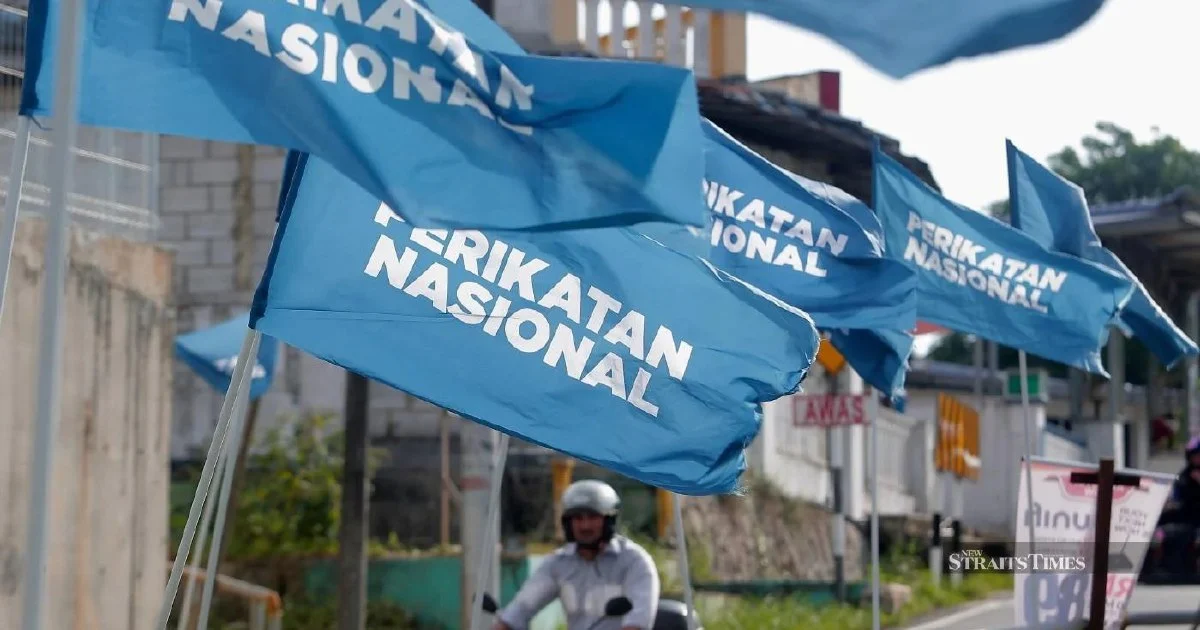
Perikatan Nasional appears committed to preserving its political alliance with Bersatu despite underlying tensions, with observers attributing this restraint to the proximity of crucial state elections in Johor and Negri Sembilan. The calculated approach reflects the coalition's recognition that internal divisions could undermine its competitive position in contests that hold significant implications for the broader political landscape across Malaysia.
The timing of these elections presents a critical juncture for PN's electoral fortunes. Both Johor and Negri Sembilan represent strategically important states where PN has invested considerable organisational resources and political capital. A fracture within the coalition at this precise moment would inevitably complicate campaign messaging, confuse party workers and voters, and potentially hand advantages to rival alliances seeking to exploit any signs of weakness or disunity.
Bersatu, as the coalition's largest component party, carries substantial weight in PN's electoral calculations. The party controls significant machinery in key constituencies and brings grassroots networks that have proven valuable in previous campaigns. Losing Bersatu's active participation or encountering a split that fragments its support base would fundamentally alter PN's strategic position across multiple constituencies in both states.
Analysts note that PN leadership has historically demonstrated willingness to manage internal disputes discreetly when electoral opportunities are imminent. This pragmatic approach prioritises short-term stability over addressing structural tensions that might emerge after polling concludes. The coalition's leadership appears to have determined that weathering current disagreements quietly serves the collective interest better than permitting public conflicts that might provide opposition parties with ammunition for their own campaigns.
The electoral stakes extend beyond mere seat counts. Success or failure in Johor and Negri Sembilan would send powerful signals about PN's viability as a national political force and its capacity to challenge the current federal government. Victories would strengthen the coalition's narrative of growing popular support and political momentum. Conversely, significant losses could trigger internal recriminations and potentially force a reassessment of the coalition's direction and membership.
Bersatu's position within this framework deserves particular consideration. The party joined PN following its departure from the Pakatan Harapan government and has experienced considerable volatility in its political standing. Maintaining its place within the coalition structure provides Bersatu with institutional legitimacy and electoral platform that independent operation might not guarantee. This mutual dependency helps explain why both PN and Bersatu have motivation to maintain their partnership despite occasional friction.
The broader political context adds another dimension to this coalition stability. Malaysia's electoral landscape remains highly competitive, with multiple alliances competing for voter support and parliamentary dominance. In such an environment, coalitions that demonstrate organisational cohesion and strategic discipline possess measurable advantages over fragmented opponents. PN's decision to prioritise unity reflects this fundamental political reality.
However, observers caution that suppressing internal tensions rather than resolving them creates longer-term vulnerabilities. Issues that remain unaddressed during the campaign period often resurface with greater intensity once electoral pressure diminishes. PN's leadership may find itself confronting more serious disputes following the Johor and Negri Sembilan results, when the immediate electoral motivation for unity disappears.
The Johor election holds particular significance given the state's size, economic importance, and traditionally strong voter turnout. A substantial PN performance there would validate the coalition's claim to represent a genuine alternative to existing federal arrangements. Negri Sembilan, while smaller, carries symbolic importance as a state where multiple alliances compete actively and where local political dynamics shape broader narratives about PN's grassroots appeal.
Party operatives within both Bersatu and PN have reportedly received explicit guidance to maintain disciplined public messaging and avoid inflammatory statements that might be construed as coalition criticism. This coordinated approach to communication reflects careful management at the highest leadership levels and indicates genuine determination to present a unified front to voters.
Looking forward, political observers suggest that PN's post-election trajectory will depend substantially on these state results. Strong performances would provide breathing room for addressing internal issues and consolidating gains. Disappointing outcomes would likely trigger more contentious internal debates about strategy, leadership, and coalition composition. For Bersatu particularly, electoral success validates its decision to remain within PN, while failure might prompt reconsideration of its coalition choices.
The coming weeks will reveal whether PN's unity strategy proves sufficiently robust to withstand campaign pressures and voter scrutiny. Both parties have invested significant resources in these contests and understand that the consequences will extend well beyond state boundaries, influencing perceptions of political viability and electoral competence that could shape Malaysian politics throughout the coming years.