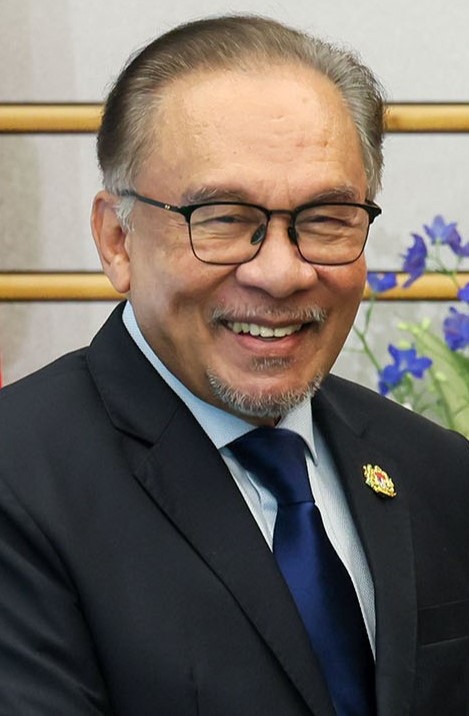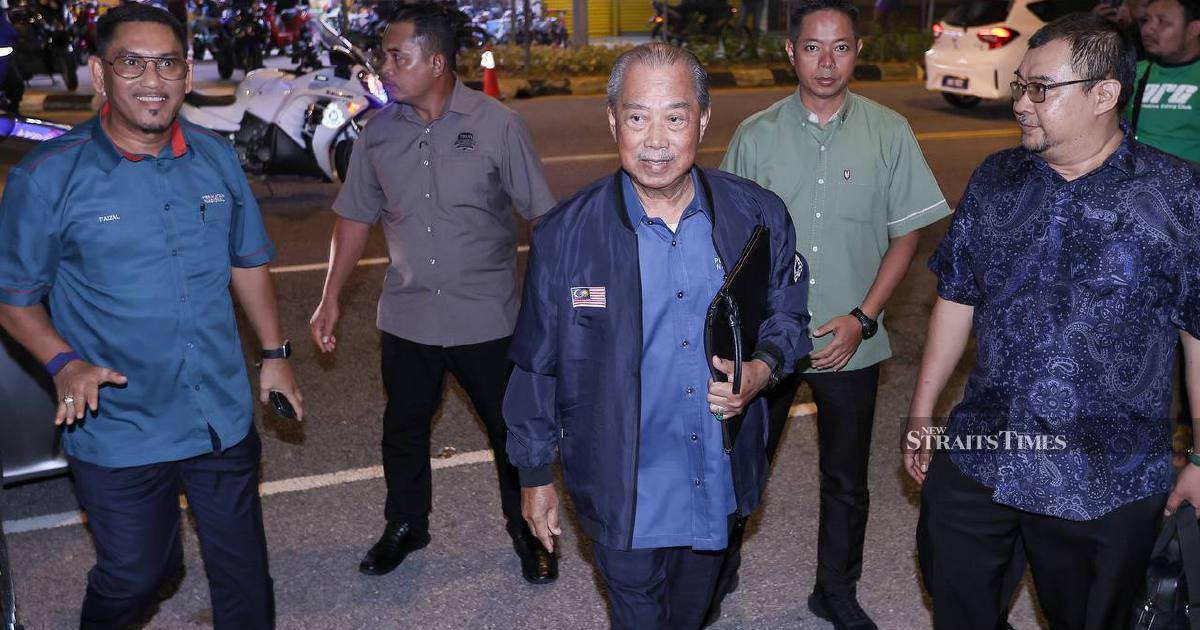
The Perikatan Nasional coalition has activated emergency protocols, summoning its top leadership to an unscheduled Supreme Council session at PAS headquarters in Kuala Lumpur. The hasty convening of such a high-level gathering at the Islamic party's command centre reflects the coalition's heightened state of alert, suggesting substantive matters require immediate collective attention from party principals rather than routine administrative channels.
Emergency meetings of this nature typically indicate either external pressures demanding rapid response or internal developments that cannot await the coalition's regular scheduling cycle. In Malaysian politics, where coalition dynamics remain notoriously fluid and factional tensions frequently simmer beneath formal structures, such summons rarely occur without compelling trigger events. The choice to hold the gathering at PAS headquarters carries symbolic weight, positioning the Islamic party—the dominant PN component—as convener and venue provider for coalition-wide discussions.
PN's structure as a three-member alliance comprising PAS, Bersatu, and Gombak MP Amir Khusyairi's representation adds complexity to inter-party negotiations and decision-making. The Supreme Council functions as PN's apex decision-making body, where party chiefs negotiate policy positions, coordinate electoral strategies, and manage the inevitable friction points arising from coalition participation. When such a body assembles urgently rather than on schedule, the underlying issue invariably possesses urgency demanding resolution before further deterioration occurs.
Contextually, opposition coalitions in Malaysia operate under persistent pressure from competing interests. Member parties maintain separate identities, electoral machinery, and core constituencies, creating inherent tensions between maintaining coalition cohesion and pursuing individual party advantage. Periodic emergency assemblies serve as pressure-release mechanisms where accumulated disagreements receive formal airing and leadership can reset coalition parameters before public fractures threaten credibility.
For Malaysian observers tracking parliamentary opposition dynamics, PN's activation of emergency procedures warrants close monitoring. The coalition has positioned itself as the primary alternative to the ruling Pakatan Harapan administration, and cohesion remains essential for its viability as a credible government-in-waiting. Should this emergency session result in public discord or visible splits, the coalition's effectiveness in holding the government accountable diminishes correspondingly.
The timing of such gatherings frequently correlates with forthcoming parliamentary votes, floor-crossing concerns, or policy disagreements threatening public unity. Opposition coalitions exist in perpetual tension between maintaining principled positions and accommodating diverse membership preferences. Leadership must constantly navigate demands for policy clarity against pressures to preserve unity, a balance that occasionally requires emergency interventions.
PAS's role as meeting host underscores its numerical and organizational dominance within PN. The party's extensive grassroots apparatus, electoral machinery in several states, and representation of conservative Muslim constituencies make it the coalition's heavyweight component. Other members essentially operate within parameters PAS establishes, granting the Islamist party disproportionate influence over coalition direction and priorities.
For Malaysian political analysts, emergency Supreme Council meetings provide valuable windows into coalition health and strategic concerns. Public availability of specific agenda items remains limited, requiring observers to infer underlying issues from subsequent coalition statements, behavior changes, or announced policy shifts. The mere convening of emergency procedures, however, signals that routine management mechanisms have proven insufficient.
The implications extend across regional opposition movements. Southeast Asian democracies frequently feature coalition governance challenges, and PN's experience navigating multi-party alliance management offers lessons for comparable structures elsewhere. Coalition effectiveness depends not merely on numerical strength but on management capacity and member parties' willingness to subsume individual interests temporarily in pursuit of shared objectives.
Watchers of Malaysian politics recognize emergency coalition sessions as potential inflection points where coalition trajectories can shift meaningfully. Decisions reached during such gatherings occasionally reshape subsequent parliamentary behavior, alter electoral positioning, or redraw factional boundaries within member parties. The emergency designation suggests participants recognize stakes extending beyond routine administrative matters.
The convergence of PN leadership at PAS headquarters overnight reflects the coalition's assessment that matters requiring collective determination cannot await regular scheduling. Whether addressing parliamentary strategy, managing member party tensions, responding to government initiatives, or resolving internal policy disputes, the emergency convocation signals determination to maintain coalition coherence during perceived pressure periods. The session outcome will likely reshape PN's operational parameters and influence subsequent opposition behavior in parliament and public discourse.