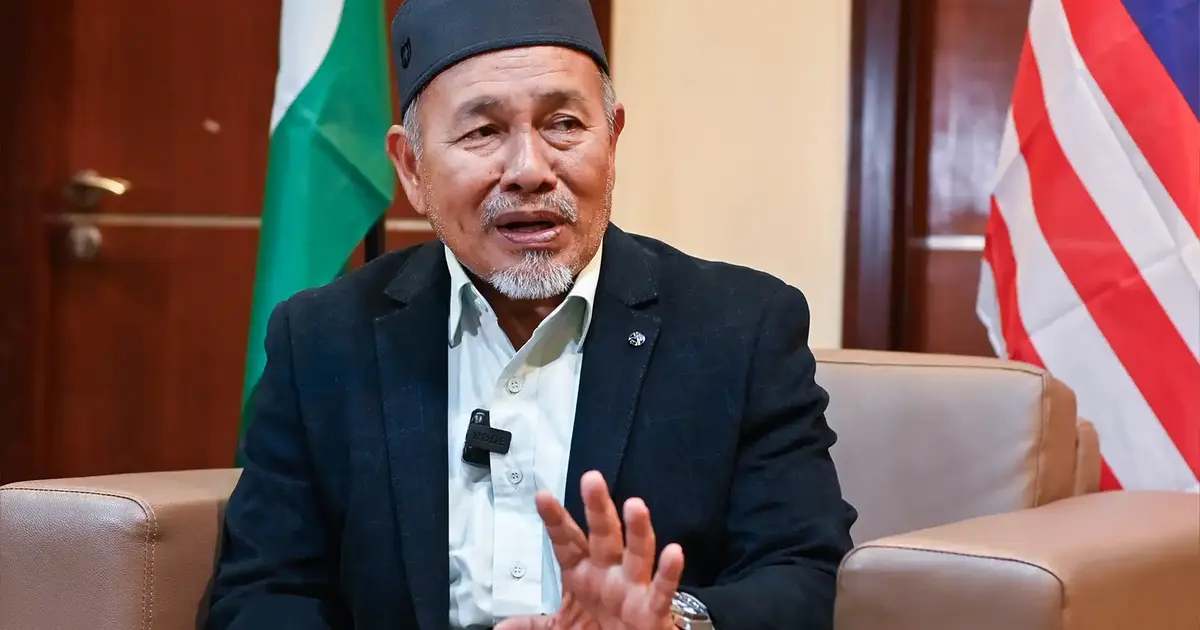
Perikatan Nasional leadership has signalled a relaxed approach towards the prospect of seat conflicts with Barisan Nasional in the upcoming Melaka state election, suggesting that outstanding disputes between the two coalitions can be ironed out through constructive dialogue. PAS deputy president Tuan Ibrahim Tuan Man articulated this position despite acknowledging that formal seat allocation talks with BN have not yet taken place, projecting an air of optimism about the coalition's ability to reach consensus on candidate placement.
The remarks from Tuan Ibrahim reflect a broader diplomatic strategy within PN circles ahead of state-level elections that could reshape the political landscape in Melaka, a state that has experienced considerable political volatility in recent years. His confidence suggests that senior leadership within PN, including its PAS component, believes that the fundamental interests of both coalitions are sufficiently aligned to prevent serious breakdown in negotiations. This positioning also signals PN's intent to project stability and unity to voters and party grassroots supporters who may be anxious about potential internal coalition friction.
Melaka's electoral history underscores why seat negotiations carry particular significance in the state. The political terrain has been contested intensely, with control of the state assembly shifting between coalitions in recent election cycles. Any seat clash or publicly visible dispute between PN and BN could undermine the cohesion narrative that both coalitions are attempting to cultivate. Voters in Melaka, accustomed to political turbulence and shifting alliances, may interpret visible tensions as signs of instability within potential governing coalitions.
The absence of formal seat talks at the time of Tuan Ibrahim's statement suggests that preliminary discussions may have occurred at informal or leadership levels, or that both coalitions are maintaining strategic ambiguity to maximize their negotiating positions. In Malaysian coalition politics, such careful messaging is common practice before official negotiations commence. The deputy PAS president's optimistic framing could be intended to set a constructive tone for upcoming discussions, potentially shaping expectations among party members and the broader political community.
For PAS, which holds significant representation in PN through its grassroots organisational strength and electoral presence in certain constituencies, securing adequate seats in Melaka is both a political and organisational priority. Historically, PAS has leveraged its membership scale and campaign machinery to secure competitive seat allocations within coalition frameworks. In Melaka specifically, PAS fielding a credible slate of candidates could be important for PN's overall performance, particularly in constituencies where the Islamic party maintains established voter bases and party infrastructure.
BN's approach to seat negotiations will likely reflect its desire to reassert influence in Melaka following electoral setbacks in recent years. As the traditional governing coalition at federal and state levels, BN may seek to position itself as the dominant partner in any pre-election understanding with PN. The outcome of seat talks will therefore be significant not merely as a procedural matter but as a reflection of the relative bargaining power and strategic priorities of each coalition.
For Malaysian voters in Melaka and observers across the region, the manner in which seat negotiations unfold carries broader implications about political stability and coalition management. Southeast Asia's coalition-based political systems frequently grapple with the challenge of maintaining internal cohesion across ideologically distinct parties. The PN-BN dynamic in Melaka offers insight into whether established Malaysian coalition frameworks can accommodate power-sharing arrangements that satisfy competing party interests.
Tuan Ibrahim's comments also suggest that PN leadership perceives sufficient common ground with BN to justify optimism about negotiation outcomes. Whether this confidence is grounded in substantive prior discussions or reflects a negotiating posture remains unclear. Nevertheless, his public statement signals that PN does not anticipate irreconcilable differences emerging during seat allocation talks, which could help prevent the kind of acrimonious disputes that have occasionally derailed coalition efforts in other Malaysian elections.
The timing of seat allocation negotiations in relation to campaign periods and candidate announcements will be crucial. Delayed finalisation of seat arrangements could create uncertainty among potential candidates and party workers, potentially affecting campaign energy and volunteer mobilisation. Conversely, early completion of negotiations could provide both coalitions with maximum time to prepare and launch coordinated campaigns across constituencies.
As Melaka moves toward its electoral exercise, the trajectory of PN-BN negotiations will be closely monitored by political analysts and rival coalitions alike. The state's status as a bellwether for broader political trends in Malaysia means that the coalition partnership framework tested in Melaka could offer lessons applicable to future elections in other states. Should seat allocation proceed smoothly as Tuan Ibrahim suggests, it would reinforce the narrative of coalition stability and competent political management.

