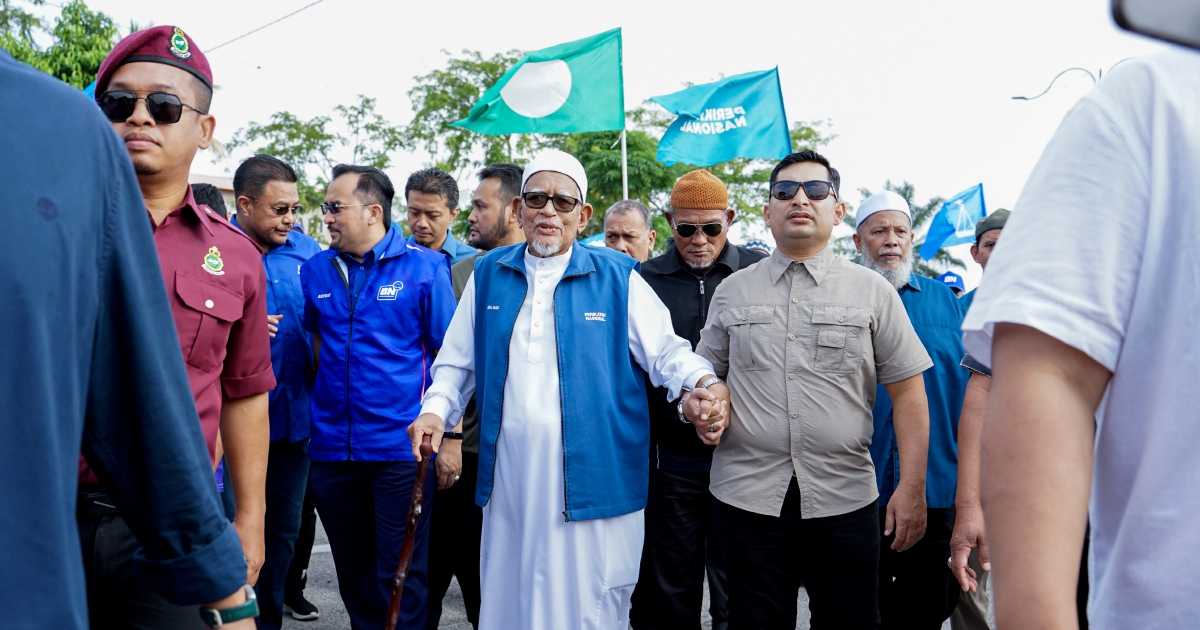
Perikatan Nasional and Barisan Nasional are in the midst of determining how to divide electoral seats for the Melaka state election, according to PAS president Tan Sri Abdul Hadi Awang, signalling that both coalitions remain engaged in resolving their allocation framework before nominations begin. The negotiations reflect the intricate coalition mathematics that have come to characterise Malaysian state-level politics, particularly in Melaka, which has witnessed several changes in political control and electoral pacts over recent years.
The talks underscore the complex relationship between Malaysia's two major political alliances, which have demonstrated a capacity to cooperate at certain levels while maintaining distinct identities and competing interests. Such seat-sharing arrangements are critical not only for electoral strategy but also for managing internal party expectations and ensuring coalition cohesion heading into what is likely to be a competitive poll. The specific details of how many seats each partner will contest remain unresolved, with negotiations presumably covering both parties' territorial claims and strength in particular districts.
Melaka has historically been a crucial political battleground, having shifted between different coalition controls and witnessed intense three-cornered contests. The state's 36 state assembly seats have been hotly contested in recent elections, with the outcome often reflecting broader shifts in voter sentiment across the region. The allocation of seats between PN and BN will significantly shape the electoral landscape, determining which candidates from each component party will stand in which constituencies and potentially affecting campaign strategies across the state.
For Perikatan Nasional, which comprises PAS, BERSATU, and other smaller parties, the negotiations carry implications for how the coalition positions itself in one of Malaysia's key states. PAS, as the largest and most influential component in PN, often plays a leading role in seat discussions with other coalitions, and Hadi's statement reflects the party's central position in such deliberations. The party's electoral performance in Melaka will contribute to its overall standing within the PN framework and influence its leverage in future negotiations across other states.
Barisan Nasional's participation in these talks demonstrates the traditional political machinery's continued relevance despite facing significant challenges in recent elections. The coalition, anchored by UMNO but including component parties such as MCA and MIC, remains a formidable force in Malaysian politics, particularly in state-level contests where local networks and established structures retain considerable weight. For BN, seat allocations in Melaka are matters requiring careful calibration to satisfy component parties' aspirations while maintaining electoral competitiveness against opposition forces.
The timing of these negotiations is significant, as state elections typically follow prescribed processes requiring sufficient preparation time for candidate selection, vetting, and campaign mobilisation. Both coalitions recognise that delays in seat allocation could hamper their preparedness and create internal tensions if parties feel inadequately consulted or unfairly treated in the distribution. The ongoing nature of discussions suggests negotiations remain substantive rather than perfunctory, indicating genuine differences that require resolution through deliberation.
Melaka's electoral dynamics have shifted considerably following previous polls, with voter behaviour reflecting responses to national political developments, local governance performance, and community concerns. The outcome of seat negotiations will determine which candidates reach voters and through which parties, effectively shaping the competition framework. Both PN and BN must consider not only their relative strength across different districts but also tactical considerations about maximising combined vote efficiency and preventing opposition candidates from capitalising on fragmented non-coalition support.
The negotiations between PN and BN highlight broader patterns in Malaysian coalition politics, where alliances at federal and state levels frequently require ongoing management and adjustment. Seat-sharing deals are rarely straightforward, involving calculations about party performance in previous elections, demographic composition of constituencies, and subjective assessments of individual candidates' viability. These discussions often extend beyond simple arithmetic to encompass questions of principle regarding which party controls which region and how resources should be distributed.
For Malaysian voters and observers, such negotiations carry practical consequences regarding the choice of candidates and the nature of electoral contests they will witness. Seat allocations determine whether races will be straight two-way contests, three-cornered affairs, or more complex multi-party situations. They also influence campaign intensity and resource deployment, as parties focus on constituencies where they are fielding candidates rather than supporting coalition partners. Understanding these behind-the-scenes arrangements provides insight into how coalition politics actually functions and how electoral competition is structured before voters cast their ballots.
The successful resolution of PN-BN seat negotiations for Melaka will likely establish a template or precedent for other pending state elections, should they occur before the next federal election. How both coalitions manage these discussions and whether they reach mutually acceptable arrangements will signal the health and sustainability of their partnership at state level. Such negotiations also implicitly acknowledge that neither coalition commands sufficient strength to govern Melaka alone, necessitating continued cooperation despite ongoing rivalries and competing national political agendas that sometimes create tensions between the groups.

