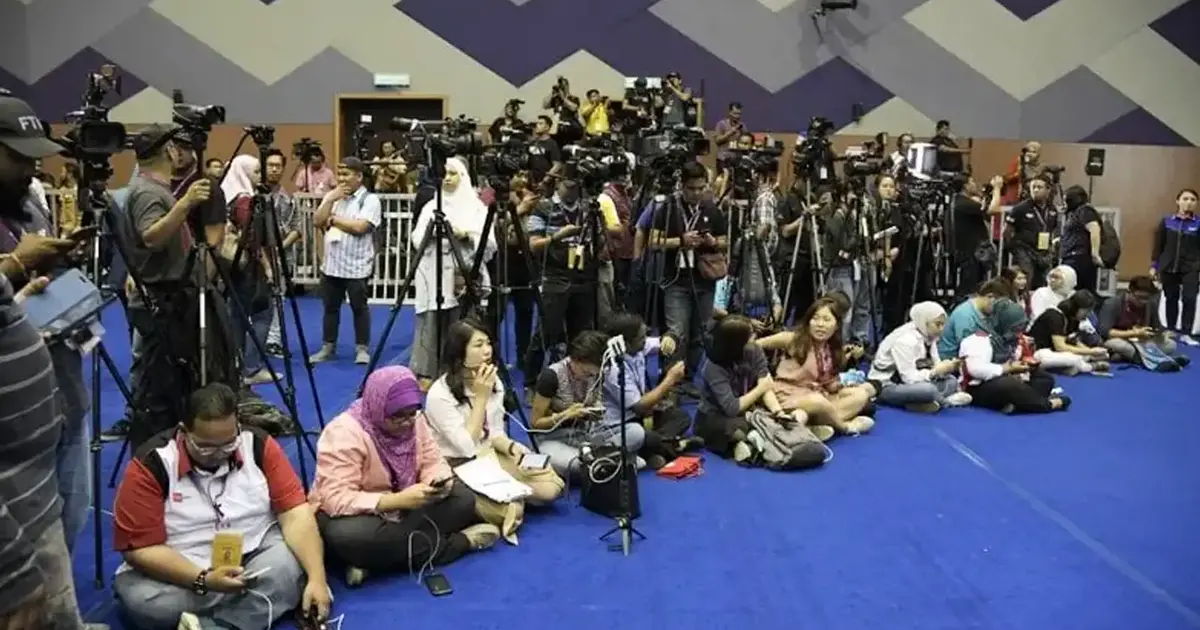
Prime Minister Anwar Ibrahim has established a structured approach for handling complaints against journalists, directing that all grievances must first pass through the Malaysian Media Council before authorities can launch formal investigations or take enforcement action. The framework signals an attempt to balance accountability in the media sector with protections against arbitrary action, addressing longstanding tensions between press freedom and governmental oversight in Malaysia.
The Malaysian Media Council, which represents editors and media organisations across the country, has welcomed the initiative as a safeguard ensuring fair and transparent scrutiny of journalism. By routing complaints through this intermediary body, the government appears to be positioning itself against the perception of direct state interference in editorial matters, a concern that has periodically surfaced in Malaysian public discourse. The council's role as a filter creates an additional layer of assessment before any investigative machinery is engaged.
This mechanism reflects recognition that media regulation operates within competing frameworks—the need to maintain professional standards and factual accuracy, whilst respecting editorial independence and preventing weaponisation of complaints against critical reporting. Malaysia's media landscape has historically navigated these tensions, with outlets ranging from state-aligned to independent, and audiences increasingly fragmented across digital and traditional platforms. The new process attempts to formalise how disputes between subjects of reporting and news organisations should be resolved.
The Malaysian Media Council typically comprises senior journalists and editors who can evaluate complaints on professional grounds, examining whether coverage breached ethical guidelines, factual accuracy standards, or journalistic practice codes. This peer-based assessment differs fundamentally from regulatory bodies that might prioritise political or legal compliance, potentially creating space for more contextualised judgement about journalistic conduct. The council's institutional position allows it to consider both the complainant's legitimate concerns and the journalist's right to report matters of public interest.
For Malaysian readers and the broader Southeast Asian media ecosystem, the framework carries several implications. Countries across the region continue grappling with defining appropriate boundaries between state authority and press operations, with some nations adopting more restrictive approaches than others. Malaysia's decision to formalise an internal complaints mechanism rather than immediately escalate matters to law enforcement or regulatory agencies suggests a measured approach that could influence regional conversations about media governance. The model may prove instructive for other democracies examining how to manage media accountability without fostering censorship or self-censorship.
However, the framework's effectiveness depends heavily on implementation details not yet fully elaborated. Questions remain about timelines for Malaysian Media Council assessments, whether enforcement agencies will genuinely defer to the council's conclusions, and how the process handles cases involving national security, public order, or defamation claims—areas where state interests traditionally claim precedence. The relationship between the council's recommendations and formal government action requires careful delineation to prevent the complaints mechanism from becoming merely procedural window-dressing for predetermined enforcement decisions.
Journalists and media organisations have expressed cautious interest in the arrangement, viewing structured review as preferable to sudden investigative action but remaining vigilant about potential misuse. The Malaysian Journalists Association and similar professional bodies will likely monitor whether the mechanism functions as intended or becomes subject to political pressure. The credibility of any complaints system ultimately rests on perceptions that its gatekeepers operate with genuine independence and professional judgment rather than as proxies for official preferences.
The timing of Anwar's announcement reflects broader debates about media freedom, misinformation, and state authority occurring globally. Malaysia, like most democracies, faces legitimate concerns about false or misleading information circulating through both traditional and social media channels. Simultaneously, fears persist that vaguely defined restrictions ostensibly targeting falsehoods might suppress legitimate criticism or inconvenient reporting. A complaints mechanism routed through professional peers rather than directly through law enforcement authorities attempts to thread this needle.
For international press freedom organisations and foreign governments assessing Malaysia's commitment to democratic norms, the framework offers potential reassurance that press oversight involves professional evaluation rather than purely political determination. However, these observers will undoubtedly scrutinise actual practice against stated intentions. Previous announcements in Malaysia regarding media regulation have occasionally seen intentions diverge from implementation, and stakeholders across the political spectrum will monitor whether this initiative follows similar patterns.
The Malaysian Media Council's expanded role under this framework potentially strengthens professional self-regulation as an alternative to state-directed censorship or enforcement. Self-regulatory bodies, when genuinely independent and properly resourced, can address legitimate complaints about journalistic misconduct whilst protecting editorial autonomy and investigative reporting from political retaliation. This approach aligns with international best practices in media governance, where professional standards are upheld through collegial review rather than adversarial state intervention.
Moving forward, the mechanism's success will depend on several factors: clear communication of procedures to all stakeholders, adequate resources and capacity within the Malaysian Media Council, demonstrated willingness by enforcement agencies to respect the council's preliminary findings, and transparent public reporting of how complaints are processed and resolved. Establishing such institutional trust takes time and consistent demonstration of fair-minded application across diverse situations and political contexts.

