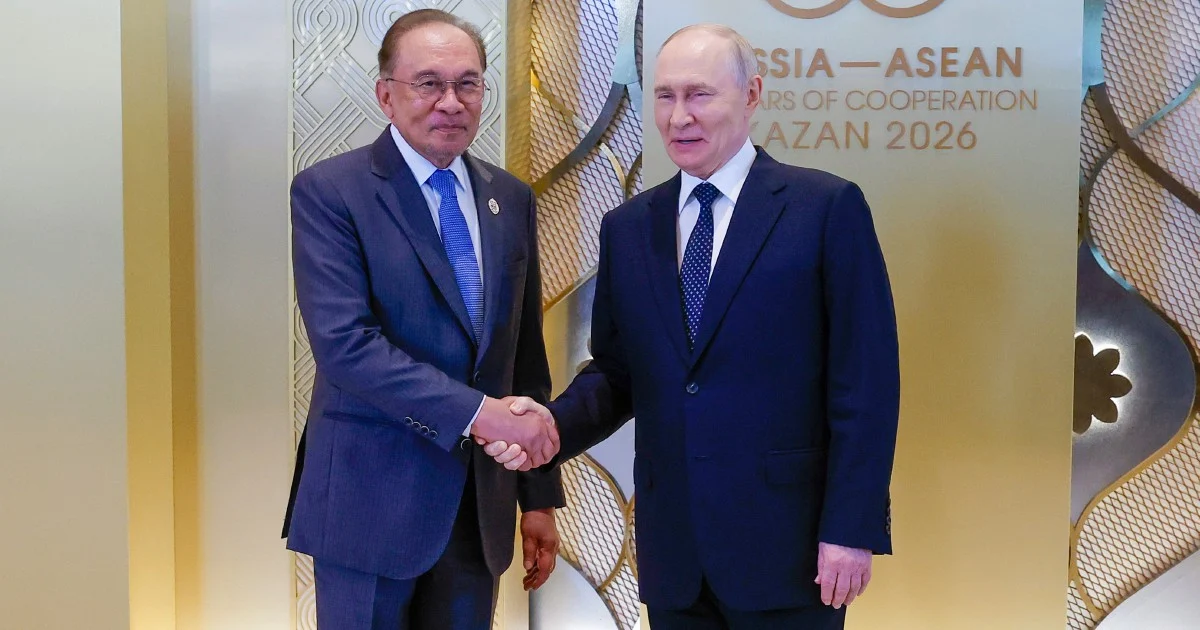
Prime Minister Datuk Seri Anwar Ibrahim's recent official visits to Russia and Turkmenistan represent a calculated expansion of Malaysia's energy diplomacy, with observers noting the missions have produced tangible outcomes for the nation's long-term hydrocarbon security and economic resilience. The two-country tour underscores Kuala Lumpur's broader strategy to cultivate relationships with energy-rich nations beyond traditional partnerships, particularly as regional and global energy markets face mounting pressures from geopolitical tensions and the energy transition.
Malaysia's dependence on stable energy supplies has grown more acute in recent years as domestic oil and gas reserves continue to mature and production declines incrementally. The visits to Moscow and Ashgabat signal a deliberate pivot toward securing reliable access to Central Asian and Russian energy resources, addressing a strategic vulnerability that policymakers have identified as critical to maintaining economic competitiveness. Energy security has become inseparable from national economic planning, as volatility in global oil markets can rapidly destabilise local fuel prices, inflation rates, and manufacturing competitiveness across the region.
The timing of these missions carries particular significance within the context of Malaysia's deepening engagement with non-aligned and emerging market forums. By strengthening bilateral relations with both Russia and Turkmenistan, Anwar's administration has demonstrated its commitment to a diversified foreign policy posture that reaches across multiple geopolitical alignments. This approach reflects a pragmatic recognition that energy cooperation transcends ideological boundaries and serves the tangible interests of the Malaysian economy and its citizens.
Turkmenistan holds particular strategic importance in this equation, given its substantial proven natural gas reserves and its geographic position as a crucial supplier to Asian markets. Enhanced cooperation with Ashgabat could potentially unlock pathways for Malaysian companies to participate in Central Asian energy projects, while also creating opportunities for technology transfer and capacity building in the petroleum sector. Such partnerships typically extend beyond simple commodity trading to encompass joint ventures, infrastructure development, and human resource exchanges that generate broader economic spillovers.
Russia's energy sector represents a more complex engagement, given the geopolitical dimensions surrounding international sanctions and supply chain reorganisation in the post-2022 environment. However, Malaysia's position as a non-aligned nation seeking to maintain pragmatic relations across global divides positions it uniquely to develop energy partnerships based on commercial merit rather than Cold War alignments. The visits demonstrate that Southeast Asian nations can pursue strategic autonomy in their energy sourcing without sacrificing diplomatic flexibility or regional stability.
The emphasis on oil and gas cooperation during these missions reflects the reality that hydrocarbons will continue to play a foundational role in Malaysia's energy portfolio for decades to come, notwithstanding the nation's parallel commitment to renewable energy expansion and carbon neutrality targets. This dual-track approach—simultaneously pursuing new fossil fuel partnerships while investing in clean energy—acknowledges the transitional reality of the global energy system and the practical constraints facing developing economies in Southeast Asia.
Beyond immediate energy procurement, these bilateral relationships create platforms for broader economic engagement that can benefit Malaysian enterprises across multiple sectors. Energy partnerships frequently catalyse investments in petrochemicals, liquefied natural gas trading, port infrastructure, and related service industries that generate high-value employment and export revenue. The strategic economic foundations established during high-level visits typically persist through institutional mechanisms and ongoing commercial negotiations at the corporate level.
For Malaysian companies, particularly those in oil and gas services, engineering, and project management, expanded engagement with Russian and Turkmen operators opens new market opportunities. Regional firms have developed competitive advantages in tropical offshore operations and supply chain management that command premium pricing in Central Asian contexts. These bilateral frameworks can facilitate technology partnerships and joint ventures that elevate Malaysian industry capabilities while addressing labour shortages in these partner nations.
The diplomatic emphasis on energy security reflects broader acknowledgement within government that Malaysia's prosperity depends substantially on maintaining predictable access to affordable energy inputs. Manufacturing competitiveness, particularly in energy-intensive sectors like petrochemicals and food production, hinges directly on stable hydrocarbon pricing. By cultivating relationships with multiple suppliers and creating diversified sourcing mechanisms, Malaysia reduces its vulnerability to supply disruptions or monopolistic pricing pressures that could emanate from concentration of suppliers.
Within the regional context, Malaysia's energy diplomacy carries implications for broader Southeast Asian energy security. As a major regional economy and a recognised voice within ASEAN forums, developments in Kuala Lumpur's external energy partnerships can influence regional discussions regarding collective energy strategies, infrastructure development, and negotiating positions with major global energy producers. Enhanced Malaysian-Russian and Malaysian-Turkmen cooperation may gradually shift regional patterns of energy sourcing and cooperation frameworks.
The visits also underscore Kuala Lumpur's intention to position itself as a hub for energy finance and trading in the region. By developing closer relationships with major producers, Malaysia can potentially attract investment in energy trading infrastructure, financial services, and logistics operations. This broader economic ecosystem surrounding energy cooperation often generates more employment and value than the hydrocarbon transactions themselves.
Looking forward, the substantive outcomes from these diplomatic missions will be measured through concrete commercial arrangements, investment commitments, and institutional cooperation mechanisms. The success of energy diplomacy ultimately translates into actual barrels of oil, cubic meters of gas, and stable pricing frameworks that reach Malaysian consumers and industrial users. These visits represent the diplomatic foundation upon which enduring commercial relationships must be constructed.