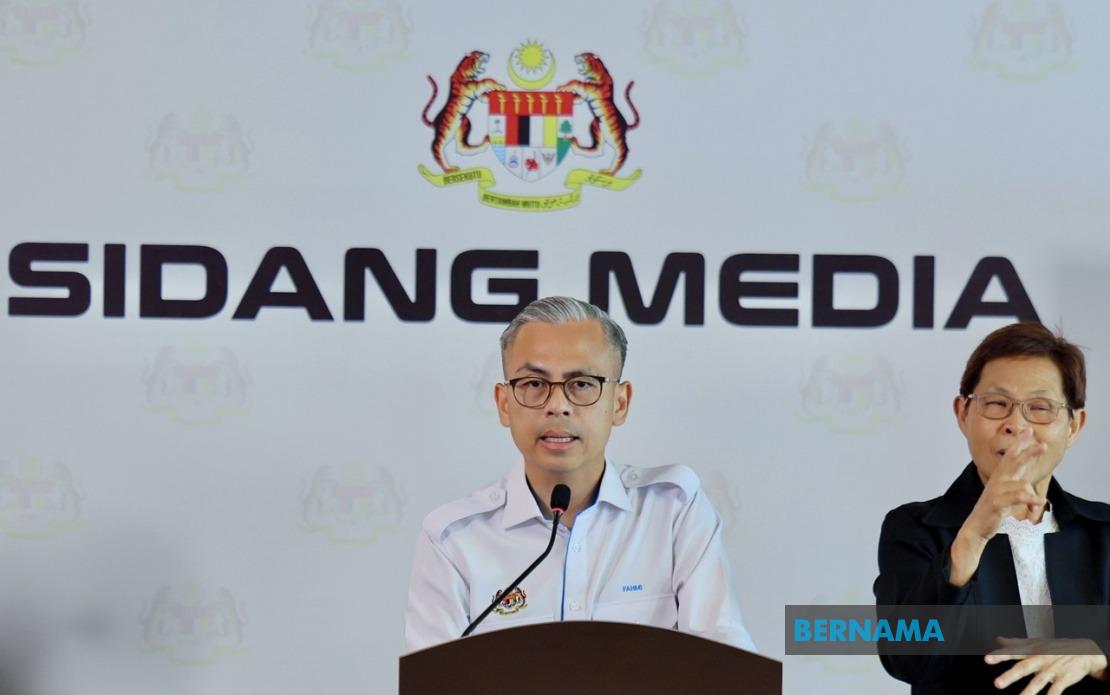
Prime Minister Datuk Seri Anwar Ibrahim's recent diplomatic visits to Kazan in Russia and Ashgabat in Turkmenistan have positioned Malaysia to benefit from substantial energy infrastructure gains, with government officials emphasising the long-term implications for domestic economic stability and household finances. The two trips have secured commitments that address one of Malaysia's fundamental infrastructure needs while expanding the operational footprint of the nation's flagship energy company in key resource-rich regions. MADANI Government spokesperson Datuk Fahmi Fadzil underscored the significance of these diplomatic outcomes, framing them as strategic pillars in the government's broader development strategy.
The visit to Kazan, where the Prime Minister attended the 35th ASEAN-Russia Commemorative Summit alongside Investment, Trade and Industry Minister Datuk Seri Johari Abdul Ghani and Economy Minister Akmal Nasrullah Mohd Nasir, resulted in Russia committing to supply crude oil, gas and diesel to Malaysia through a long-term arrangement. This accord addresses Malaysia's ongoing requirements for stable energy supplies while reducing the country's vulnerability to volatile international energy markets. Beyond the energy sector, both nations have pledged to deepen cooperation across trade, investment, tourism and technology domains, creating multiple avenues for economic collaboration. The diversification of Malaysia's energy sourcing represents a prudent geopolitical approach, particularly given regional supply uncertainties and the importance of energy independence to sustained economic growth.
The Ashgabat leg of the Prime Minister's journey proved equally consequential, delivering what government officials characterised as a major milestone for PETRONAS. Malaysia's national oil and gas company, operating through its wholly owned subsidiary Petronas Carigali (Turkmenistan) Sdn Bhd, has secured development rights for two substantial gas blocks in Turkmenistan. This expansion builds upon PETRONAS' established presence in the country, which spans more than three decades and has positioned the company as a significant player in Central Asian energy exploration and production. The newly acquired rights strengthen PETRONAS' standing as one of the world's leading gas producers and underscore Malaysia's capacity to negotiate advantageous terms with energy-rich nations.
A Framework Agreement on Long-Term Cooperation for the Development of Hydrocarbon Resources of Turkmenistan, formalised during the Ashgabat visit, establishes a systematic governance structure for bilateral energy collaboration between Malaysia and Turkmenistan. The agreement creates opportunities not merely in extraction but across the broader energy value chain, including potential development of the Galkynysh field—one of Central Asia's most significant gas reserves—as well as downstream operations encompassing oil refining, gas processing and gas chemicals production. This comprehensive approach to energy cooperation demonstrates Malaysia's strategic intent to capture higher-value activities beyond simple commodity extraction, positioning PETRONAS to develop expertise and generate greater returns from its international operations.
The fiscal ramifications of these energy agreements extend directly to ordinary Malaysians through government policy decisions. Government spokesperson Fahmi Fadzil explicitly linked the energy security achievements to the Prime Minister's June 21 announcement reducing diesel prices, illustrating how diplomatic success translates into tangible consumer benefits. The cost of fuel represents a significant component of household expenses and production costs across the economy, influencing inflation dynamics and purchasing power. By securing long-term energy supplies at negotiated rates, the government positions itself to manage domestic fuel pricing more effectively and predictably, providing relief to consumers and businesses dependent on stable energy costs.
The revenue implications for the national budget represent another critical dimension of these agreements. PETRONAS dividends and production returns from operations in Turkmenistan and expanded Russian energy supplies feed into government coffers, funding public services, infrastructure development and social programmes. The government spokesperson emphasised that returns generated through these international operations will be channelled into national development initiatives, creating a direct link between diplomatic success in energy markets and domestic public investment. This revenue stream provides Malaysia with greater fiscal flexibility for long-term development planning without excessive reliance on taxation or budgetary constraints.
For Southeast Asia more broadly, Malaysia's successful engagement with energy-producing nations in Russia and Central Asia carries significant implications. The region has historically relied on energy supplies from the Middle East and increasingly from regional producers like Myanmar and Indonesia. By developing diverse energy partnerships spanning Europe and Central Asia, Malaysia reduces regional supply concentration risks and demonstrates a model of pragmatic energy diplomacy that other Southeast Asian nations may emulate. This diversification strengthens the region's collective energy security and reduces vulnerability to supply disruptions from any single source.
The timing of these diplomatic achievements reflects Malaysia's strategic positioning amid evolving global energy dynamics. Russia remains one of the world's largest oil and gas producers, despite international sanctions, while Turkmenistan controls vast hydrocarbon reserves central to global energy security. Malaysia's ability to negotiate substantive cooperation agreements with both nations demonstrates the government's diplomatic capability and the respect Malaysia commands in international energy markets. PETRONAS' successful acquisition of development rights underscores the company's technical credibility and financial capacity to manage complex upstream operations in challenging geopolitical environments.
The energy agreements also carry implications for Malaysia's broader foreign policy orientation. By engaging substantively with Russia and Central Asian nations, Malaysia navigates a middle path between competing geopolitical blocs, maintaining relationships with diverse powers while advancing clear national economic interests. This pragmatic approach to international relations reflects Malaysia's historical commitment to non-alignment and independent foreign policy, particularly relevant as global energy geopolitics become increasingly contested. The government's emphasis on mutual benefit and long-term cooperation suggests an approach focused on shared prosperity rather than zero-sum competition.
Looking forward, the success of these energy diplomacy initiatives may stimulate broader Malaysian engagement across technology transfer, workforce development and downstream industrial opportunities. The involvement of the Investment, Trade and Industry Ministry alongside senior energy officials indicates government coordination extending beyond energy extraction toward industrial utilisation of hydrocarbon resources. Potential opportunities in gas chemicals, petrochemicals and advanced manufacturing could emerge from these frameworks, creating employment opportunities and industrial diversification. The deliberate framing of energy cooperation within broader development contexts suggests the government views these agreements as catalysts for more comprehensive economic partnerships.
The implementation phase of these agreements will prove critical to delivering promised benefits. Both the Russia energy supply arrangement and the Turkmenistan gas block development rights require sustained operational execution, regulatory compliance and investment commitment. PETRONAS' proven track record in international operations provides confidence in implementation capacity, yet geopolitical uncertainties and operational complexities inherent to energy development in these regions warrant careful monitoring. Government officials' confidence in these arrangements reflects assessments of partner reliability and commercial viability, though outcomes will ultimately depend on execution across multiple years and changing external circumstances.
For Malaysian citizens and policymakers, these energy agreements represent government efforts to address fundamental infrastructure needs while building revenue streams for long-term development. The direct connection between diplomatic achievements and household diesel prices illustrates how foreign policy translates into everyday economic outcomes. As Malaysia pursues development objectives under the MADANI framework, securing stable and affordable energy supplies constitutes a foundational requirement, making these diplomatic successes consequential for the nation's economic trajectory and citizens' prosperity.

