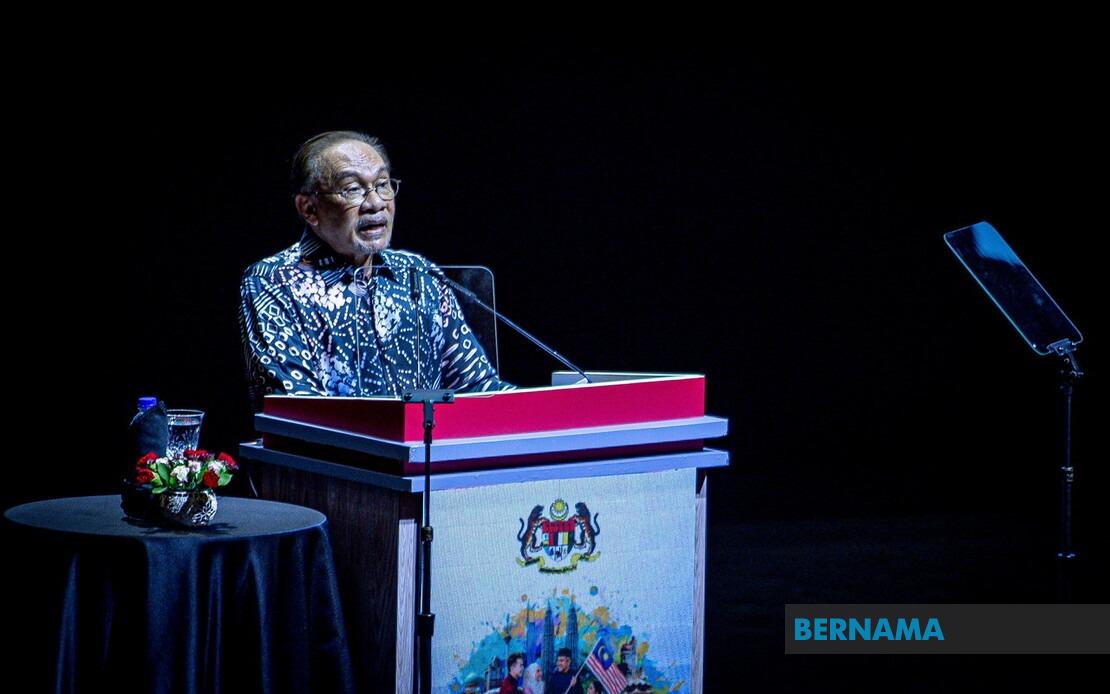
Prime Minister Datuk Seri Anwar Ibrahim has rolled out a comprehensive six-point economic relief plan designed to cushion Malaysians against mounting living expenses, with all measures set to commence on September 1. The announcement came during the 2026 National Day Prime Minister's Address delivered at the Putrajaya International Convention Centre, positioning the initiative as a pre-National Day commitment to addressing household financial strain.
The package encompasses fuel subsidies, educational infrastructure maintenance, artificial intelligence development, healthcare system digitalisation, electronic invoicing systems, and microfinancing initiatives. By concentrating on these six areas, the government targets multiple pressure points simultaneously—from the pump and the schoolyard to healthcare facilities and small business operations. This multi-sectoral approach suggests recognition that cost-of-living pressures stem from interconnected economic challenges rather than a single root cause.
Anwar acknowledged that despite previous government interventions, the administration has not yet resolved the fundamental struggles facing ordinary Malaysians. His candid admission that "we have never assumed that we have solved all the problems" represents a shift in narrative from some earlier claims of success. The Prime Minister framed the current announcements not as definitive solutions but as temporary relief measures—a realistic assessment that may align better with public expectations than over-promising outcomes.
The fuel subsidy component carries particular significance for Malaysian households and businesses. Fuel costs directly ripple through transportation expenses, food prices, and manufacturing inputs, making petrol and diesel pricing a sensitive political and economic touchstone. Maintaining or expanding fuel support through targeted measures addresses immediate household budgets while potentially managing inflation across the broader economy. However, the sustainability of subsidies remains a longstanding policy tension between affordability and fiscal responsibility.
Educational maintenance funding addresses a constituency of schoolchildren and families increasingly concerned about facility quality and learning environments. Investing in school infrastructure can enhance educational outcomes while reducing out-of-pocket expenses for families compensating for deteriorating facilities. This dimension appeals to parents and educators, recognising that educational stability contributes to long-term economic mobility and household confidence.
The inclusion of artificial intelligence and healthcare digitalisation reflects government positioning toward technological modernisation. These measures represent longer-term structural improvements rather than immediate consumer relief. AI development initiatives may create jobs and innovation capacity, while healthcare digitalisation can reduce administrative costs and improve service delivery efficiency. However, the direct immediate impact on household budgets remains less tangible than fuel or school funding measures.
E-Invoicing implementation and microfinancing expansion target business-level concerns affecting employment and entrepreneurship. E-Invoicing streamlines tax compliance and reduces administrative burden on small and medium enterprises, potentially freeing resources for wage improvements or business expansion. Microfinancing accessibility enables grassroots entrepreneurs and informal sector workers to formalise operations and access capital, creating pathways out of financial precarity.
Deputy Prime Minister Datuk Seri Dr Ahmad Zahid Hamidi, Communications Minister Datuk Seri Fahmi Fadzil, and senior Cabinet ministers joined the announcement, signalling whole-of-government commitment to implementation. The presence of the Chief Secretary to the Government, Tan Sri Shamsul Azri Abu Bakar, underscores bureaucratic readiness to execute these measures across federal agencies and state partnerships.
For Southeast Asian observers, Malaysia's approach illustrates how mid-income developing nations balance social welfare with fiscal constraints. The combination of immediate subsidies with investment in digital infrastructure reflects pragmatic policymaking—addressing today's hardships while attempting to build tomorrow's efficiency gains. This strategy becomes particularly relevant for regional peers confronting similar inflation pressures and household vulnerability.
The September 1 implementation deadline provides a clear enforcement timeline and allows civil servants, businesses, and the public minimal adjustment periods. The timing also associates relief measures with National Day celebrations, creating political symbolism around government responsiveness to citizen concerns. This symbolic dimension, while administratively convenient, also reflects the government's understanding that cost-of-living anxieties directly influence public confidence and political legitimacy.
The six measures collectively attempt to demonstrate that the government remains responsive to sustained economic pressures that have characterised Malaysian households for several years. By announcing these steps in early September, the administration positions itself as active and engaged with public concerns ahead of potential economic headwinds and future budget cycles. Whether these measures prove sufficient to meaningfully reverse household financial stress will depend significantly on implementation efficiency and complementary macroeconomic developments beyond government control.

