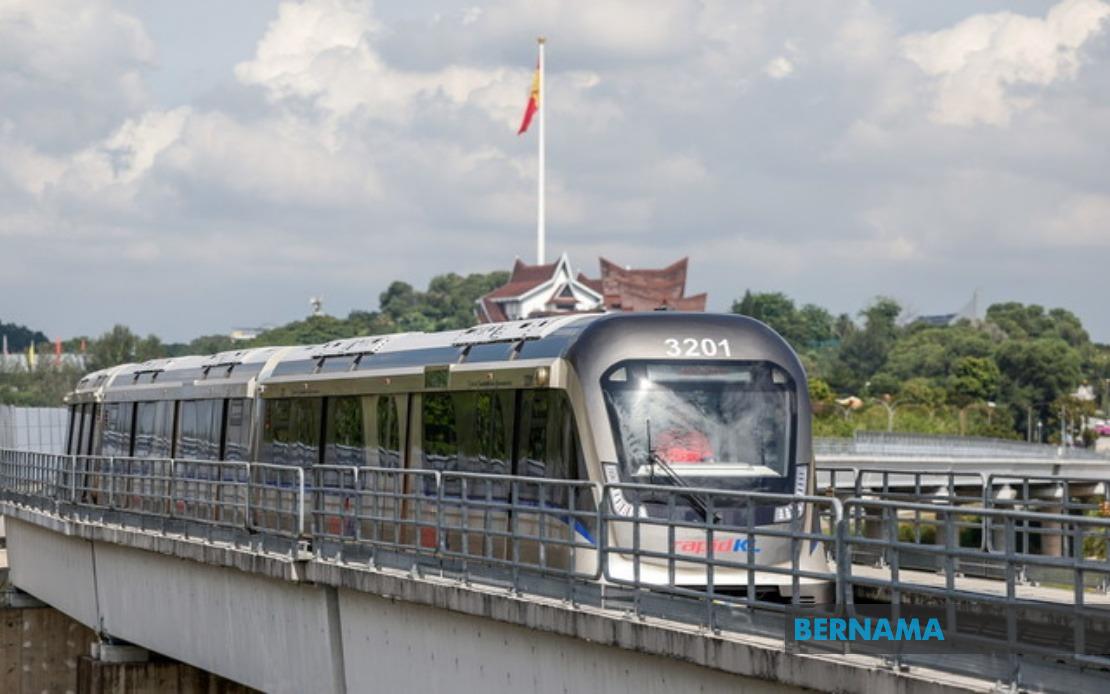
The Light Rail Transit 3 (LRT3) Shah Alam Line has reached completion and will be handed over to the public following an official ceremony led by Prime Minister Datuk Seri Anwar Ibrahim on Sunday, June 28. The 37.8-kilometre transit corridor stretches from Bandar Utama to Johan Setia, representing a significant expansion of the Klang Valley's rail infrastructure and one of the region's most anticipated transport projects in recent years.
Mohd Ariffin Idris, the line's chief, announced during a media preview that the Prime Minister will use the launching ceremony to reveal both the commercial opening date and operational hours for services. This two million-strong population living along the route stands to benefit substantially from the new transport option, which promises to reduce travel times and ease congestion on existing roads. The announcement of specific service commencement details will provide commuters with concrete timelines for journey planning.
The line incorporates 20 strategically distributed stations designed to serve diverse communities and employment centres. Ten stations serve the northern section: Bandar Utama, Kayu Ara, BU 11, Damansara Idaman, Subang, Glenmarie 2, Kerjaya, Stadium Shah Alam, Dato' Menteri, and UiTM Shah Alam. The southern stretch encompasses Seksyen 7 Shah Alam, Bandar Baru Klang, Pasar Klang, Jalan Meru, Jambatan Kota, Taman Selatan, Seri Andalas, Klang Jaya, Bandar Bukit Tinggi, and Johan Setia. This distribution reflects considerable attention to geographic balance and accessibility across municipal boundaries.
Interconnectivity with existing rail networks addresses a persistent gap in the Klang Valley's transport ecosystem. Passengers transferring at Bandar Utama can access the Kajang Line, while the Glenmarie 2 interchange connects to the Kelana Jaya Line. These junction points create genuine network effects, allowing travellers to plan multi-modal journeys across the broader metropolitan area rather than remaining confined to isolated corridors. Such integration is critical for encouraging modal shift away from private vehicles.
Comprehensive feeder infrastructure complements the rail service. Forty dedicated buses operating across thirteen routes with 323 stops provide first-and-last-mile connectivity at just RM1 per journey between 6 am and 11.30 pm. Additionally, Rapid On-Demand van services deploy 44 vehicles across twenty zones at RM2 per trip during identical hours. These complementary modes address a traditional weakness of rail networks: the problem of accessing stations from residential areas not directly adjacent to the line. Prasarana has prudently committed to refining these services based on actual commuter behaviour once operations commence.
Parking facilities at six designated stations—Kayu Ara, Damansara Idaman, Pasar Besar Klang, Sri Andalas, Bandar Bukit Tinggi, and Johan Setia—provide 2,300 bays to support park-and-ride usage patterns. This provision recognises the reality that residents in suburban Shah Alam and surrounding areas may drive to stations rather than depend entirely on feeder buses. Strategic placement at major destination points and interchange nodes maximises utilisation.
Projected ridership figures reveal cautious optimism tempered by realistic expectations. Prasarana anticipates 67,000 daily passengers during the first operational year, escalating to 117,708 daily by year five. These conservative estimates reflect lessons from earlier rail extensions and account for the time typically required for commuter behaviour modification. The trajectory suggests confidence in the line's utility without over-inflating expectations that could disappoint stakeholders.
Environmental sustainability permeates the project's design and operation. The light rail vehicles employ inverter-based air conditioning systems that reduce energy consumption significantly compared to conventional cooling. Station architecture maximises natural daylight penetration and cross-ventilation, minimising dependence on artificial lighting and air-conditioning during daylight hours. These features align Malaysia's transport sector with regional and global commitments to decarbonisation while reducing operational costs for the long term.
Accessibility receives particular emphasis across the entire network. Every station includes wheelchair ramps, disability-accessible toilet facilities, and reserved seating in all train carriages designated for persons with disabilities. This commitment ensures that the line serves not merely able-bodied commuters but genuinely welcomes passengers with mobility challenges—a standard sometimes neglected in transport planning despite representing both equity and sound public policy.
Physical expansion remains on the agenda. Five additional stations—Tropicana, Raja Muda, Temasya, Bukit Raja, and Bandar Botanik—are scheduled for reconstruction. Mohd Ariffin confirmed that work on these facilities will commence by year-end, suggesting a phased enhancement strategy. This staged approach permits current operations to stabilise while supporting future capacity and geographic reach increases.
The LRT3 Shah Alam Line represents more than mere transport infrastructure; it embodies coordinated urban planning combining transit, parking, feeder services, and accessibility into an integrated system. For Malaysian policymakers and planners, the project demonstrates how comprehensive planning can transform mobility in growing metropolitan areas. The line's imminent opening provides an opportunity to monitor whether projections materialise and whether commuters embrace rail travel at the anticipated scale, offering valuable lessons for future transit expansion across Southeast Asia's rapidly urbanising regions.

