Prime Minister Datuk Seri Anwar Ibrahim will undertake a two-day working visit to Brunei beginning August 21, culminating in his attendance at the 27th Annual Leaders' Consultation (ALC-27), the premier bilateral engagement mechanism between the two neighbouring Southeast Asian nations. The visit underscores the continuing importance both governments place on direct high-level dialogue to navigate shared challenges and opportunities in an evolving regional landscape.
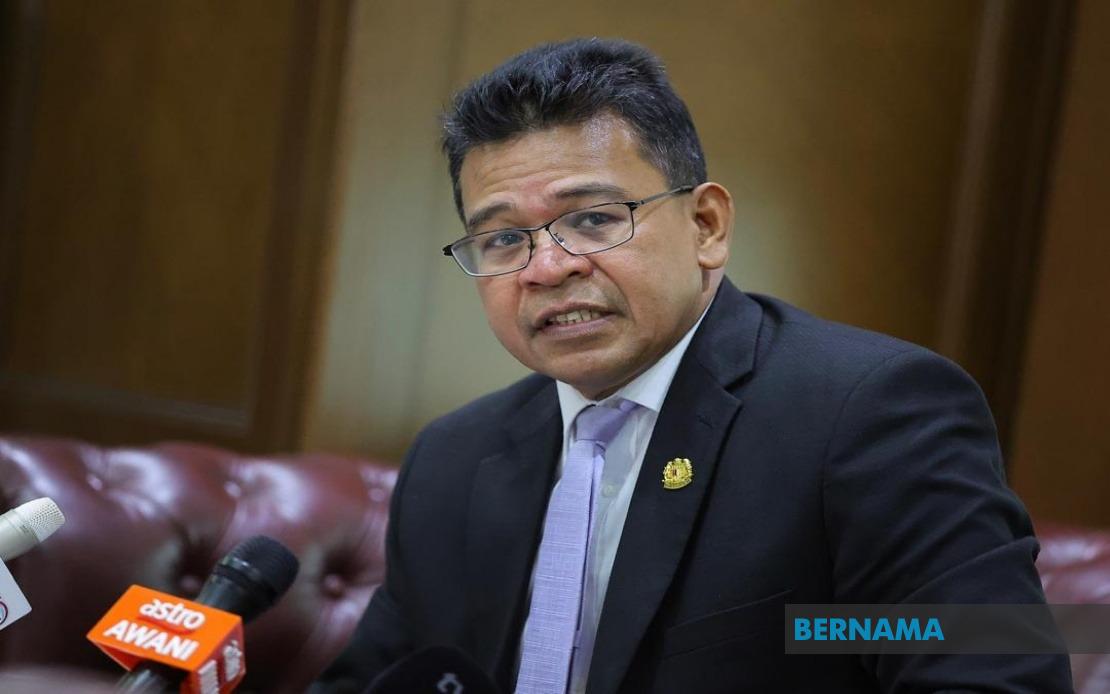
According to Malaysian High Commissioner to Brunei Datuk Mohd Aini Atan, the annual leaders' consultation represents the apex of the bilateral relationship, providing the most authoritative platform for dialogue between the two administrations. The format, established over decades of cooperation, allows the premier and Sultan to conduct comprehensive reviews of existing partnerships while charting the course for future endeavours.
During the consultation, Anwar and Sultan Hassanal Bolkiah will conduct a thorough assessment of how bilateral relations and cooperative frameworks have progressed over the preceding year. This evaluation extends beyond routine administrative matters to encompass strategic considerations affecting both nations' interests in the broader region. The two leaders are also expected to deliberate on pressing regional and international developments that carry implications for Malaysia and Brunei as ASEAN members navigating a complex geopolitical environment.
The Malaysia-Brunei relationship, formally institutionalised in 1984, has evolved into what both governments characterise as particularly intimate and multifaceted. As adjacent nations sharing land and maritime borders, cultural affinities, and membership in regional frameworks, the two countries have developed mechanisms for cooperation spanning defence, trade, environmental stewardship, and social exchange. The upcoming consultation will provide an opportunity to strengthen these established bonds whilst exploring new areas of mutual benefit.
In practical terms, the visit reflects efforts to operationalise cooperation agreements previously negotiated. Most notably, the relevant ministers from both delegations will formalise a Memorandum of Understanding focused on disaster management cooperation. For Malaysia and Brunei, both vulnerable to natural disasters including flooding, typhoons, and forest fires, such frameworks enable coordinated response mechanisms and knowledge-sharing that can enhance civilian protection and emergency preparedness across the peninsula and Brunei.
Preceding the main leaders' consultation, Foreign Minister Datuk Seri Mohamad Hasan will chair the 27th Malaysia-Brunei Exchange of Letters Implementation Meeting in tandem with Brunei's Second Minister of Foreign Affairs, Datuk Seri Setia Erywan Mohd Yusof. This preparatory mechanism permits officials to take stock of how previous agreements are being implemented on the ground, identify obstacles to progress, and prepare concrete recommendations for the prime ministerial discussions. The EOL meeting will specifically examine outcomes from last year's 26th Annual Leaders' Consultation held in Putrajaya, ensuring continuity and accountability in bilateral initiatives.
The delegation accompanying Anwar carries substantial symbolic and practical weight. Alongside Foreign Minister Mohamad Hasan, the prime minister will be joined by Sarawak Premier Tan Sri Abang Johari Tun Openg and Sabah Chief Minister Datuk Seri Hajiji Noor, representatives of Malaysia's two Borneo states that share geographical proximity and maritime boundaries with Brunei. Their presence signals that bilateral matters encompass not merely federal-level considerations but also subnational partnerships, particularly regarding border cooperation, regional development, and cross-boundary commerce. Minister of Investment, Trade and Industry Datuk Seri Johari Abdul Ghani rounds out the delegation, indicating that economic partnerships will feature prominently in discussions.
Commercial ties between the two nations demonstrate substantial vitality despite Brunei's small population and narrow economic base. In 2025, bilateral trade reached RM5.86 billion, with Malaysian exports to Brunei totalling RM4.20 billion whilst imports from the sultanate accounted for RM1.66 billion. This trade composition reflects Malaysia's positioning as a substantial supplier of manufactured goods and agricultural products to the Brunei market, whilst Brunei's relatively modest export volume underscores its reliance on petroleum revenues and limited diversification. More recent data covering the first half of 2026 indicate cumulative trade of RM2.38 billion, suggesting a pace broadly consistent with previous years, though detailed year-on-year comparisons would require access to corresponding figures from the prior period.
From a Malaysian perspective, the Brunei engagement remains strategically consequential for several reasons. First, Brunei's wealth and stability derived from hydrocarbon reserves make it a valuable partner for Malaysian businesses seeking regional markets and investment opportunities. Second, as a small state positioned between Malaysia and Indonesia, Brunei's alignment with Malaysian positions on regional governance, maritime security, and ASEAN affairs provides diplomatic weight in forums where consensus proves elusive. Third, Brunei's geographic location makes it integral to Malaysian interests in the South China Sea and the broader Indo-Pacific, where freedom of navigation and resource security remain contested.
For Southeast Asian readers, particularly those in Malaysia, this bilateral engagement exemplifies the diplomatic engagement that underpins regional stability. Despite occasional tensions over maritime boundaries and resource extraction, Malaysia and Brunei have institutionalised their differences through regular dialogue and cooperation frameworks. The ALC-27 reflects this mature approach to managing neighbourly relations, one in which direct communication, formalised procedures, and mutual respect for sovereignty sustain peaceful coexistence and collaborative problem-solving.

