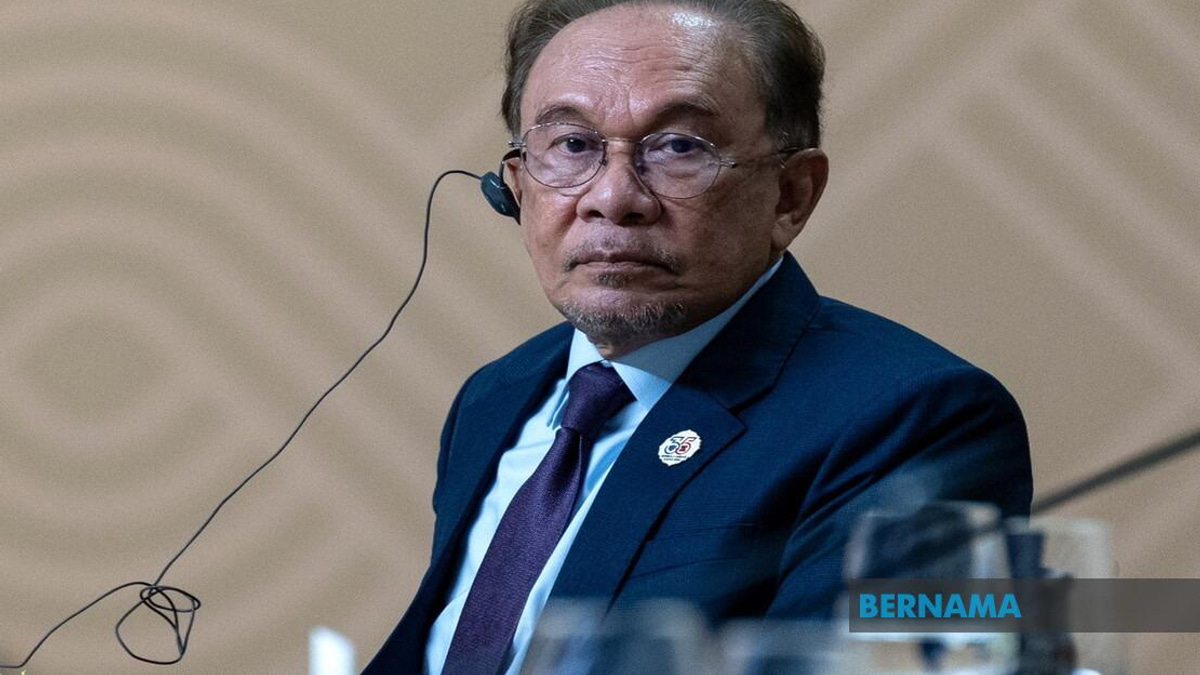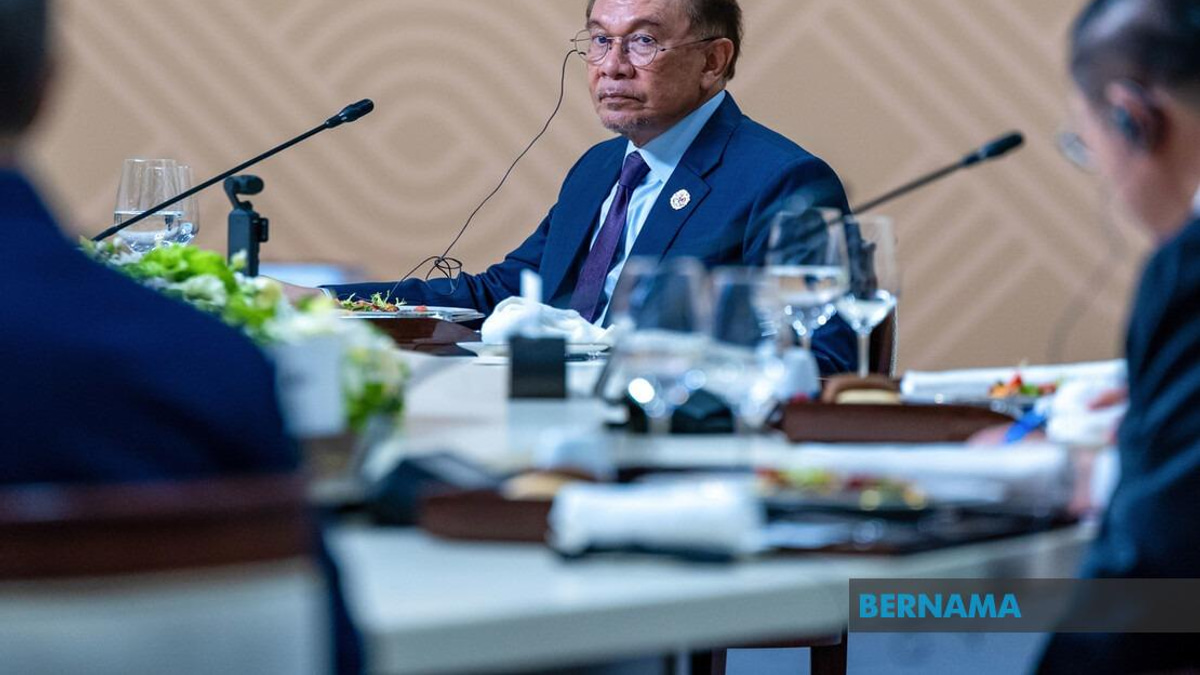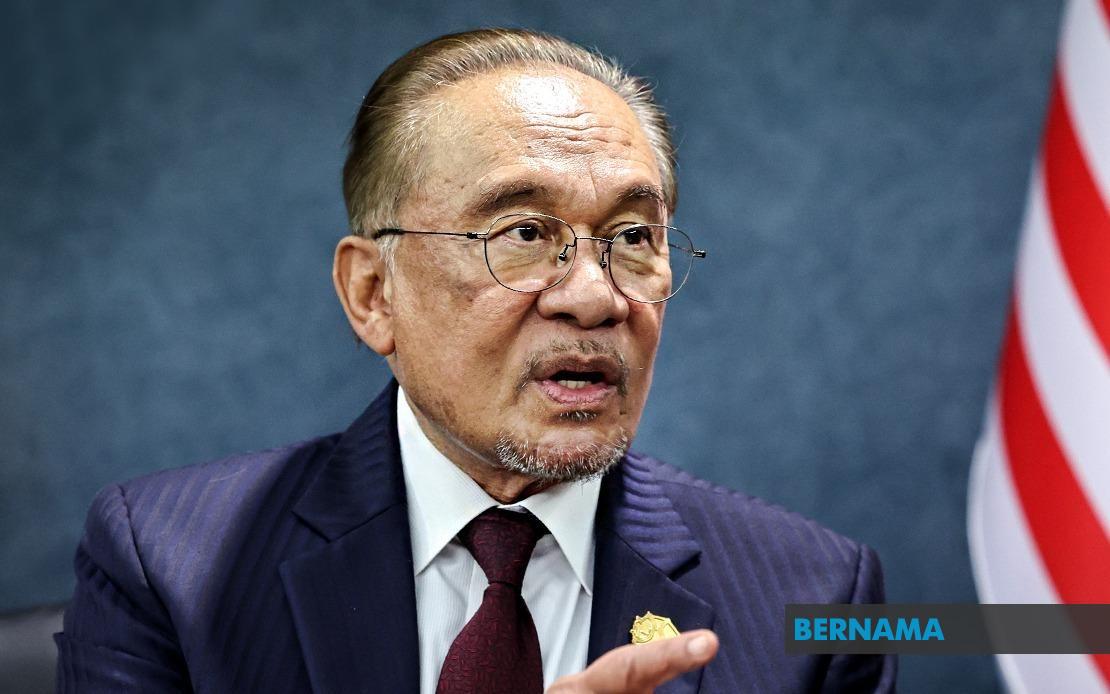
Prime Minister Datuk Seri Anwar Ibrahim is taking centre stage at the ASEAN-Russia Business Forum in Kazan, where he will outline Malaysia's vision for strengthened economic ties between Southeast Asia and Russia. The address, delivered at Kazan IT Park, positions Malaysia as a leading voice in advancing regional cooperation during a pivotal moment in ASEAN-Russia relations. Anwar, simultaneously holding the Finance Minister portfolio, brings considerable economic authority to his remarks directed at business representatives and government officials from across the ASEAN member states and Russia.
The timing of this engagement carries particular significance, arriving at a juncture when ASEAN nations are carefully calibrating their relationships with global powers. Kazan, nestled at the convergence of the Volga and Kazanka rivers approximately 800 kilometres east of Moscow, has emerged as Russia's ceremonial third capital—a designation reflecting its cultural and economic importance. With roughly 1.3 million inhabitants, the city functions as a cultural bridge between European and Islamic civilisations, a symbolism not lost on summit organisers selecting it as the venue for this high-level dialogue.
The summit itself carries historical weight, commemorating 35 years since ASEAN and Russia formalised dialogue relations in 1991. The relationship has progressed substantially from those early exchanges. Russia's elevation to full ASEAN Dialogue Partner status in 1996 represented a tangible commitment to deeper engagement, a process that culminated in the 2018 Strategic Partnership designation. This trajectory demonstrates both regions' recognition that economic, political, and security interests increasingly overlap across maritime, energy, and technology domains.
Beyond the business forum, Anwar's schedule encompasses formal state interactions underscoring Malaysia's diplomatic priority attached to this summit. The gala dinner at the Tatar State Academic Theater will provide an intimate setting for discussions among ASEAN and Russian leadership. His scheduled courtesy call on Russian President Vladimir Putin offers an opportunity to discuss bilateral priorities and regional challenges in a one-on-one diplomatic setting, reinforcing Malaysia's commitment to maintaining dialogue channels at the highest levels.
The bilateral trade relationship between Malaysia and Russia reflects both nations' pragmatic approach to commerce despite geopolitical complexities. In 2025, Russia ranked as Malaysia's ninth-largest European trading partner, with bilateral trade reaching RM8.72 billion or USD2.04 billion. This figure demonstrates meaningful economic interdependence, though the trade relationship remains underdeveloped relative to the scale of both economies. Malaysian electrical and electronic products, machinery, equipment and components represent the primary export categories, alongside processed food items destined for Russian consumers. Conversely, Malaysian importers rely substantially on Russian petroleum products, minerals, and chemical-based goods, reflecting complementarities in their respective production capabilities.
Broader ASEAN-Russia trade figures illustrate the collective importance of this engagement framework. The 2024 data recorded USD18.1 billion in total bilateral trade, a modest figure when measured against ASEAN's overall global trade volumes but nonetheless significant for Russia seeking greater integration with dynamic Asian economies. Russian foreign direct investment in ASEAN totalled USD92.97 million, equivalent to RM367.90 million—a relatively modest quantum suggesting considerable untapped potential for capital flows once geopolitical uncertainties diminish or when sectors offering competitive returns gain clarity regarding investment protections.
Kazan's selection as the summit venue extends beyond mere geography or administrative convenience. The city's historical trajectory spanning more than a millennium reflects its enduring importance as a crossroads of cultures and commerce. Its recognition as a centre of Islamic civilisation carries resonance with ASEAN, home to the world's largest Muslim population in Indonesia and significant Muslim majorities across Malaysia, Brunei, and Bangladesh. This cultural affinity provides foundations for people-to-people exchanges and economic partnerships transcending the purely transactional.
For Malaysian policymakers, this summit represents an opportunity to articulate Southeast Asian perspectives on global governance, security architecture, and economic cooperation frameworks. Malaysia's dual positioning—as a developed-aspiring economy with substantial Islamic representation and as a consistent ASEAN voice advocating multilateral engagement—positions Anwar to advocate for approaches balancing regional concerns with pragmatic acceptance of Russia's geopolitical ambitions. The forum allows Malaysia to shape discourse surrounding economic cooperation modalities that benefit member states whilst respecting sovereignty principles ASEAN considers foundational.
The commemorative dimension of this gathering warrants emphasis, as it permits reflection on three and a half decades of engagement that have weathered Cold War endgames, post-Soviet transitions, and contemporary multipolar recalibrations. ASEAN's maintenance of constructive dialogue with Russia throughout these transformations reflects the bloc's longstanding commitment to inclusive regionalism and non-alignment principles. By engaging Russia actively rather than isolating it, ASEAN nations demonstrate strategic autonomy and confidence in their capacity to manage complex relationships without subordinating themselves to external pressures.
Looking forward, the business forum context suggests both regions recognise untapped economic potential. Energy cooperation represents an obvious domain—Russia supplies approximately one-third of global liquefied natural gas, whilst ASEAN comprises significant energy consumers with developing technological sectors. Infrastructure development across mainland Southeast Asia presents another avenue, where Russian expertise in large-scale projects could complement Chinese investments, introducing competition that improves project quality and reduces dependency risks. Technology and digitalisation partnerships align with Malaysia's emphasis on Fourth Industrial Revolution competencies and Kazan's status as an IT hub.
Anwar's presence underscores Malaysia's recognition that regional prosperity increasingly depends on sophisticated engagement with multiple powers rather than exclusive alignments. By actively participating in ASEAN-Russia forums whilst maintaining robust economic relationships with China, India, Japan, South Korea, and Western nations, Malaysia exemplifies the strategic pluralism required for medium-sized economies navigating contemporary geopolitical dynamics. The Business Forum and accompanying summit conversations provide forums for articulating this balanced approach whilst identifying concrete cooperation mechanisms yielding mutual benefits.
The summit also provides Malaysia with platforms to advance ASEAN-wide priorities, particularly regarding maritime security, regional stability, and economic resilience. By engaging Russia constructively on these issues, ASEAN nations work toward security frameworks encompassing multiple stakeholders, reducing risks of proxy conflicts or great power competition destabilising Southeast Asian waters and territories. Anwar's remarks at the business forum will likely emphasise these themes, presenting economic cooperation as inseparable from political stability and mutually respected boundaries of influence that characterise genuine partnership rather than dominion.