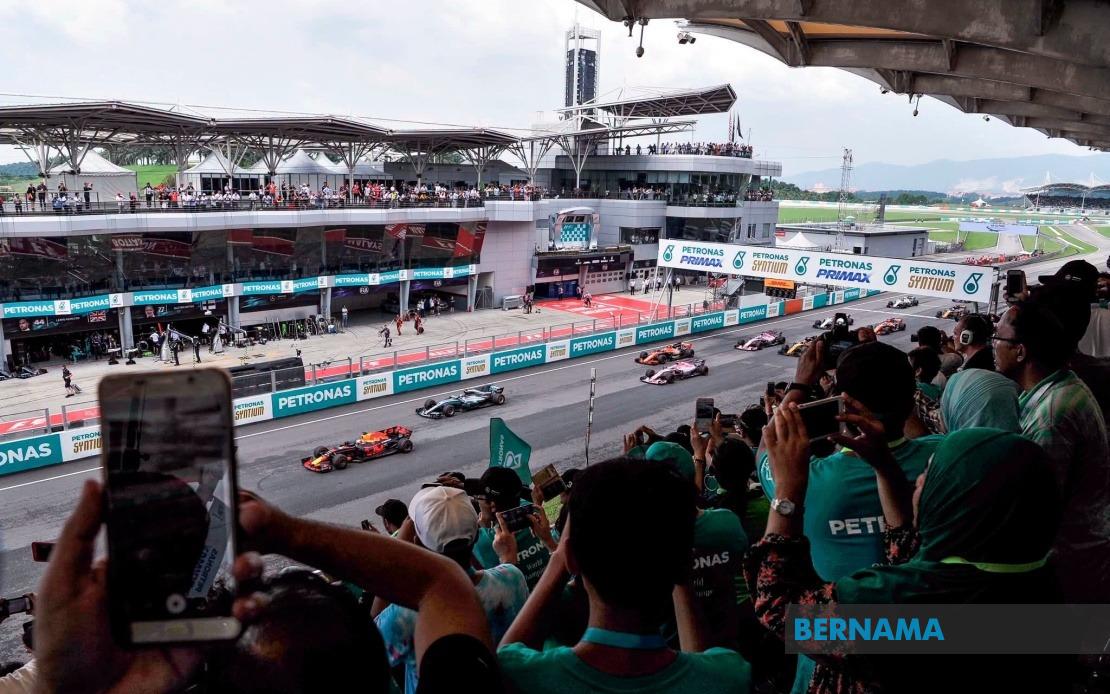
Prime Minister Datuk Seri Anwar Ibrahim has opened the door for thousands of Malaysians to experience Formula 1 racing live by announcing exclusive MADANI Tickets priced as low as RM200 for MyKad holders attending the Gulf Air Bahrain Grand Prix. The initiative marks a significant move to democratise access to one of motorsport's most prestigious events, which will take place at Sepang International Circuit (SIC) during the race weekend scheduled for October 2 to 4. By offering discounted three-day passes exclusively to Malaysian citizens, the government aims to ensure the sport remains accessible to ordinary Malaysians rather than becoming the preserve of affluent international tourists.
The announcement follows weeks of diplomatic negotiation between Kuala Lumpur and Bahrain, culminating in a mutual agreement to bring the prestigious championship event to Malaysia's doorstep once again. This outcome represents a significant diplomatic win for the government, as it secures a marquee international sporting event that will generate substantial economic activity, global media attention, and tourism revenue for the country. The cooperation underscores Malaysia's continued relevance on the global motorsport stage despite the complications and costs that have characterised major event hosting in recent years.
The backstory to this event reveals the complex geopolitical and logistical challenges facing Formula 1 and the Middle East region. The Bahrain Grand Prix was originally scheduled for April at the Bahrain International Circuit but faced postponement due to heightened tensions across West Asia. Rather than abandoning the race entirely, Formula 1 and the Fédération Internationale de l'Automobile (FIA) sought an alternative venue, and Sepang emerged as an ideal solution given its world-class facilities and Malaysia's established expertise in hosting high-profile motorsport competitions. This flexibility demonstrates how major sporting events navigate geopolitical volatility by leveraging secondary venues that meet international standards.
For Malaysia, hosting the Bahrain Grand Prix represents a remarkable revival of the country's role in Formula 1 after nearly a decade of absence. Sepang International Circuit was the home of the Malaysian Grand Prix for nearly two decades, running from 1999 until 2017, when the race was discontinued from the official calendar. The decision to drop the Malaysian GP had been driven by escalating hosting costs and increasingly burdensome licensing fees demanded by Formula 1's commercial rights holders. These financial pressures reflected broader trends in international motorsport, where only the wealthiest nations and regions could justify the enormous expenditure required to maintain a place on the championship calendar. Malaysia's previous status as a regular host thus gives the country both the infrastructure credentials and the motorsport heritage to deliver a successful event.
The MADANI Ticket initiative specifically targets Malaysian citizens by requiring MyKad identification, ensuring that government subsidies directly benefit the domestic population. The pricing structure, beginning at RM200 for three-day access, represents a deliberate effort to position F1 as a spectacle within reach of middle-income Malaysians rather than exclusively catering to the wealthy elite. In comparison, F1 ticket pricing internationally often reaches several hundred dollars per day, making this offering genuinely competitive. The government's willingness to absorb or subsidise the gap between the RM200 price point and the actual cost of providing hospitality and security for three days demonstrates a commitment to sports tourism as a public good rather than a purely commercial enterprise.
From an economic perspective, the arrival of Formula 1 promises significant multiplier effects across the Malaysian tourism and hospitality sectors. The event will attract international visitors, media personnel, and industry professionals who will require accommodation, dining, ground transportation, and entertainment services. Hotels throughout the Klang Valley are likely to benefit from demand spikes during the October race weekend. Retailers, restaurants, and tourism operators will similarly experience increased foot traffic. Beyond the immediate race weekend, the global broadcast of the event—reaching hundreds of millions of viewers worldwide—provides invaluable marketing exposure for Malaysia as a destination for premium sporting experiences and, by extension, as a business-friendly, world-class venue for major events.
The announcement also signals the government's broader investment in sports infrastructure and event hosting as part of its economic development strategy. By securing the Bahrain Grand Prix and making it accessible to ordinary Malaysians, the administration demonstrates responsiveness to public sentiment while simultaneously pursuing high-profile international partnerships. This dual messaging—emphasising both inclusivity for citizens and Malaysia's standing as a sophisticated host nation—serves multiple political objectives. It positions the government as delivering tangible benefits to voters while burnishing Malaysia's international reputation.
Practical details regarding ticket distribution, hospitality arrangements, and the precise sale mechanism remain pending, with Sepang International Circuit expected to release further information in the coming weeks. Malaysians interested in attending will need to await official announcements regarding application procedures, available seat categories, and whether additional premium options exist beyond the base RM200 offering. The staggered information release also maintains momentum and media interest in the event through multiple announcement cycles, maximising the promotional benefit for both the government and Sepang International Circuit.
For Southeast Asia more broadly, this development reinforces the region's position as a competitive venue for world-class sporting events. While Singapore has long hosted major motorsport competitions, Malaysia's ability to attract Formula 1 despite being away from the calendar for nine years demonstrates the enduring quality of its facilities and the diplomatic acumen required to negotiate complex international event rights. The region collectively benefits when individual nations can host prestigious events, as it elevates perceptions of Southeast Asia as a destination capable of delivering world-standard entertainment and tourism experiences.
Looking ahead, the success of the October 2026 Bahrain Grand Prix at Sepang will likely influence discussions about Malaysia's longer-term involvement in Formula 1. Should the event proceed smoothly and deliver the anticipated economic and tourism benefits, the government may pursue negotiations to establish the race as a permanent fixture on the calendar rather than a one-off arrangement. Conversely, any logistical challenges or financial disappointments could dampen enthusiasm for future F1 hosting. The initiative thus represents both an immediate opportunity and a test case for Malaysia's competitiveness in the high-stakes arena of international motorsport events.

