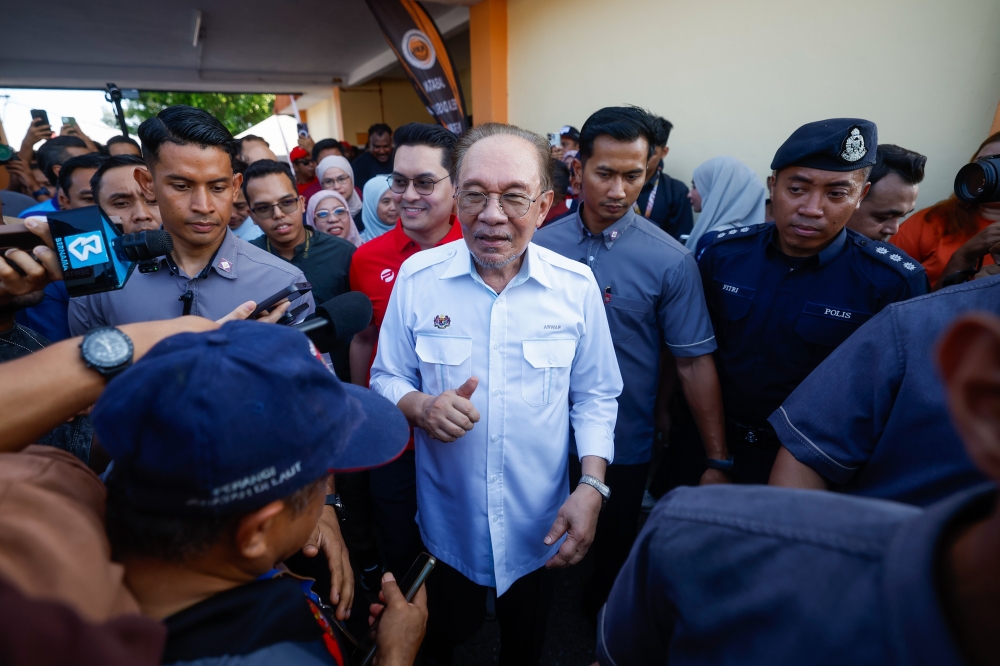
Prime Minister Datuk Seri Anwar Ibrahim has successfully completed an elective laparoscopic surgical procedure, with attending physicians confirming the operation proceeded without complications. The medical team overseeing the premier's care has instituted comprehensive post-operative protocols to support his recovery and ensure continued fitness for his demanding executive role.
The decision to proceed with elective surgery while in office reflects both the routine nature of such procedures in modern medical practice and the confidence that healthcare specialists place in Anwar's overall health status. Laparoscopic surgery, which relies on minimally invasive techniques using small incisions and specialised instruments, typically permits faster recovery and reduced hospitalisation compared to traditional open surgical approaches. This technological advancement has made it possible for senior government officials to address medical needs without prolonged absences from their duties.
The timing of the procedure underscores the importance of proactive healthcare management for individuals holding high office. Rather than delaying necessary medical intervention, Anwar's decision to undertake the elective operation reflects a pragmatic approach to health maintenance. Such planning allows medical teams to prepare thoroughly, schedule appropriate support staff, and establish recovery timelines that minimise disruption to government operations. The confirmed success of the surgery removes a potential health concern from the immediate future.
Government operations have continued under established protocols during the procedure and immediate recovery period. Malaysia's institutional structures ensure administrative continuity regardless of temporary incapacity among senior officials, with delegated authority and established chains of command enabling the machinery of state to function seamlessly. Deputy Prime Minister and other senior ministers maintain their responsibilities, and critical decision-making processes remain active through existing frameworks.
The medical team's commitment to strict observation during the post-operative period reflects standard clinical practice for prominent patients, where comprehensive monitoring addresses both physical recovery and any potential complications. Such vigilance typically includes regular vital sign assessments, pathology monitoring, mobility progression, and careful nutritional support. For a leader whose calendar demands peak performance, these protocols ensure any minor issues receive immediate attention before affecting his capacity to discharge official duties.
Anwar's transparency regarding his medical situation stands in marked contrast to historical precedent in Malaysian politics, where prime ministerial health matters were often shrouded in secrecy. This openness serves multiple purposes: it reassures the public about government stability and leadership continuity, it demonstrates confidence in the medical outcome, and it reflects evolving standards of accountability in democratic governance. Citizens and international observers gain assurance that the nation's chief executive remains in capable hands.
The regional significance of Malaysian leadership stability extends beyond domestic concerns. As chair of ASEAN in the current cycle and a prominent voice in regional diplomacy, Anwar's health and availability affect broader Southeast Asian policy coordination and international engagements. His successful surgery and anticipated smooth recovery maintain Malaysia's ability to fulfil regional leadership responsibilities and contribute fully to multilateral initiatives.
From an institutional perspective, the handling of this medical situation highlights the maturity of Malaysia's governmental structures. The advance planning of elective surgery, transparent communication with relevant stakeholders, and clear establishment of medical oversight demonstrate sophisticated crisis management and succession planning. Such professionalism in addressing even routine medical matters reflects a political system increasingly focused on institutional continuity rather than personalised power structures.
The recovery trajectory for laparoscopic procedures typically extends over several weeks, with most individuals resuming normal activities within two to four weeks depending on the specific procedure and individual healing rates. Anwar's medical advisers will likely recommend gradual return to full operational tempo, beginning with less physically demanding duties before resuming the complete schedule of ceremonial, administrative, and diplomatic responsibilities that occupy a prime minister's calendar.
Public health discourse benefits when political leaders demonstrate that medical conditions require professional attention regardless of high office. Anwar's approach implicitly conveys to ordinary Malaysians that seeking timely medical intervention constitutes responsible self-care rather than an indication of weakness or incapacity. This cultural messaging carries weight in a society where some citizens delay necessary healthcare owing to stigma or competing priorities.
Looking ahead, the successful completion of this procedure removes a source of uncertainty and establishes a period of predictable recovery with clear medical benchmarks for return to full duties. The attending physicians' confidence in the outcome and their commitment to rigorous monitoring provide stakeholders—whether parliamentary colleagues, international partners, or the general public—with objective evidence that Malaysia's government remains stable and its leadership intact. The medical team's oversight ensures that any complications, however unlikely given the surgery's success, would be detected and addressed immediately, maintaining uninterrupted confidence in the prime minister's fitness for office.

