Prime Minister Datuk Seri Anwar Ibrahim has conveyed Malaysia's deepest sympathy to the Colombian people following a catastrophic earthquake that devastated the nation's western region, claiming over 100 lives and inflicting substantial infrastructure damage across multiple municipalities. In remarks posted on Facebook, the Prime Minister underscored Malaysia's commitment to standing alongside Colombia during this period of crisis and humanitarian challenge.
The earthquake, measuring 7.4 on the magnitude scale, represents the most significant seismic event to affect Colombia in several decades. Its epicentre was located in the Chocó region, though the tremors radiated outward to impact several major urban centres including Cali, Pereira, and Manizales, each experiencing considerable structural damage to buildings, infrastructure, and essential services. The scale of destruction triggered an immediate international humanitarian response, with nations worldwide mobilising support for rescue and relief operations.
In his statement, Anwar articulated Malaysia's formal condolences to the bereaved families who lost loved ones in the disaster, while also extending sympathy to the broader population grappling with displacement, injuries, and trauma. The Malaysian government's position reflects the diplomatic protocols typically observed when natural disasters of this magnitude occur, emphasising human solidarity transcending geographical and political boundaries. Such gestures carry significance in international relations, particularly as Malaysia seeks to maintain robust diplomatic ties with nations across the Americas.
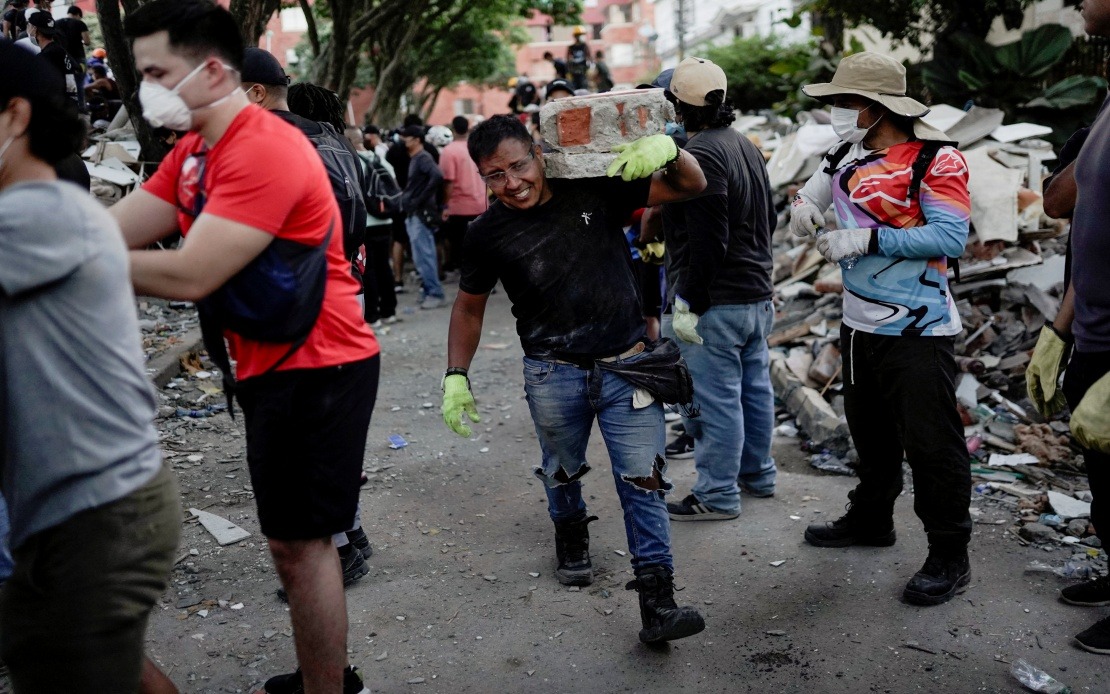
The Prime Minister accorded particular recognition to the heroic efforts of rescue personnel and volunteer organisations engaged in the grueling work of locating and extracting survivors from collapsed structures and debris fields. He acknowledged the ongoing challenges posed by aftershocks, which complicate rescue operations and heighten risks for both survivors trapped in damaged buildings and rescuers working in unstable conditions. These secondary tremors, often nearly as powerful as initial earthquakes, frequently cause additional casualties and hamper relief efforts during critical hours when survival prospects remain highest.
Malaysia's position of solidarity with Colombia reflects a broader principle of international humanitarian cooperation that has been a cornerstone of the nation's foreign policy orientation. As a developing country that has itself experienced natural disasters and environmental emergencies, Malaysia recognises the importance of international mutual aid during catastrophes. The expression of support from the Malaysian government carries particular weight given the nation's active participation in regional and global forums addressing disaster preparedness and humanitarian response mechanisms.
The earthquake's impact extends beyond immediate casualty figures to encompass longer-term challenges including economic disruption, healthcare system strain, and psychological trauma affecting entire communities. Seismic events of this magnitude typically trigger cascading consequences—damaged water and sanitation infrastructure, disrupted food supply chains, electrical system failures, and compromised medical facilities precisely when demand for health services peaks. The Colombian government faces months or years of reconstruction efforts requiring substantial financial resources and international technical support.
For the Southeast Asian region, including Malaysia, natural disasters of this scale serve as sobering reminders of the necessity for robust disaster preparedness frameworks and regional cooperation mechanisms. The Association of Southeast Asian Nations (ASEAN) has established protocols for coordinating humanitarian assistance during emergencies, drawing on collective experience managing earthquakes, tsunamis, floods, and other natural hazards common to the region's geographical characteristics. The Colombian earthquake underscores the universality of such challenges across different continents and the importance of maintaining well-developed emergency response capacities.
The Prime Minister's remarks also implicitly reinforce Malaysia's commitment to the international rules-based order and cooperative multilateralism, principles that guide the nation's approach to global affairs. During natural disasters, the boundaries between developed and developing nations become less relevant than the shared human imperative to save lives and alleviate suffering. Malaysia's vocal expression of support demonstrates its willingness to contribute to international solidarity, whether through diplomatic recognition, humanitarian material assistance, or technical expertise.
Looking forward, the reconstruction phase will present Colombia with substantial challenges requiring sustained international engagement. Malaysia, through its development cooperation initiatives and technical expertise in disaster management and infrastructure rehabilitation, may find opportunities to contribute meaningfully to Colombia's recovery efforts. Such involvement would extend bilateral relations beyond traditional diplomatic channels into concrete partnership addressing humanitarian needs and development reconstruction priorities that align with Malaysia's own experiences in managing post-disaster recovery and sustainable development.
The earthquake serves as a global reminder that natural hazards respect no borders and that preparedness requires continuous investment in early warning systems, building codes, emergency response training, and public education. Colombia's experience will likely prompt regional and international reviews of seismic preparedness standards, particularly in vulnerable urban centres where high population density and aging infrastructure magnify disaster consequences. Malaysia's engagement with Colombia during this crisis reflects the nation's broader commitment to humanitarian principles and international cooperation that characterise its diplomatic engagement in an increasingly interconnected world.

