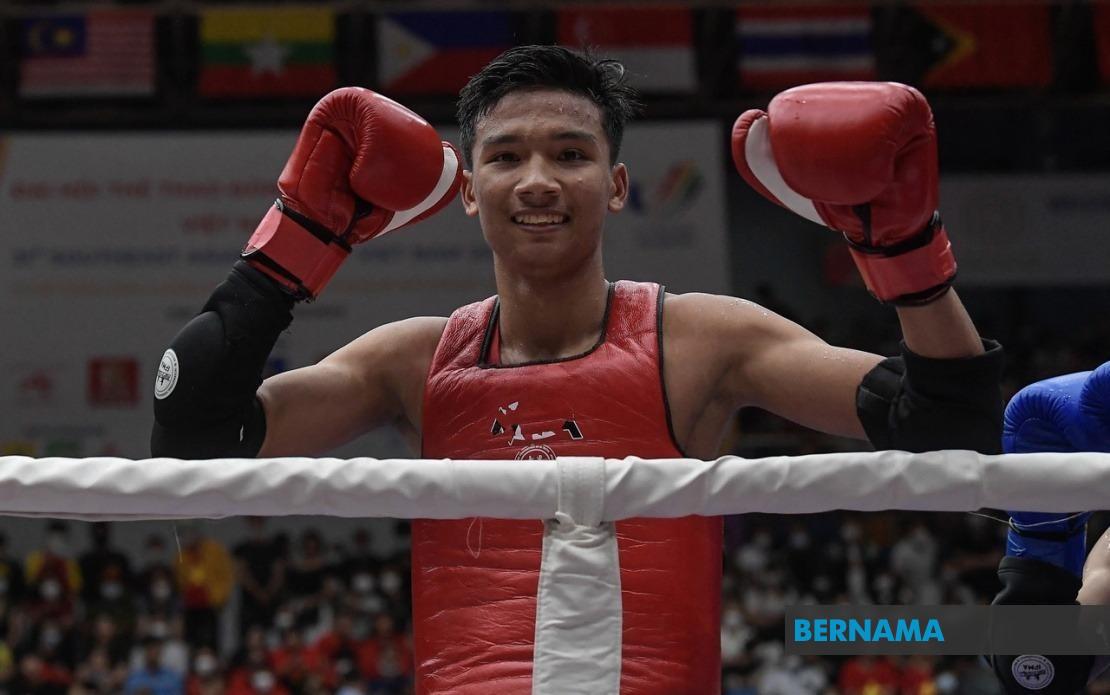
Prime Minister Datuk Seri Anwar Ibrahim has thrown his political weight behind a landmark moment for Malaysian combat sports, calling on the nation to unite in support of Muay Thai athlete Ahmad Nor Iman Aliff Rakib as he prepares to contest for the ONE Interim Strawweight Muay Thai World Championship. Through a Facebook post issued on July 22, Anwar highlighted the historical significance of the upcoming Friday bout, framing it not merely as a sporting contest but as an opportunity for Malaysia to establish itself on the international combat sports stage.
The Prime Minister's intervention underscores the growing recognition among Malaysia's political leadership that athletic achievement carries wider national implications. By publicly endorsing Ahmad Nor Iman Aliff's championship aspirations, Anwar has elevated what might otherwise be a specialist sporting event into a matter of national pride and collective endeavour. Such high-profile endorsements from the highest office reflect a deliberate strategy to harness sporting success as a tool for national branding and morale, particularly in disciplines where Malaysian representation has historically been limited.
Ahmad Nor Iman Aliff faces an imposing challenger in Sam-A Gaiyanghadao, a Thai Muay Thai legend whose experience and pedigree in the sport are formidable. The bout will take place at Lumpinee Stadium in Bangkok, one of the sport's most prestigious venues and a location steeped in Muay Thai tradition and excellence. This setting adds considerable weight to the encounter, as Lumpinee Stadium serves as the crucible where elite practitioners of the art have tested themselves for generations.
The significance of this championship opportunity cannot be understated for Malaysian combat sports development. Ahmad Nor Iman Aliff would become the first Malaysian combat sports athlete to secure a world title opportunity in his discipline, marking a watershed achievement that has eluded the nation's representatives despite growing investment and interest in mixed martial arts and traditional combat sports. This pioneering status carries symbolic weight beyond the octagon, suggesting that Malaysian athletes can compete at the absolute pinnacle of global sporting competition.
Anwar's call for collective support reflects an understanding that international sporting success, particularly in niche disciplines, thrives when backed by national momentum and public confidence. The Prime Minister's message frames the championship bout as more than an individual athlete's pursuit, positioning it instead as a collective national endeavour. This framing encourages Malaysians to view Ahmad Nor Iman Aliff's preparation and performance as representative of Malaysian capability and determination on the world stage.
For the Muay Thai athlete himself, prime ministerial endorsement carries practical and psychological dimensions. Public backing from the nation's leader amplifies visibility of the bout, potentially drawing larger domestic audiences and media coverage than might otherwise be expected. Such heightened attention can translate into increased sponsorship opportunities and financial support, while the psychological boost of knowing one's nation stands behind one's efforts can prove invaluable in the intensity of championship competition.
The broader context of Malaysian sport development suggests this moment arrives at a time when the nation is actively seeking to diversify its sporting profile beyond traditional strongholds such as badminton and squash. Combat sports represent a frontier of expansion, with growing participation rates and emerging talent pools. Ahmad Nor Iman Aliff's opportunity thus embodies potential pathways for Malaysian athletes in disciplines that have traditionally been dominated by East and Southeast Asian nations with longer histories of development.
Sam-A Gaiyanghadao's status as an established legend presents both challenge and opportunity for Ahmad Nor Iman Aliff. While facing an opponent of such calibre might appear daunting, victory against a recognised master would carry particular prestige and recognition within the international Muay Thai community. Conversely, a competitive showing against such an experienced campaigner would establish Ahmad Nor Iman Aliff's credentials as a world-level athlete capable of contending with the sport's elite practitioners.
The ONE Championship platform provides an important vehicle for Ahmad Nor Iman Aliff's ambitions, as the promotion has systematically developed strawweight divisions and elevated athletes from the broader Asian region. By competing within this framework, Ahmad Nor Iman Aliff gains access to world-class competition and exposure to global audiences, dimensions that were less accessible to previous generations of Malaysian martial artists. This structural improvement in opportunity reflects the maturation of combat sports infrastructure across Southeast Asia.
For Malaysian policymakers and sports administrators, Ahmad Nor Iman Aliff's championship opportunity offers both inspiration and a template for future investment. The athlete's progression to this level presumably reflects years of dedicated training, access to quality coaching, and financial resources—elements that the Malaysian sports establishment will likely seek to replicate and expand across other combat disciplines. Success in this instance could galvanise support for broader development programmes targeting emerging athletes in related fields.
The intersection of political support and athletic competition reflected in Anwar's statement represents a broader contemporary phenomenon wherein national leaders increasingly recognise sporting achievement as integral to national narrative and soft power. By backing Ahmad Nor Iman Aliff publicly, the Prime Minister contributes to a cultural environment where athletic excellence is valorised and resourced, potentially inspiring younger generations to pursue careers in combat sports and related disciplines.

