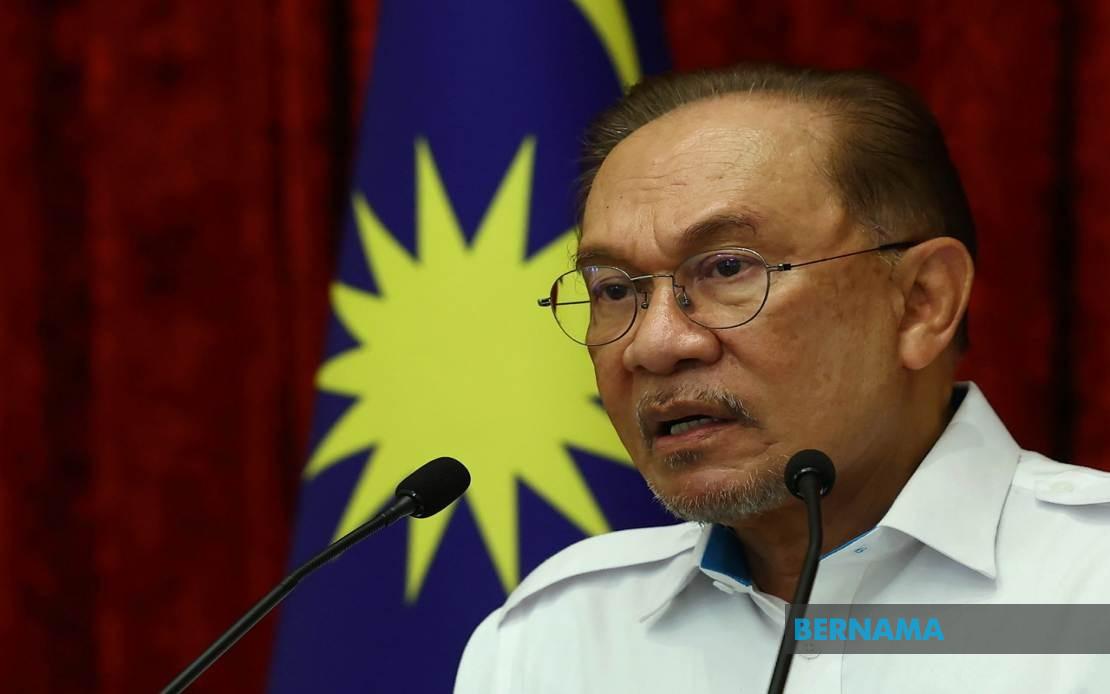
Prime Minister Datuk Seri Anwar Ibrahim conveyed his regrets through his office for not attending the Dewan Rakyat's special sitting on August 11 to participate in deliberations on the Royal Commission of Inquiry findings regarding Tabung Haji, Malaysia's pilgrim fund management body. The absence marked a notable gap in parliamentary proceedings given the high-profile nature of the inquiry and its implications for the Muslim community's trust in the institution.
According to a statement issued by Tunku Nashrul Abaidah, the Prime Minister's senior press secretary, Anwar is currently undergoing medical treatment and therefore unable to be present for the debate. Despite his physical absence, the statement emphasised his commitment to the matter, noting that he intends to maintain close oversight of the parliamentary discussion to ensure that the confidence placed in this important Islamic institution remains protected and strengthened. This approach reflects the delicate political and religious dimensions surrounding Tabung Haji, which manages savings and investments for millions of Malaysian Muslims preparing for the hajj pilgrimage.
The timing of Anwar's absence coincided with revelations about his recent health developments. His medical team's lead, Datuk Dr Asri Ranga Abdullah Ramaiah, disclosed via social media that the Prime Minister had successfully undergone an elective laparoscopic surgical procedure to address a para-umbilical hernia. The minimally invasive nature of the operation suggested a relatively straightforward intervention, though recovery and physiotherapy remain essential components of his treatment protocol.
Anwar's office stressed that his health condition is showing positive trajectory, with the Prime Minister continuing structured physiotherapy sessions administered by a dedicated team of medical specialists. The controlled rehabilitation process reflects a measured approach to his recovery, ensuring that he can gradually resume full official duties while maintaining the medical supervision necessary for his particular condition. This staged return to normal functioning is typical for individuals recovering from surgical procedures, even those classified as elective.
The Prime Minister's statement also included expressions of gratitude towards those who have offered prayers and well-wishes during his recovery period. The reference to his 79th birthday, which fell the day before his office issued the statement, underscored the personal dimension of the health matter. Birthday messages and expressions of public concern reflect the cultural and social significance attached to Malaysia's highest political office, where the physical wellbeing of the sitting Prime Minister carries implications for national governance and continuity.
The RCI report into Tabung Haji represents a significant institutional accountability exercise. The inquiry examined governance, management practices, and financial stewardship of the fund, which holds substantial assets and plays a crucial role in facilitating hajj participation for Malaysian Muslims. The findings likely contain recommendations addressing operational improvements and restoring public confidence in the fund's management following previous controversies and concerns about transparency and investment decisions.
Parliamentary debate on the RCI report carries weight beyond routine legislative business. The inquiry's conclusions and recommendations will shape future oversight mechanisms, governance structures, and public accountability frameworks governing Tabung Haji. The fact that a special sitting was convened specifically for this debate underscores its importance to the government and parliament, suggesting substantial findings warranting comprehensive legislative discussion and scrutiny.
Anwar's intention to follow the debate remotely demonstrates the expectation that parliamentary proceedings will be accessible to senior government figures even when physical attendance is not feasible. Modern communication technologies enable such oversight, allowing the Prime Minister to monitor discussions, assess parliamentary sentiment, and remain informed about the legislative process from his medical facility or recovery location. This practice is increasingly common among senior leaders managing concurrent health issues and state responsibilities.
The broader context of the debate extends to public concerns about Malaysian religious institutions and their governance. Tabung Haji serves not merely as a financial mechanism but as a symbol of institutional trust within the Muslim community. Any RCI findings regarding mismanagement or governance lapses carry implications beyond fiscal matters, potentially affecting how millions of Malaysian Muslims perceive and engage with the fund. The Prime Minister's emphasis on safeguarding institutional trust reflects recognition of these deeper concerns.
The parliamentary special sitting proceeded as scheduled despite Anwar's absence, indicating that his participation, while valuable, was not deemed essential to commencing the debate. The government likely had other senior ministers and parliamentary representatives prepared to articulate the administration's position on the RCI findings and any proposed regulatory responses. This arrangement ensured that parliamentary business continued without delay while allowing the Prime Minister to prioritise his medical recovery.
Anwar's health situation also carries implications for the broader political environment in Malaysia. The Prime Minister's effective functioning directly influences government operations, policy implementation, and political dynamics within the ruling coalition. Periods of reduced capacity due to medical treatment can create windows of uncertainty regarding decision-making authority and leadership clarity, though the government's proactive communication about Anwar's condition and prognosis aimed to minimise such concerns.
Looking forward, the RCI report on Tabung Haji and parliament's response will shape regulatory and governance frameworks affecting millions of Malaysian Muslims and billions in accumulated savings. The debate represents an opportunity for comprehensive legislative examination of institutional accountability, investment stewardship, and public trust restoration. The government's and Prime Minister's demonstrated commitment to monitoring these developments, even from a period of medical recovery, underscores the issue's political and social significance within Malaysia's institutional landscape.

