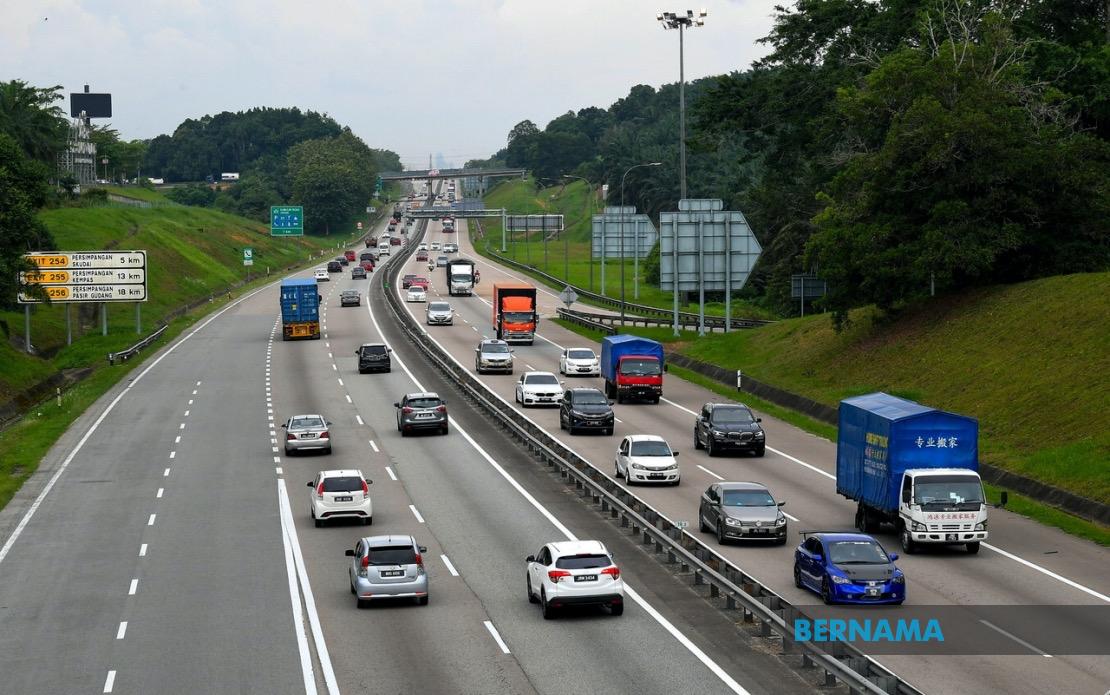
Malaysia's largest highway operator, PLUS Malaysia Berhad, is preparing for one of the year's heaviest traffic periods as the nation prepares for National Day celebrations coinciding with school holidays. The authority expects to handle up to 2.2 million vehicles daily across its network during the peak travel window spanning August 28 to 31 and September 4 to 7. This substantial volume reflects the traditional surge in intercity travel during the festive season, when Malaysian families journey across the peninsula for celebrations and holiday getaways.
To manage this anticipated congestion, PLUS is rolling out its Travel Time Advisory system through the MyPLUS-TTA feature on the PLUS App, which provides real-time digital scheduling to help distribute traffic loads more evenly throughout peak hours. Rather than relying on static departure times, this advisory tool offers dynamic guidance based on current conditions, enabling users to stagger their journeys and avoid bottlenecks at specific locations. The system represents an evolution beyond traditional traffic information, moving toward predictive management that can potentially reduce unnecessary clustering of vehicles at toll plazas and popular rest areas during the busiest periods.
The PLUS App itself has evolved into a comprehensive journey-planning platform extending well beyond toll payment. Motorists can access real-time traffic conditions, emergency assistance through the in-app SOS function, incident reports, estimated toll costs, locations of rest and service areas, and details about electric vehicle charging stations scattered along the network. This integrated approach aims to equip travelers with complete information before departing and throughout their journey, reducing uncertainty and allowing for better route selection and timing decisions.
Operationally, PLUS is deploying significant resources to handle the volume surge. The company is increasing staffing levels at toll plazas and rest areas, intensifying PLUSRonda patrol coverage—its mobile assistance service—and maintaining active monitoring through the Traffic Monitoring Centre. These personnel augmentations ensure that incident response remains rapid and that customer service issues can be addressed without exacerbating congestion. The enhanced presence at toll points is particularly crucial during peak hours when even minor delays can cascade across the network.
A key innovation being activated for this period is the Smart Lane system at 33 strategically selected locations identified as high-congestion risk areas. This dynamic lane management allows PLUS to flexibly allocate lanes based on real-time demand, essentially converting underutilized capacity into high-demand corridors when needed. However, Smart Lane operation requires strict motorist discipline—users must monitor designated signs, reduce speed when the lane is active, and crucially, avoid using emergency lanes outside designated Smart Lane zones, as unauthorized emergency lane use carries legal consequences and safety risks.
Coordination with law enforcement and regulatory agencies forms another pillar of PLUS's preparedness strategy. Collaboration with the Royal Malaysia Police (PDRM), the Road Transport Department (JPJ), and the Malaysian Highway Authority (LLM) creates an integrated response ecosystem where traffic incidents, vehicle breakdowns, and violations can be managed swiftly across jurisdictional boundaries. This multi-agency approach is essential in Malaysia's context, where highway safety involves multiple stakeholders with distinct enforcement responsibilities.
Facility maintenance receives particular attention during holiday periods, as rest and service areas experience dramatically elevated usage volumes. PLUS has enhanced cleaning schedules and maintenance protocols at all R&R facilities, with special emphasis on amenities including prayer rooms and toilet facilities—amenities of particular importance for Malaysian travelers observing religious practices during the National Day period. Well-maintained facilities encourage safe rest stops, reducing fatigue-related incidents during long journeys.
Practical vehicle maintenance is another dimension of PLUS's safety messaging. The authority strongly encourages motorists to conduct pre-journey vehicle inspections, ensuring brakes, tires, and other critical systems function properly before embarking. Additionally, maintaining adequate Touch 'n Go card or e-wallet balance and ensuring payment method links remain active on the JustGO app prevents travellers from becoming stranded at toll plazas due to payment issues—a surprisingly common source of bottlenecks during peak periods.
Driver behavior and fatigue management receive consistent emphasis in PLUS messaging. The authority reminds highway users to observe posted speed limits, maintain safe following distances, exercise defensive driving practices, and critically, avoid mobile phone use while driving. The recommendation to utilize R&R facilities for rest breaks rather than pushing through fatigue represents a behavioral approach to incident prevention, acknowledging that tired drivers constitute a significant highway safety risk, particularly during long holiday journeys.
For practical support, PLUS maintains the PLUSLine helpline at 180088-0000, providing direct assistance to motorists facing difficulties or requiring immediate help. Real-time traffic information remains available through the PLUS App and official social media channels, allowing travelers to adjust routes or timing dynamically based on emerging conditions. This multi-channel information strategy ensures that even motorists without smartphone access can remain informed through traditional channels.
The August-September holiday period represents a critical test of Malaysia's highway infrastructure capacity. With 2.2 million vehicles daily, the system operates near theoretical maximum efficiency, leaving minimal margin for incidents or inefficiencies. Success depends not merely on PLUS's infrastructure and personnel, but equally on motorist cooperation with traffic management measures and safe driving practices. The deployment of Smart Lanes, enhanced staff presence, and sophisticated travel advisory systems represents significant investment in managing peak demand, yet their effectiveness ultimately hinges on public participation and discipline throughout this extended holiday period.

