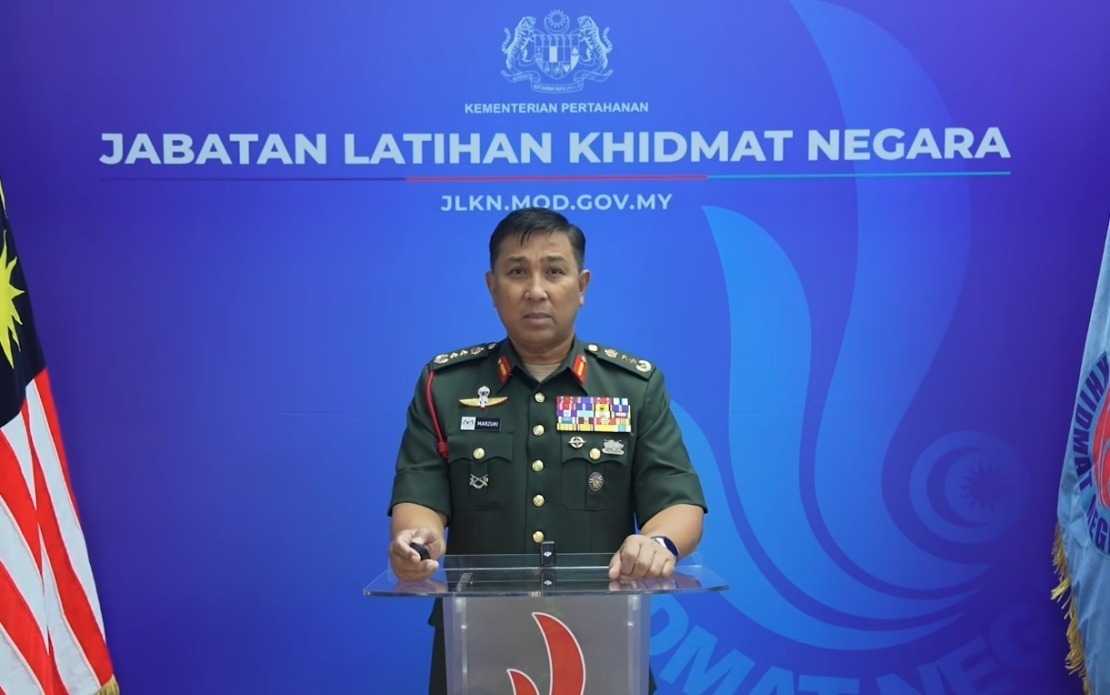
The National Service Training Department (JLKN) has approved voting leave for 77 trainees enrolled in the PLKN 3.0 Series 3/2026 programme, enabling them to exercise their electoral rights during upcoming state elections in Johor and Negeri Sembilan without abandoning their training obligations. The decision reflects official commitment to safeguarding citizens' democratic participation while maintaining the integrity of the eight-week national education initiative. Major General Datuk Marzuki Mokhtar, who heads JLKN, announced that the arrangements preserve both trainees' fundamental voting rights and the programme's core objectives of fostering national unity and civic responsibility among young Malaysians.
Of the 77 eligible trainees, 31 are registered to vote in the Johor state election and have received permission to rejoin their camps the day following the poll. This staggered approach minimises disruption to training schedules whilst accommodating travel logistics. The 46 trainees participating in the Negeri Sembilan election on August 1 will receive a more extended break of two to three days, recognising the additional time required for those voting in that state to depart camp, cast their ballots, and return to their assigned training facilities.
The PLKN 3.0 Series 3/2026 cohort represents a significant intake, with 870 trainees confirmed for participation across three primary training locations. Camp 505 AW in Pekan, Pahang, will accommodate the largest contingent at 500 trainees, whilst Camp 515 AW in Kuala Lumpur will host 250 participants. A further 120 trainees have been assigned to Camp 504 AW Bukit Keteri in Perlis, spreading the national service experience across geographically diverse regions. The programme commenced on July 11 and will conclude on August 24, providing eight weeks of structured training in military discipline, civic education, and nation-building activities.
For Malaysian voters and their families, the PLKN voting leave arrangements carry particular significance during a period of heightened electoral activity across several states. Negeri Sembilan and Johor's elections represent important political moments where youth participation directly influences outcomes. The decision to grant leave acknowledges that denying trainees their voting rights would undermine democratic principles and create tension between individual civic duties and state-mandated training programmes. This approach aligns with international best practices in balancing mandatory national service with fundamental democratic freedoms.
The timing of these elections during the training period also reflects broader scheduling realities in Malaysia's electoral calendar. State governments frequently conduct elections within legislative windows, sometimes coinciding with other national activities. By proactively arranging leave provisions, JLKN has demonstrated administrative flexibility and respect for the dual obligations facing young citizens. This precedent may inform future handling of electoral periods overlapping with national service intakes, establishing clearer protocols for subsequent cohorts.
Beyond the immediate voting arrangements, JLKN has simultaneously reminded prospective trainees for the forthcoming PLKN 3.0 Series 4/2026 to monitor official departmental channels for selection and registration information. This includes individuals born in 2008 who represent the target demographic for upcoming intakes. The department has emphasised reliance on legitimate channels, cautioning potential applicants that JLKN does not engage external agents for recruitment, reflecting concerns about imposters or fraudulent intermediaries seeking to exploit interest in the national service programme.
The PLKN 3.0 initiative itself represents Malaysia's refreshed approach to mandatory national service, aimed at instilling shared values and national consciousness among young adults. The programme deliberately incorporates civic education components, making the trainees' electoral participation particularly meaningful. Allowing them to vote during Series 3/2026 sends a symbolic message that democratic engagement forms part of the national service ethos, rather than conflicting with it. This integration reinforces the government's position that patriotic duty and democratic responsibility are complementary rather than contradictory.
For state governments conducting elections during training periods, the PLKN voting leave approval establishes an important precedent regarding youth participation. Young voters aged 18 and above represent a crucial demographic often characterised by lower turnout rates. Removing barriers to voting during national service strengthens the legitimacy of electoral outcomes by ensuring broader participation. The relatively modest number of affected trainees—77 across two states—suggests that whilst this particular arrangement involves limited numbers, the principle it establishes carries broader implications for future elections.
Regional observers will note that Southeast Asian approaches to balancing mandatory national service with democratic rights vary significantly. Some nations prioritise absolute programme continuity, whilst others emphasise electoral participation. Malaysia's middle-ground approach reflects evolving social expectations that young citizens should simultaneously embrace national service responsibilities and exercise voting privileges. This model may interest neighbouring countries wrestling with similar policy tensions in their own national service and compulsory military training frameworks.
The administrative execution of these voting leave arrangements requires coordination between JLKN, election commissions, and camp commanders across multiple states. Successfully managing the departure and return of trainees demands logistical planning and clear communication to prevent disruption. The fact that JLKN proactively announced these arrangements weeks in advance demonstrates institutional capacity to anticipate and address such challenges methodically. This represents good governance practice that enhances public confidence in both the national service programme and electoral administration.
Looking ahead, the Series 4/2026 intake will likely be considered in relation to future electoral schedules. The precedent established by accommodating Series 3/2026 voters suggests JLKN will adopt similar policies when subsequent state elections occur during training periods. This normalisation of voting leave within national service contexts reflects demographic and civic realities that policymakers increasingly recognise as essential to sustainable democratic governance in Malaysia.

