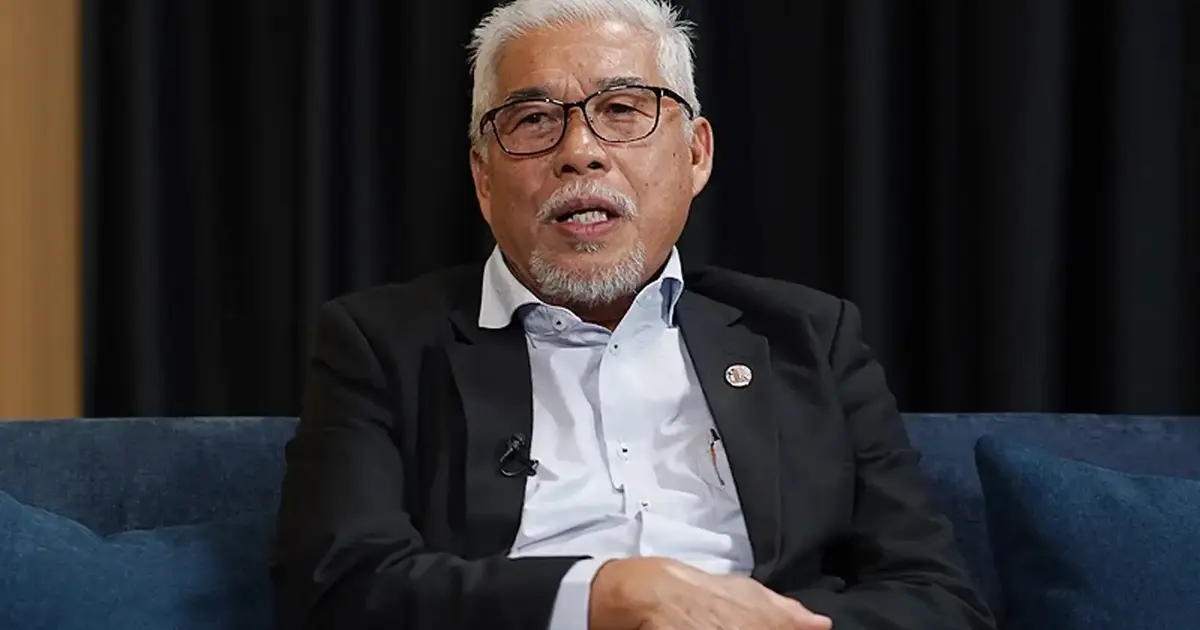
A senior PKR figure has publicly cautioned against accelerating Malaysia's electoral calendar, with Pasir Gudang MP Hassan Karim contending that the current administration should maintain its course through to late 2027 or early 2028 rather than risk an early return to the polls. His remarks inject a note of caution into ongoing speculation about the government's longevity and reflect internal deliberations within the ruling coalition about optimal timing for seeking a fresh electoral mandate.
Hassan Karim's intervention comes amid periodic discussion about when the next general election might be held, with various political voices advocating different timelines based on their calculations of advantage. The Pasir Gudang MP's position anchors his argument firmly on technocratic grounds, emphasizing that Malaysia's economic policy agenda requires extended implementation time to produce measurable improvements that would validate the government's record before voters.
The case for maintaining the status quo hinges on a pragmatic assessment of developmental cycles. Economic reforms, fiscal adjustments, and structural improvements typically demand years rather than months to manifest in ways voters can tangibly feel—whether through employment figures, living costs, business confidence, or infrastructure completion. Hassan Karim's logic suggests that cutting short this window would rob the government of opportunity to demonstrate competence and deliver on promises, potentially weakening its electoral position rather than strengthening it.
This reasoning reflects a broader appreciation within coalition circles that governance credibility depends substantially on visible achievement. If Malaysia's economic policies are intended to generate prosperity and stability, rushing to elections before such outcomes materialize risks presenting an incomplete narrative to the electorate. Voters presented with unfinished economic stories tend to punish administrations, particularly when cost-of-living pressures remain acute and structural challenges persist.
The Malaysian context makes this argument especially resonant. Households across the country have experienced sustained pressure on purchasing power, with energy prices, food costs, and transportation expenses remaining elevated despite government mitigation efforts. Allowing these initiatives—whether involving fuel subsidies, targeted cash transfers, skills development, or manufacturing competitiveness measures—adequate time to normalize conditions and expand opportunities would strengthen any electoral pitch considerably.
Moreover, Hassan Karim's timeline dovetails with the constitutional architecture governing Malaysia's electoral cycle. The current parliament can legally remain seated until 2027, and the government possesses clear numerical majority. This technical reality means no external pressure forces early elections, allowing leadership latitude to choreograph timing strategically rather than reactively.
The Pasir Gudang MP's intervention also signals confidence within PKR regarding coalition stability. By advocating patience, he implicitly expresses belief that the current political arrangement can remain cohesive through the target period. Coalition integrity concerns have periodically surfaced in Malaysian politics, with component parties occasionally threatening withdrawal or individual MPs defecting to opposition ranks. Counsel to maintain the current government through to 2028 tacitly assumes such instability risks can be managed.
Regionally, Malaysia's electoral timing carries implications beyond domestic politics. Southeast Asian governments often coordinate policy initiatives and development timelines, particularly within ASEAN frameworks and bilateral arrangements. Premature elections could disrupt continuity in regional economic partnerships, infrastructure projects, and diplomatic commitments. Extending governmental stability through to 2028 would allow major initiatives—including ASEAN presidencies, major infrastructure megaprojects, and trade negotiation completion—to proceed with institutional consistency.
Opposition voices may contest Hassan Karim's thesis, arguing that extended electoral cycles concentrate power excessively and reduce accountability pressures on ruling coalitions. Democratic theory emphasizes that regular electoral contests provide essential discipline, forcing governments to remain responsive and prevent complacency. From this perspective, deferring elections indefinitely until 2027 or 2028 allows administrations excessive latitude to drift from campaign commitments.
Yet Hassan Karim's positioning reflects a calculation that voters ultimately respond to outcomes. A government that delivers economic improvement, expands employment, controls inflation, and advances infrastructure development will garner electoral support regardless of cycle timing. Conversely, one that fails these tests faces punishment even after brief tenure. The optimal strategy, by this logic, involves ensuring adequate time to demonstrate competence rather than rushing before evidence accumulates.
The broader implications for Malaysian governance involve balancing electoral frequency against developmental continuity. Frequent electoral contests create political uncertainty that can deter investment and delay major decisions, as administrators focus on short-term political advantage rather than long-term structural improvements. Extended implementation windows enable strategic thinking and comprehensive reform, though they risk enabling misgovernance absent adequate transparency and parliamentary scrutiny.
Hassan Karim's comments also reflect factional positioning within PKR and the broader ruling coalition. By advocating governmental continuity, he aligns with establishment preferences while potentially distinguishing himself from colleagues who might prefer earlier elections for personal advancement or coalition recalibration purposes. Coalition politics frequently involve such maneuvering, with different voices advancing timelines serving their particular ambitions.
Ultimately, the decision about election timing will depend on factors beyond any single MP's public advocacy. Coalition dynamics, economic developments, opposition pressure, and international circumstances will all influence when leadership determines the optimal moment to seek fresh electoral endorsement. Hassan Karim's intervention, however, has clearly articulated one influential faction's perspective: that patience serves Malaysian interests better than precipitation, provided the government delivers visible results from its economic agenda.

