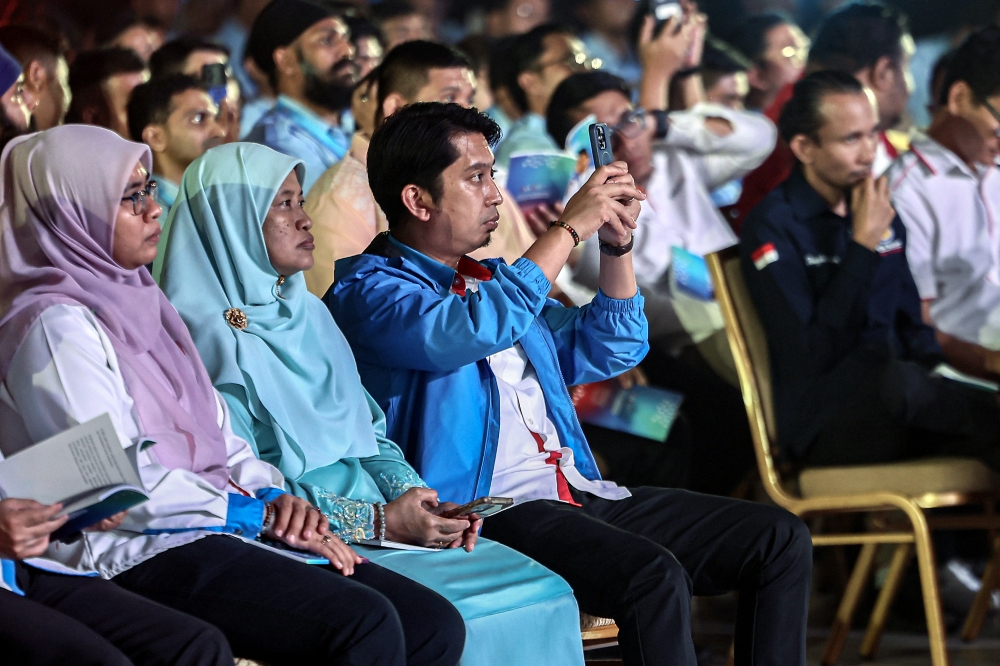
The Angkatan Muda Keadilan, the youth division of the People's Justice Party, has signalled a strategic shift in its political messaging by elevating economic insecurity and mental health concerns among young Malaysians to the forefront of its 2026 National Congress in Melaka. The emphasis reflects growing recognition within Malaysia's governing coalition that the country's youngest voters face distinct pressures that differ markedly from those addressed in traditional party platforms, requiring fresh policy interventions to maintain political relevance.
Youth unemployment and underemployment have emerged as critical concerns driving the party's internal deliberations. Across the region, Generation Z confronts a labour market increasingly fragmented by technological disruption, gig economy expansion, and skills mismatches between educational outputs and employer demands. Malaysia's own statistics reveal persistent challenges in youth joblessness, particularly among degree holders competing for positions that previously required secondary qualifications. By prioritising employment pathway motions at the congress, PKR's youth wing acknowledges that theoretical political promises hold diminishing currency with voters preoccupied by immediate livelihood questions.
Parallel to economic anxieties, the congress agenda reflects mounting alarm about the psychological toll of social media and digital connectivity. The phenomenon of FOMO—fear of missing out—has become a documented feature of adolescent and young adult mental health challenges globally, manifesting in anxiety disorders, depressive episodes, and diminished self-worth among those constantly navigating curated digital identities. Malaysia's mental health services face considerable strain, with youth comprising a significant proportion of those seeking psychological support, yet institutional responses remain patchy. By incorporating digital wellbeing into party discourse, PKR signals acknowledgement of this silent crisis affecting its constituency.
The strategic timing of this youth-focused congress carries implications beyond internal party mechanics. Generation Z voters, many of whom came of age during periods of political turbulence and institutional uncertainty in Malaysia, demonstrate notably different electoral behaviour compared to older cohorts. This demographic cohort prioritises substantive policy responses over rhetorical appeals, values authenticity in political messaging, and maintains capacity to mobilise rapidly through digital networks when motivated. Parties that successfully communicate genuine understanding of Gen Z preoccupations stand to build lasting voter loyalty; those perceived as performatively addressing youth issues risk accelerated disengagement.
The motions emerging from this congress will likely influence PKR's positioning ahead of subsequent electoral contests. Employment initiatives might encompass skills training programmes aligned with emerging industries, apprenticeship structures that bridge education and workplace entry, or incentive frameworks encouraging private sector youth recruitment. Digital wellbeing proposals could range from school-based mental health curricula to regulatory frameworks governing social media platform algorithms, though the latter touches contentious questions of free expression and state intervention. The specificity with which these motions translate into actionable commitments will determine their credibility among Gen Z constituencies.
Regionally, Malaysia's approach to youth political engagement occurs within a broader Southeast Asian context where demographic trends favour younger populations and generational divides shape electoral outcomes. Thailand, Indonesia, and the Philippines have all witnessed youth-led political movements demonstrating capacity to disrupt established party systems when mainstream politics fails to address their concerns. By proactively integrating Gen Z priorities into party messaging and policy frameworks, PKR attempts to preempt potential fragmentation of its youth base toward alternative political actors or disengagement altogether.
The confluence of employment and mental health concerns represents a sophisticated understanding of interconnected social pressures. Young people navigating difficult job markets experience heightened psychological distress; conversely, those struggling with anxiety and depression find job searching and workplace integration exponentially more challenging. Any comprehensive policy response must acknowledge these interdependencies rather than treating them as separate silos. Whether PKR's internal party process translates this insight into coherent, integrated policy remains to be demonstrated.
The congress's generational focus also signals internal debate within PKR about its electoral strategy. Some party elements may view youth engagement as essential to broadening appeal beyond core constituencies; others might regard it as essential to party renewal and preventing ideological stagnation. These internal tensions, when productively channelled through formal congress processes, can generate innovative policy thinking. Conversely, if youth concerns become tokenistic gestures rather than catalysts for substantive party transformation, the exercise risks deepening cynicism among the demographic it aims to address.
Looking forward, the tangible outcomes of these motions will merit close scrutiny. Will PKR translate congress deliberations into legislative proposals, budgetary allocations, or programme implementations? Do party mechanisms exist to ensure that youth voices shape decision-making beyond the congress floor? How will competing pressures within the party—between youth activists, established leadership, and coalition partners—affect the ultimate policy agenda? The congress represents an opening; whether it becomes a lasting commitment to Gen Z political engagement or a temporary rallying cry depends on follow-through extending well beyond Melaka.

