PKR Youth has launched a concentrated drive to bolster its operational readiness for the impending Melaka state election, placing emphasis on reinforcing its ground-level organisation and streamlining community engagement activities across the state. Muhammad Kamil Abdul Munim, who leads the party's youth wing, outlined the party's strategic focus during remarks made after a regional youth engagement event in Kuala Kangsar, signalling that Melaka remains a priority battleground for the opposition coalition.
The youth wing received clear directives from senior party figures to elevate election preparations to a heightened state of alertness and coordination. Rather than operating in isolation, AMK has been tasked with ensuring that its campaign apparatus, volunteer networks, and community outreach initiatives function in tandem, creating a consolidated approach to contesting what many analysts expect to be a closely fought contest. This emphasis on integrated planning reflects lessons from previous electoral contests where ground-level coordination proved decisive in swinging marginal constituencies.
Muhammad Kamil stressed that the immediate focus centres on ensuring all electoral machinery operates at peak efficiency while maintaining comprehensive readiness across multiple fronts. The party recognises that successful campaigns require not merely candidate selection but also the cultivation of robust voter contact networks, effective messaging systems, and trained mobilisation teams capable of responding swiftly to developments on the ground. These preparations extend beyond the typical pre-election period, laying groundwork that activists hope will translate into improved performance compared to the party's 2021 showing.
Questioning about candidate nominations and seat allocations—matters that often generate internal party friction and coalition tensions—received a circumspect response. Muhammad Kamil indicated that such determinations remain subject to discussion within Pakatan Harapan's upper echelons, suggesting that coalition partners Amanah and DAP retain influence over seat distribution negotiations. This measured stance avoids premature commitments while keeping space for inter-coalition bargaining that typically characterises the pre-election period in Malaysian multiparty coalitions.
The Melaka state legislature's 15th term will conclude in December, triggering a constitutional obligation to hold fresh elections within specific timeframes. This approaching deadline concentrates minds across all political formations contesting the state, prompting intensified preparation schedules and resource allocation decisions. The fixed constitutional timeline removes uncertainty about polling dates, allowing parties to plan with greater precision than exists in contexts where election timing remains more fluid.
The previous 2021 Melaka contest yielded a fractured outcome that neither of the two major coalitions could claim as unambiguous victory. Pakatan Harapan secured five of the 28 state seats available—Kota Laksamana, Kesidang, Bandar Hilir, Bukit Katil and Ayer Keroh—while Barisan Nasional dominated with 21 seats and Perikatan Nasional claimed two. These results reinforced perceptions of Melaka as a Barisan stronghold, yet the presence of a fractious legislature subsequently raised questions about durability of different coalition arrangements. For PKR Youth, improving upon this baseline represents both a strategic objective and an implicit challenge given the state's historical voting patterns.
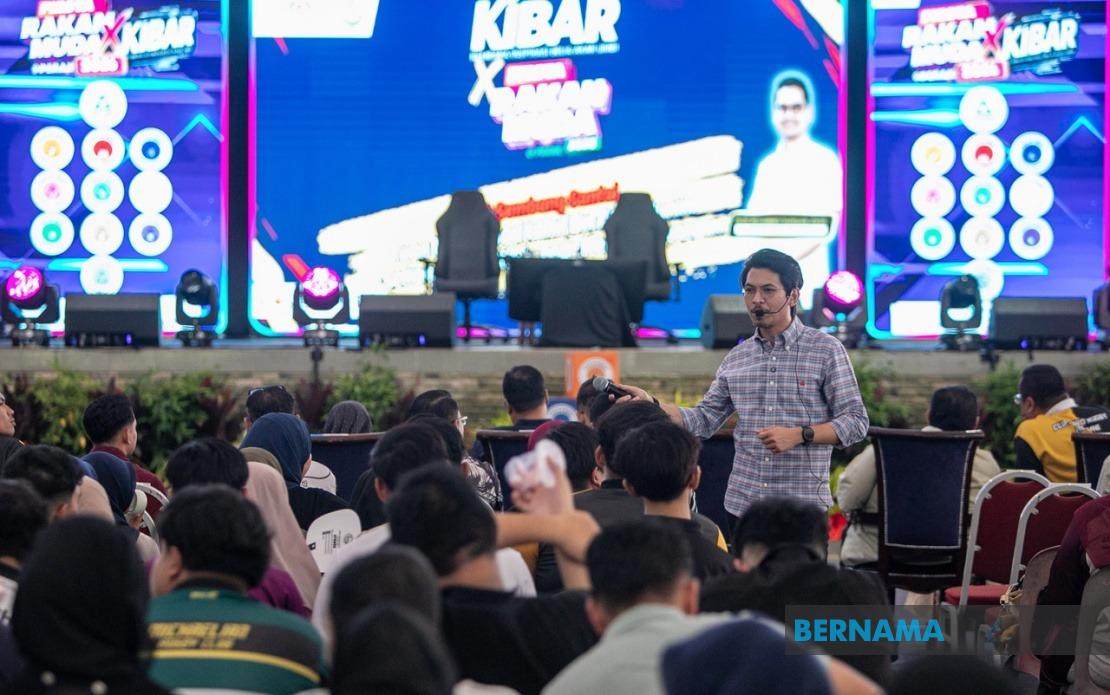
In parallel with electoral preparations, Muhammad Kamil highlighted the ongoing implementation of the Kembara Inspirasi Belia Akar Umbi (KIBAR) programme, a grassroots youth mobilisation initiative sponsored by the Youth and Sports Ministry. The Kuala Kangsar iteration attracted participation from over 600 young citizens aged fifteen to thirty, providing a platform for articulating concerns and engaging directly with political leadership. Such programmes serve multiple functions simultaneously—offering genuine opportunities for youth voice while simultaneously building grassroots networks that political parties subsequently leverage during election campaigns.
The KIBAR initiative represents an attempt to bridge the apparent distance between governmental institutions and young Malaysian citizens, creating structured spaces for dialogue and feedback solicitation. By hosting such events, parties demonstrate attentiveness to youth concerns regarding employment, education, social welfare and other bread-and-butter issues that resonate across the fifteen-to-thirty demographic. For PKR Youth specifically, these gatherings function as recruitment mechanisms and issue-identification exercises that inform campaign messaging and policy positioning.
Muhammad Kamil affirmed that the KIBAR programme will expand progressively across Malaysia, with trajectory focusing on enhanced grassroots youth participation nationwide. This scaling ambition reflects recognition that sustained electoral competitiveness requires institutional capacity for regular community engagement extending well beyond campaign seasons. By establishing routine contact mechanisms with youth constituencies, political organisations create habitual patterns of interaction and visibility that generate electoral advantages during actual polling periods.
The Melaka contest carries significance extending beyond state-level implications for Malaysian political observers. As a historically crucial swing state and a test case for coalition viability, outcomes will reverberate through thinking about 2026 federal electoral prospects. Strong performances in state-level contests provide momentum and resource advantages heading into national campaigns, making contemporary state elections increasingly important as preliminary indicators of broader political trajectories. PKR Youth's current intensification thus represents more than routine state election preparation; it constitutes part of a longer-term effort to establish sustainable competitive advantage across Malaysian electoral geography.

