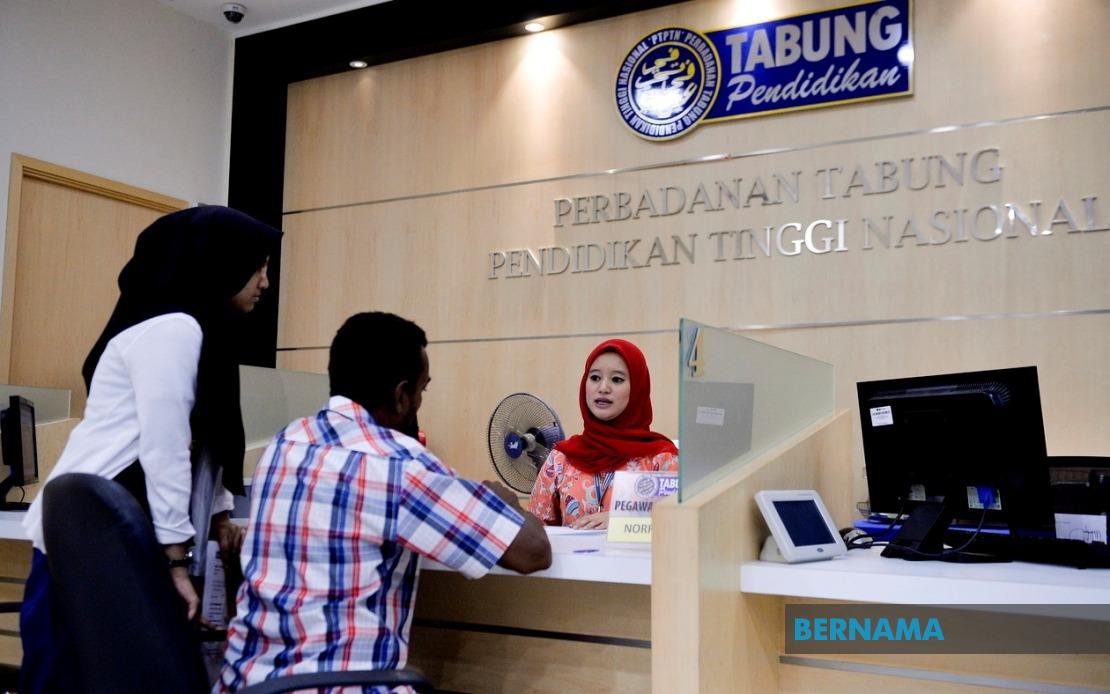
The Women's Wing of Parti Keadilan Rakyat has intensified calls for comprehensive reform of Malaysia's student loan system, demanding that the government immediately scrap a controversial 15 per cent debt collection agency fee while simultaneously allowing borrowers to renegotiate repayment terms directly with the National Higher Education Fund Corporation. PKR Wanita executive committee member Karen Kasturi articulated these demands in a statement on July 15, framing the proposed changes as essential relief for thousands of struggling borrowers whilst the government deliberates the broader question of whether PTPTN itself should continue to exist.
The timing of this intervention is significant, coming just days after Prime Minister Datuk Seri Anwar Ibrahim signalled openness to discussing potential abolition or fundamental restructuring of PTPTN during parliamentary question time. Anwar's remarks, triggered by concerns raised during the recent Johor state election campaign, have effectively reopened a long-simmering national debate about the sustainability and fairness of Malaysia's higher education financing architecture. Yet PKR Wanita's statement reveals a crucial strategic distinction: whilst welcoming the government's willingness to examine PTPTN's long-term future, the party's women's leadership insists that immediate, concrete measures are necessary to address the acute distress facing current borrowers who cannot wait for a protracted policy overhaul.
At the heart of the complaint lies a punitive mechanism that has ensnared tens of thousands of Malaysians. When borrowers default or fall behind on PTPTN repayments, their accounts are transferred to debt collection agencies. Those accounts often carry a mandatory lump-sum settlement requirement of approximately 50 per cent of the outstanding balance—a barrier in itself. Compounding this burden is an additional 15 per cent charge levied by the collection agency, transforming what was originally a manageable education loan into a financial nightmare. For borrowers already struggling with income volatility or underemployment, this fee structure represents not merely a technical adjustment but a decisive factor preventing them from ever resolving their debt situation.
Kasturi highlighted a systemic confusion that exacerbates borrower distress. When individuals approach PTPTN seeking to restructure their loans into more manageable instalments, they encounter contradictory guidance. Some are told to work directly with PTPTN; others are redirected to debt collection agencies without clear explanation or meaningful negotiation opportunities. This inconsistency has created a bureaucratic maze where borrowers attempting good-faith resolution are instead trapped in a process designed primarily to extract maximum payment rather than facilitate sustainable repayment. The absence of transparent pathways and genuine direct negotiation options suggests that current PTPTN protocols prioritise revenue collection over borrower rehabilitation.
The impact on lower and middle-income borrowers—those from the B40 and M40 income groups—deserves particular emphasis. Many of these individuals borrowed from PTPTN precisely because they lacked family resources to fund tertiary education otherwise. Having invested in human capital formation, they now find themselves unable to escape a debt trap where the fees and penalties accumulate faster than their ability to pay. This dynamic contradicts the original social contract underlying PTPTN's establishment as a vehicle for expanding educational opportunity. When the cost of default becomes prohibitive relative to what struggling graduates can earn, the system ceases to function as intended and instead perpetuates financial precarity across a generation.
The issue becomes more acute when considering EPF withdrawal provisions. Malaysian policymakers have recently expanded employees' ability to draw on their Employees Provident Fund savings for PTPTN repayment, positioning this as compassionate relief. Yet if intermediary charges—particularly the debt collection fee—consume a substantial portion of those EPF withdrawals before reducing the PTPTN principal, the intended relief effect is severely diminished. A borrower might sacrifice long-term retirement security only to discover that their EPF withdrawal barely dents their outstanding loan once fees are deducted.
Kasturi's framing of PTPTN borrowers as something beyond mere debtors carries implications beyond rhetoric. Conceptualising these individuals as Malaysians who invested in education and now seek financial stability positions PTPTN reform within a broader narrative about human capital development and social mobility. Current repayment mechanisms, by contrast, treat borrowers primarily as revenue sources to be maximised through collection intensity. This philosophical divergence between rehabilitation-focused reform and extraction-focused management underscores the stakes in the current policy debate.
The call for more flexible restructuring options reflects international best practice in student loan administration. Mature education finance systems typically feature graduated repayment schemes where instalments adjust to borrowers' actual income trajectories, income-contingent arrangements that tie payments to earnings capacity, and hardship provisions allowing temporary deferrals during periods of unemployment or serious financial distress. Malaysia's PTPTN structure, by contrast, relies on relatively rigid repayment schedules and aggressive default collection, a model increasingly recognised as counterproductive in achieving both full repayment and borrower well-being.
The Higher Education Ministry and government more broadly now face a dual decision. In the immediate term, they can implement the specific reforms PKR Wanita advocates: abolishing the 15 per cent debt collection fee and establishing direct loan restructuring channels outside the collection agency system. These changes require no legislative amendment and could be enacted through administrative adjustment, making implementation feasible within months rather than years. Such moves would provide demonstrable relief to existing borrowers whilst signalling government responsiveness to legitimate grievance.
Simultaneously, the broader PTPTN abolition or restructuring discussion can proceed on a separate, longer timeline. Whether Malaysia's future relies on a reformed PTPTN, means-tested grants, income-contingent loans, or hybrid models merits careful examination. However, deferring relief for current borrowers pending resolution of that larger question appears neither politically sustainable nor morally defensible. A government serious about PTPTN reform must prove this seriousness through immediate action addressing documented suffering before embarking on theoretical exercises about the system's future.
For Malaysian workers and their families, the outcome of this debate carries material significance. Education represents one of the few reliable pathways toward social advancement, yet PTPTN's current structure risks transforming that investment into intergenerational financial trauma. Borrowers who cannot escape default accumulate debt that impairs their ability to secure housing, vehicle financing, or other necessities of adult economic participation. This cascading damage extends beyond individual borrowers to affect household formation, consumption patterns, and broader economic dynamism.
Kasturi's intervention suggests that PKR recognises both the political opportunity and the policy substance within PTPTN reform. The issue resonates across Malaysia's electorate because it touches a genuine pain point for educated citizens across income levels. By positioning PKR Wanita as the voice advocating concrete relief rather than abstract discussion, the party has staked a claim on an issue likely to feature prominently in upcoming electoral contests. Whether Datuk Seri Dr Zambry Abd Kadir and the Higher Education Ministry respond with substantive action will test the government's commitment to the pro-worker positioning it has cultivated.

