The Negeri Semibilan branch of Parti Keadilan Rakyat (PKR) has formally submitted its candidate nominations to the party's central leadership ahead of the state election scheduled for August 1, marking a critical milestone in the Pakatan Harapan coalition's preparations for the contest. The move comes as the three-party alliance works to finalise its political lineup across the 36 available seats in the Negeri Semibilan state assembly.
According to Datuk Seri Aminuddin Harun, the state PKR chairman and incumbent Menteri Besar, the submitted list encompasses between three and five prospective names for each of the 16 seats the party will contest. This approach reflects contemporary coalition practices of maintaining flexibility while building internal consensus around final selections. The candidate pool deliberately spans diverse demographics, incorporating female contenders, younger political hopefuls, and veterans with established track records in governance and community engagement.
The broader Pakatan Harapan framework for Negeri Semibilan, finalised in mid-June, allocates the 36 seats among the three constituent parties according to their respective strengths and negotiated arrangements. PKR contests 16 seats, the Democratic Action Party (DAP) contests 11, and the National Amanah Icapan Malaysia (Amanah) contests the remaining nine. This distribution reflects both the coalition's internal political dynamics and strategic positioning in a state where demographic and electoral factors have historically favoured different party combinations.
Aminuddin expressed confidence that his coalition partners have likewise completed their candidate submission processes. DAP and Amanah, as fellow components of the Pakatan Harapan alliance, have submitted their respective candidate lists to their party headquarters for evaluation and approval. This synchronized approach allows the broader coalition machinery to coordinate announcement strategies and messaging, essential for presenting a unified front to voters and preventing internal contradictions that could undermine campaign momentum.
The timeline for formal candidate announcements remains under discussion among the three parties, with Aminuddin indicating the coalition is identifying a mutually convenient date for the public reveal. This staged approach—submission to party centres first, followed by coordinated public announcement—allows leadership to review selections, mediate any internal disputes, and ensure each nominee is adequately prepared for campaign activities. The coordination mechanism also signals to the electorate that Pakatan Harapan remains cohesive, a messaging priority in Malaysian state politics where coalition stability influences voter calculations.
The Election Commission has established a structured timeline for the electoral process that shapes the coalition's candidate finalisation schedule. Nomination day falls on July 18, providing candidates with the formal deadline to register their candidacy officially. Early voting occurs on July 28, accommodating essential workers, security personnel, and others unable to vote on the main polling date. This compressed schedule between candidate announcement and nomination day—potentially just days—compresses the campaign period and requires parties to have settled their selections well before public unveiling.
The submission and coordination process reflects broader challenges within Malaysian coalition politics. The need to balance representation across diverse constituencies, accommodate internal party factions seeking nominations, incorporate demographic diversity initiatives, and negotiate acceptable distributions between coalition partners creates complex logistical and political challenges. PKR's submission of multiple names per seat suggests the party received more expressions of interest than available positions, a common occurrence in competitive electoral contexts where nomination represents a pathway to state assembly membership.
For Malaysian political observers, the Negeri Semibilan contest carries significance beyond the state's borders. As a Pakatan Harapan-governed state, the August 1 election tests the coalition's ability to retain control and sustain the alliance mechanics that have governed several Malaysian states since the 2018 general election. Changes in electoral fortunes, demographic shifts, or internal coalition tensions could signal broader patterns affecting subsequent electoral contests, including future federal elections. The candidate selections being finalised now may influence Negeri Semibilan's political trajectory for the five-year legislative term beginning after August 1.
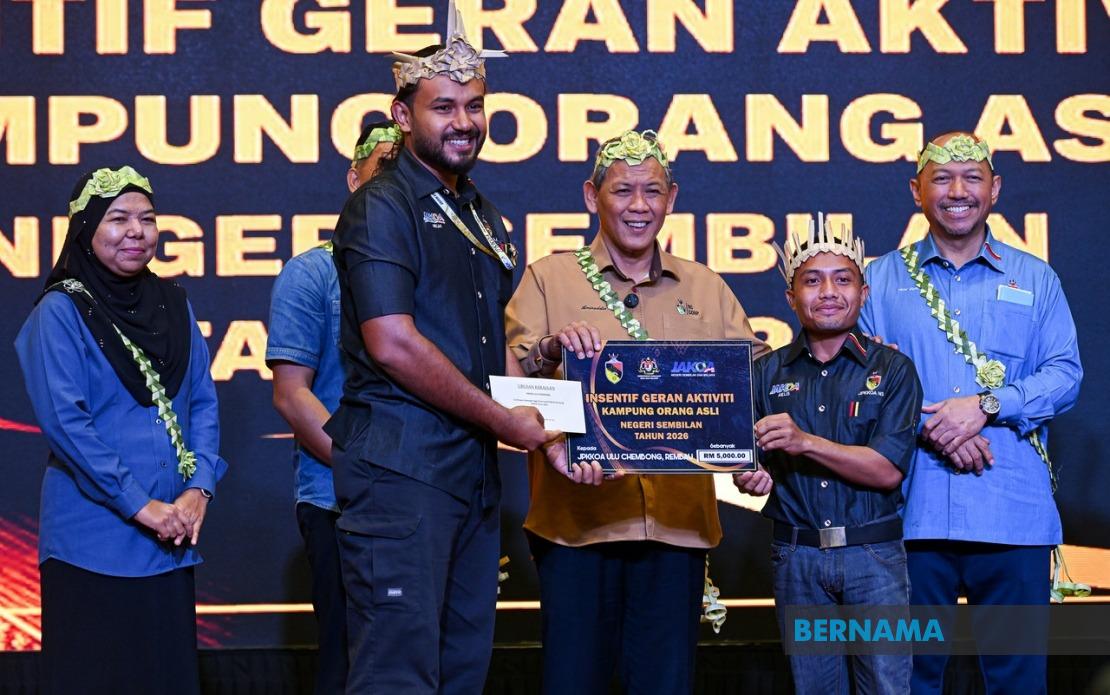
Aminuddin's presentation of the RM415,000 Orang Asli Village Activity Grant Incentive during the candidate announcement period underscores how Malaysian political parties integrate welfare disbursements with electoral cycles. While technically a regular administrative function, the timing of such announcements during candidate submission periods elevates their political salience. Indigenous communities in Negeri Semibilan, particularly in constituencies with significant Orang Asli populations, represent pivotal voter blocs that can determine election outcomes in closely contested seats.
The Pakatan Harapan coalition's coordination mechanisms in Negeri Semibilan reflect lessons learned from previous state elections where coalition management failures damaged electoral performance. By formalising submission processes, establishing clear timelines, and maintaining channels for inter-party consultation, the alliance aims to present a disciplined, organised image to voters. This stands in contrast to situations where candidate disputes, late nominations, or perceived unfair seat allocations have created fissures exploited by opposition parties.
For PKR specifically, the Negeri Semibilan selections carry intra-party implications. The party must balance representation across its various internal factions while maintaining electoral competitiveness. Younger candidates gaining nominations signal party renewal strategies, while experienced contenders provide stability. Women candidates fulfil contemporary political expectations around gender representation while potentially appealing to voter demographics increasingly responsive to gender-balanced leadership.
As the August 1 election approaches, attention will focus on whether Pakatan Harapan's carefully coordinated candidate approach translates into electoral success. The Negeri Semibilan contest, while a state-level election, contributes to the broader narrative around coalition governance in Malaysia. Public reception of the announced candidates, campaign effectiveness, and ultimately the election outcome will provide insights into coalition viability and voter sentiment across the crucial Selangor-neighbouring state. The candidate lists being finalised through this submission process represent thousands of hours of party strategising, community consultation, and internal negotiation condensed into formal rosters presented to central party leadership.

