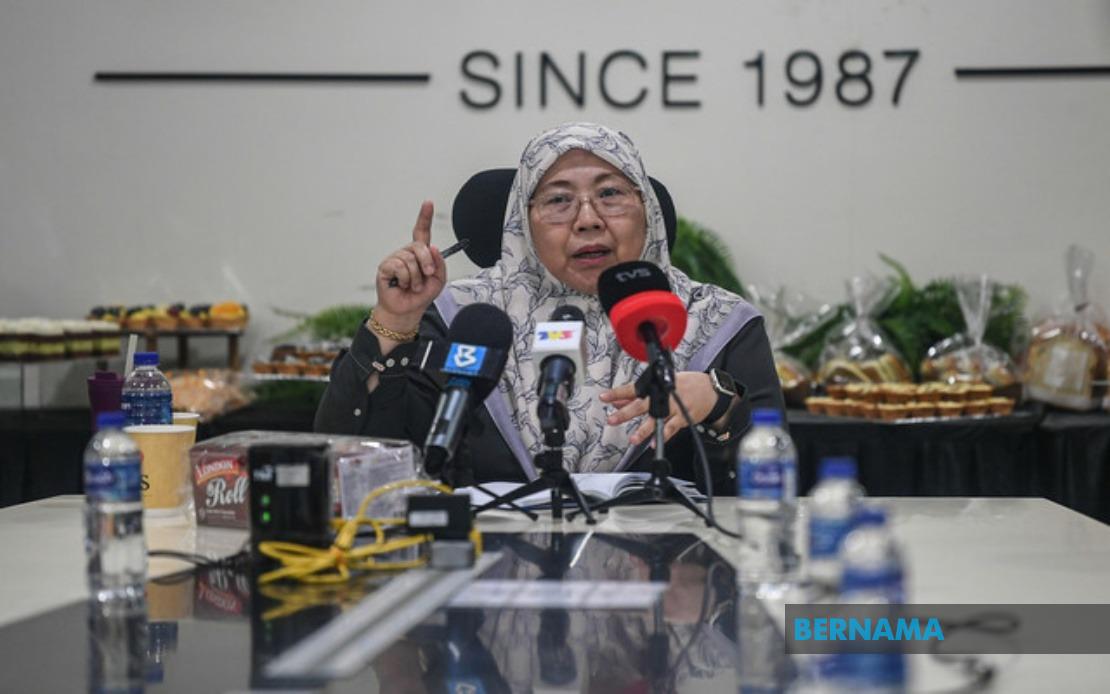
The recent exodus of PKR members to the Malaysian Indian Congress represents a troubling pattern of internal discontent within the ruling coalition, according to PKR's top administrator. Speaking in Johor Bahru on June 30, Datuk Dr Fuziah Salleh, the party's secretary-general, dismissed the departure as motivated primarily by disappointment over failed attempts to secure organizational positions rather than principled political disagreement. Her characterization underscores a persistent challenge facing Malaysian political parties: retaining members whose primary incentive for involvement centers on advancement opportunities rather than ideological commitment.
The defections gained prominence when M. Murugan, who previously held the vice-chairman position on Johor's PKR State Leadership Council, announced on June 28 that he and approximately 200 party members had transferred their allegiance to MIC, specifically joining the Iskandar Puteri division. This move represents a calculated political calculation by members seeking alternative platforms after encountering resistance within PKR's existing hierarchy. The scale of the departure—involving some 200 individuals—suggests systemic issues within the party's internal promotion mechanisms and member satisfaction protocols.
Fuziah's dismissal of the departing members' grievances carries implications beyond mere party management. When leadership directly attributes member attrition to position-seeking rather than engaging substantively with underlying organizational concerns, it risks reinforcing perceptions that PKR itself operates according to patronage rather than meritocratic principles. Her statement, delivered during a working visit to SDS Food Sdn Bhd in Skudai, reflects a particular interpretation of events that some observers may view as deflecting responsibility rather than addressing structural weaknesses in how the party allocates responsibilities and recognizes member contributions.
The timing of these departures proves significant given the broader political landscape in Johor. With the state election scheduled for July 11, featuring 172 candidates competing for 56 seats, the loss of members to rival parties carries immediate electoral consequences. The MIC, historically a component of Barisan Nasional, represents a substantially different political orientation from PKR's reform-focused positioning. Members choosing to join MIC may be signaling discomfort with PKR's direction or betting that the coalition alternative offers better prospects for their advancement.
Fuziah's comments regarding PAS president Tan Sri Abdul Hadi Awang's recent call for voters to reject Pakatan Harapan reveal deepening fissures within Malaysia's complex coalition politics. Hadi's statement, which appeared to signal potential cooperation revival between Barisan Nasional and PAS, presented Fuziah with an opportunity to reposition PKR's electoral narrative. Rather than treating the PAS move as an internal coalition challenge, she encouraged Johor voters to independently evaluate the political situation before casting ballots, implicitly suggesting that coalition partners might not be acting in coordinated fashion.
The analysis offered by Fuziah regarding Perikatan Nasional's strategy to attract Barisan Nasional supporters reveals deeper anxieties about coalition stability. She suggested that PN's approach of courting BN members could trigger internal contradictions within the opposition coalition, particularly following PAS's apparent repositioning. This dynamic reflects the fundamental instability characterizing Malaysian politics, where electoral calculations frequently override ideological consistency and coalition coherence remains perpetually fragile.
Fuziah's assertion that PN's strategy might ultimately benefit Pakatan Harapan appears somewhat optimistic given contemporary political developments. She predicted that internal tensions within PN would undermine the opposition coalition's electoral effectiveness, thereby creating openings for PH to consolidate support. However, this analysis assumes voter behavior follows rational calculations about coalition viability rather than responding to more immediate economic concerns, local grievances, or personality-driven preferences that dominate Malaysian electoral decision-making.
The broader pattern of member migration between political parties has become increasingly common across Malaysian politics. Rather than stable party identification, voters and members often display fluid allegiances responsive to perceived opportunities and perceived slights. PKR's experience with the Murugan-led exodus exemplifies this tendency, though the party's leadership frames the problem as affecting only those insufficiently committed to principled politics. This interpretation potentially misses opportunities for genuine organizational reform that might address legitimate concerns about career development and organizational transparency.
The MIC's role in attracting PKR members deserves examination within the context of Malaysian Indian community politics. The community's relationship with Pakatan Harapan has remained somewhat ambiguous, particularly regarding perceptions of adequate representation and policy attention. MIC's recruitment of PKR members may reflect successful positioning as a more responsive vehicle for Indian community interests, or alternatively, simply opportunistic poaching during a period of PKR internal friction. The 200-member defection, if sustained, would represent a meaningful erosion of PKR's organizational capacity in constituencies with significant Indian populations.
Looking toward the July 11 Johor election, these internal PKR divisions carry tangible implications for contest outcomes in specific constituencies. Any seat with relatively balanced multiracial demographics might prove particularly vulnerable if Indian voter concentration coincides with weakened PKR organization following the Murugan defections. Conversely, if Fuziah's characterization accurately reflects the departing members' motivations, then the ideological core of PKR support among reform-minded voters may remain comparatively intact.
The incident illuminates broader challenges facing Malaysian political parties in maintaining institutional coherence amid intense electoral competition and limited patronage resources. PKR's response—dismissing departures as mere position-seeking—may satisfy party loyalists but potentially misses diagnostic opportunities regarding what specific organizational reforms might enhance retention and member satisfaction. Malaysian political observers will watch whether PKR initiates substantive internal reforms or whether this episode represents merely one more cyclical episode in the region's perpetual coalition restructuring.

