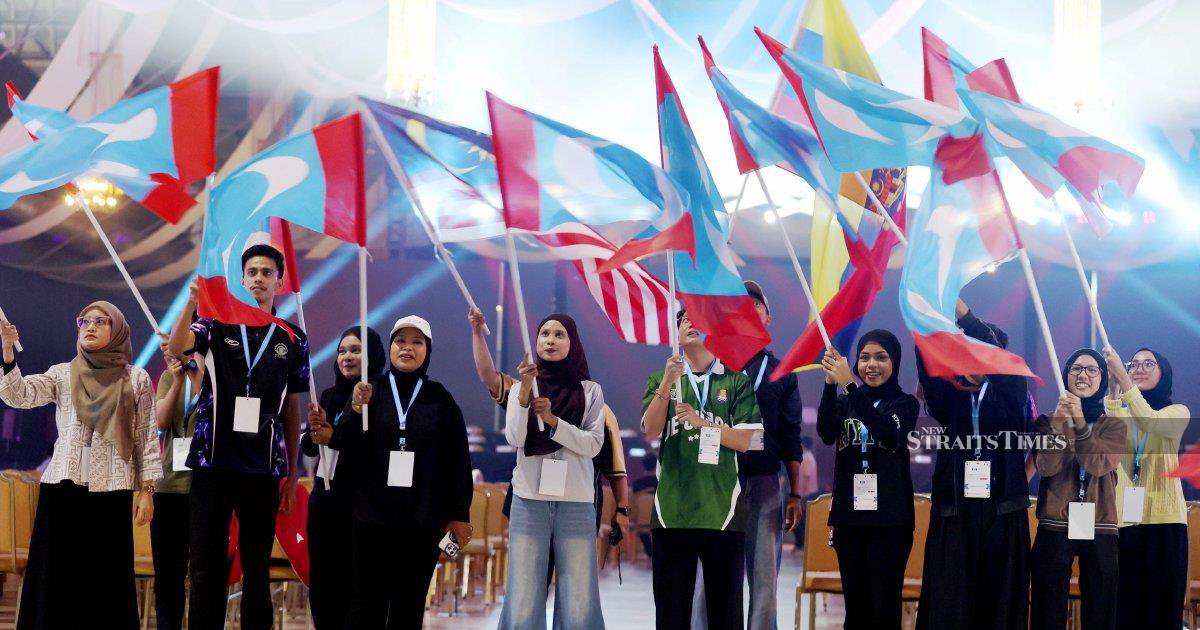
Hundreds of People's Justice Party (PKR) delegates are gathering at the Melaka International Trade Centre in Ayer Keroh today against a backdrop of significant organisational turbulence, following disappointing showings in recent state elections and escalating factional tensions that threaten party cohesion. The timing of this congress reflects a critical juncture for PKR, which has long positioned itself as a key component of Malaysia's reform movement but now faces questions about its electoral viability and internal management.
The party's performance in recent elections has raised concerns among supporters and analysts about PKR's ability to retain voter confidence and translate organisational strength into electoral success. The defeats in Johor and Negri Sembilan represent particularly stinging setbacks given PKR's historical presence in these states and the resources committed to the campaigns. These results have prompted soul-searching within party ranks about messaging, candidate selection, and ground-level organisation, with many members questioning whether the party's political machinery remains effective in contemporary Malaysian electoral conditions.
Beyond electoral considerations, PKR has been roiled by internal conflicts that have strained party unity and distracted leadership from pressing organisational matters. These disputes span ideological differences, disagreements over strategic direction, and competition for influence within party structures. Such internal friction typically hampers party effectiveness and creates an impression of disunity that resonates negatively with voters. The congress represents an opportunity for leadership to address these divisions directly, though the depth of disagreement suggests that superficial resolutions are unlikely.
The congress agenda is expected to feature discussions about revitalising electoral performance, restructuring party operations, and charting a clearer organisational vision. Leadership presentations may attempt to frame recent setbacks as temporary challenges from which the party can recover through renewed commitment and strategic adjustment. However, delegates attending today's sessions will likely demand substantive explanations for electoral underperformance and concrete proposals for improvement rather than generalised assurances.
PKR's position within Malaysia's broader political landscape adds urgency to these internal deliberations. As part of the government coalition, the party's electoral fortunes have implications for coalition stability and the government's parliamentary majority. Continued weakening of PKR's electoral base could force a recalibration of coalition dynamics and potentially create opportunities for opposition parties to gain ground in constituencies PKR currently holds. This elevates the stakes beyond internal party matters to encompass Malaysia's national political trajectory.
The party's leadership faces the difficult task of projecting confidence and vision while simultaneously acknowledging the legitimacy of member concerns about recent performance. Striking this balance requires acknowledging past missteps without appearing defensive, while simultaneously articulating a compelling forward-looking strategy that addresses both immediate electoral challenges and longer-term organisational sustainability. Whether today's congress succeeds in achieving this balance will significantly influence perceptions of PKR's future viability.
Regional observers have noted that PKR's difficulties reflect broader challenges facing political parties across Southeast Asia that emerged from reform movements. Sustaining internal democracy while maintaining organisational discipline, balancing ideological purity with electoral pragmatism, and managing diverse membership expectations has proven difficult for numerous such parties across the region. PKR's experience may offer instructive lessons about the complexities of translating grassroots political energy into sustained electoral and organisational success.
The Melaka congress also provides PKR with an opportunity to communicate directly with its membership base about priorities and concerns in ways that media reporting and political gossip often obscure. Engaging delegates substantively in discussions about party direction can rebuild confidence even amid difficult circumstances. Conversely, if delegates perceive that leadership is avoiding accountability or glossing over serious problems, the congress could deepen disillusionment and accelerate internal tensions.
Moving forward, PKR's trajectory will depend significantly on whether the party can address its current challenges comprehensively rather than superficially. This encompasses not merely winning specific elections but restoring organisational discipline, clarifying strategic vision, and rebuilding member confidence in party direction. The congress represents the formal venue for initiating this process, though the real work of institutional renewal will extend far beyond today's proceedings and require sustained commitment from leadership and membership alike across multiple dimensions of party operations.

