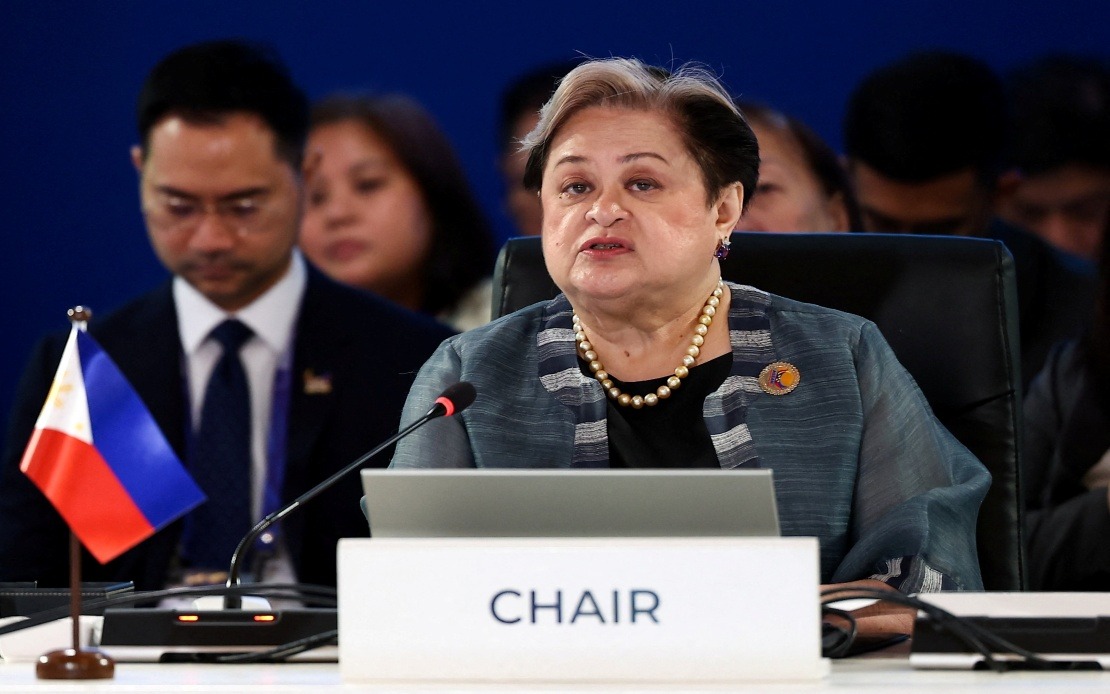
The Philippines has committed to leading a major humanitarian intervention in Myanmar before the end of 2026, marking a significant escalation in ASEAN's efforts to address the deepening crisis in the bloc's member state. Foreign Affairs Secretary Ma. Theresa Lazaro, who holds the position of special envoy under the current ASEAN chairmanship, announced the initiative following a diplomatic tour through Thailand where she held a series of intensive meetings with regional foreign ministers and various Myanmar stakeholders. The Department of Foreign Affairs disclosed that the proposed mission has already secured backing from all key parties involved, signalling unusual consensus on an issue that has otherwise divided the regional grouping.
Lazaro's visit to Thailand from July 12 to 13 represented a concentrated diplomatic effort to build momentum for ASEAN engagement with Myanmar. The sequence of meetings demonstrated the Philippines' determination to move beyond the frustrations that have characterised ASEAN's Myanmar diplomacy in recent years. Most notably, Lazaro convened an informal gathering of ASEAN foreign ministers alongside Myanmar Foreign Minister U Tin Maung Swe, an encounter that holds symbolic weight given the absence of such direct ministerial-level contact since 2021. This represents the first time in five years that the region's top diplomats have sat together to discuss Myanmar's trajectory, underscoring both the urgency of the situation and the diplomatic groundwork required to restore communication channels.
During her bilateral meeting with U Tin Maung Swe, the conversation centred on progress toward implementing the Five-Point Consensus, the diplomatic framework that ASEAN adopted in 2021 in response to Myanmar's military coup. The five-point plan remains the bloc's primary mechanism for pressing Myanmar's leadership toward dialogue and ceasefire arrangements, though implementation has been notoriously slow and contested. The foreign minister also outlined his government's 100-day peace initiative and efforts to tackle transnational criminal networks that have flourished in the ungoverned spaces created by Myanmar's ongoing conflict. These concrete proposals suggest that Myanmar's military-linked government is attempting to demonstrate commitment to regional norms, even as conflict intensifies on the ground.
The broader ASEAN ministerial discussion reinforced the consensus that the Five-Point Consensus remains the only viable diplomatic architecture for addressing Myanmar's instability. Foreign ministers stressed that while implementation has proven challenging, abandoning the framework would leave ASEAN without leverage or purpose in its most critical member state crisis. This reaffirmation is particularly important for Southeast Asian governments that have faced domestic pressure to take firmer stances on Myanmar, whether from civil society organisations, refugee-hosting communities, or neighbouring countries experiencing spillover effects from the conflict.
Lazaro's parallel engagement with Myanmar's ethnic armed organisations and the National Solidarity and Peacemaking Negotiation Committee revealed a second diplomatic track that complements discussions with the Myanmar government. These conversations focused on creating space for what the DFA termed an "inclusive national political dialogue," recognising that sustainable resolution requires buy-in from multiple actors rather than top-down negotiation alone. Both sets of interlocutors expressed openness to dialogue, though the DFA's characterisation of this as emphasis on "constructive dialogue and ensuring careful preparation" suggests cautious optimism rather than imminent breakthroughs. Building consensus among Myanmar's fractious political actors has proven extraordinarily difficult, with deep mistrust separating the military leadership, civilian opposition forces, and armed ethnic groups.
The humanitarian mission announced for the fourth quarter represents a tangible next step beyond diplomatic declarations. Details remain sparse, but the stated objective of "expanding access to areas in need of assistance" suggests an attempt to deliver aid directly to conflict-affected regions that have become increasingly inaccessible to international organisations. Myanmar's humanitarian situation has deteriorated sharply, with millions displaced by fighting and basic services collapsing in many areas. ASEAN's capacity to navigate Myanmar's complex conflict landscape and maintain presence in active combat zones remains untested, raising questions about how such a mission would operate without putting personnel at risk or appearing to legitimise one side of the conflict.
The timing and framing of this initiative carry implications for Malaysian and broader Southeast Asian interests. As a non-claimant state in Myanmar's conflict and a country with significant Rohingya refugee populations, Malaysia has incentives to support stabilisation efforts while remaining cautious about being drawn into Myanmar's internal politics. The humanitarian angle appeals to regional governments seeking to demonstrate concern for Myanmar's civilians without appearing to interfere in sovereignty. However, the success of any mission depends on securing genuine cooperation from all parties, including the military leadership in Naypyidaw, whose commitment to humanitarian access has been inconsistent.
ASEAN's Myanmar diplomacy reflects the bloc's broader challenge in managing member state crises without enforcement mechanisms or unified strategic vision. The Philippines' proactive leadership under its current chairmanship suggests determination to move beyond statements of concern and symbolic gestures. Yet the willingness of Myanmar's government to engage, combined with the openness expressed by opposition and ethnic groups, indicates that space for negotiation still exists—even if narrow. The humanitarian mission can succeed only if it operates transparently, maintains independence from any political faction, and delivers tangible benefits to affected populations.
For the region's stability, the success or failure of these initiatives will shape ASEAN's credibility and cohesion. If the mission advances access to humanitarian assistance and creates openings for dialogue, it demonstrates that the bloc can collectively influence one of its most troubled members. Conversely, if it becomes mired in the same disagreements that have plagued ASEAN's Myanmar policy, the regional grouping faces further erosion of its already-questioned relevance in addressing regional crises. The Philippines has positioned itself to lead; whether that leadership translates into tangible progress remains the critical question for Southeast Asia's future.

